
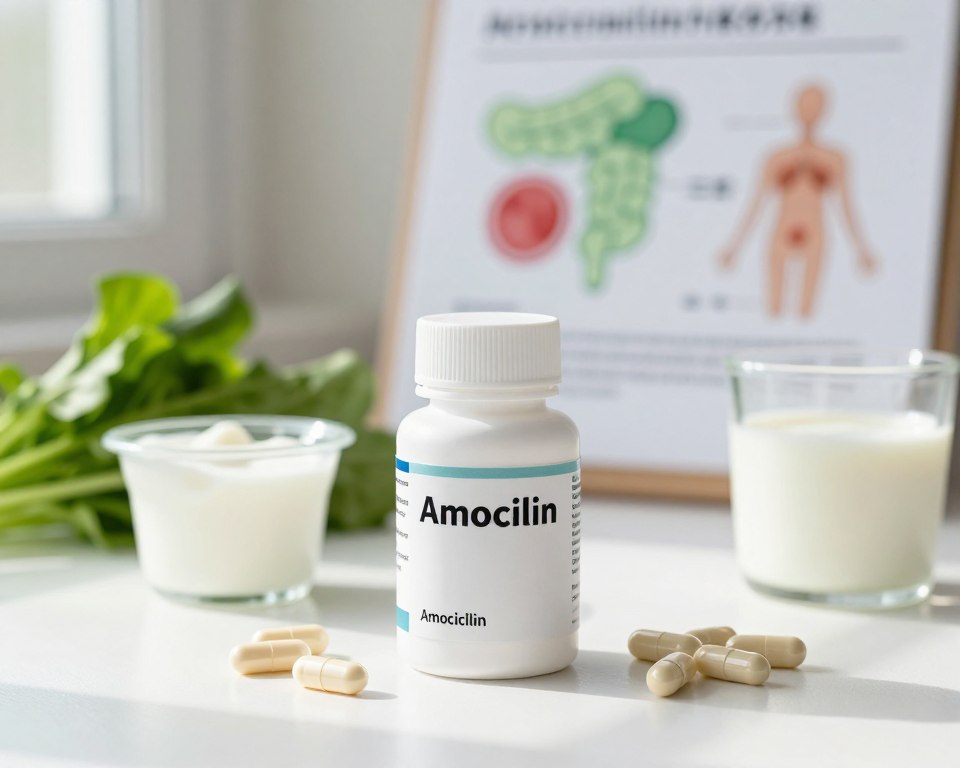
Recent studies show that about 30% of people taking broad-spectrum antibiotics get fungal infections. This happens because these drugs kill good bacteria too, making us more susceptible to bad ones.
It’s key to understand how Amoxicillin and Yeast Infections are connected. When good bacteria are gone, harmful fungi like Candida can grow out of control.
This guide offers ways to reduce these risks. By making smart choices and adjusting your lifestyle, you can keep your body’s balance while finishing your treatment.
Key Takeaways
- Antibiotics often disrupt the delicate balance of your body’s natural microbial defenses.
- Fungal overgrowth frequently occurs when beneficial bacteria are depleted during treatment.
- Strategic probiotic timing can help maintain a healthy internal environment.
- Lifestyle adjustments play a critical role in preventing secondary fungal issues.
- Informed patients are better equipped to manage their recovery process safely.
The Biological Reality of Amoxicillin and Yeast Infections
When you take antibiotics, you’re not just fighting bad bacteria. You’re also changing your body’s balance. These medicines are key for fighting bacterial infections. But they can also have side effects.
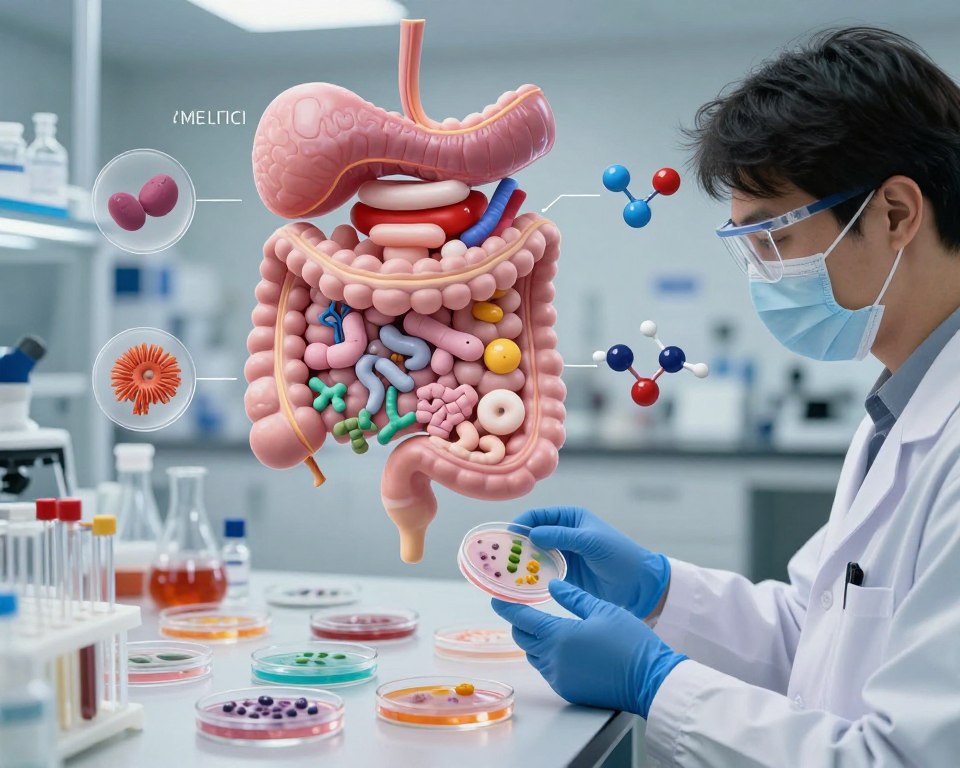
Understanding the Mechanism of Amoxicillin
Amoxicillin works by stopping bacteria from making their cell walls. This kills the bad bacteria that make you sick. But it doesn’t know the difference between good and bad bacteria in your body.
As a pharmacist, I see many patients get fungal infections like oral thrush after antibiotics. This happens because the good bacteria that protect us are gone. This lets fungi like Candida albicans grow. Knowing how Amoxicillin and thrush are linked helps patients stay alert during treatment.
How Broad-Spectrum Antibiotics Affect Commensal Flora
Broad-spectrum antibiotics target many types of bacteria. This is good for fighting infections. But it also changes the balance of good bacteria in your body. When these good bacteria are gone, it’s easier for fungi to grow.
The table below shows how antibiotics change your body’s balance:
| Microbial Factor | Healthy State | Post-Antibiotic State |
|---|---|---|
| Beneficial Bacteria | High Density | Significantly Reduced |
| Fungal Presence | Controlled/Dormant | Rapid Proliferation |
| Ecosystem Stability | Stable/Resilient | Dysbiosis/Vulnerable |
To manage Amoxicillin and thrush, you need to work on getting your body’s balance back. Knowing how antibiotics affect your body is key. It helps you take steps to keep your microbiome healthy.
Why Antibiotics Disrupt Your Microbiome Balance
When you take antibiotics, you’re not just fighting bad bacteria. You’re also changing your body’s internal balance. This can lead to antibiotics and yeast infections because the drugs harm good microbes too.
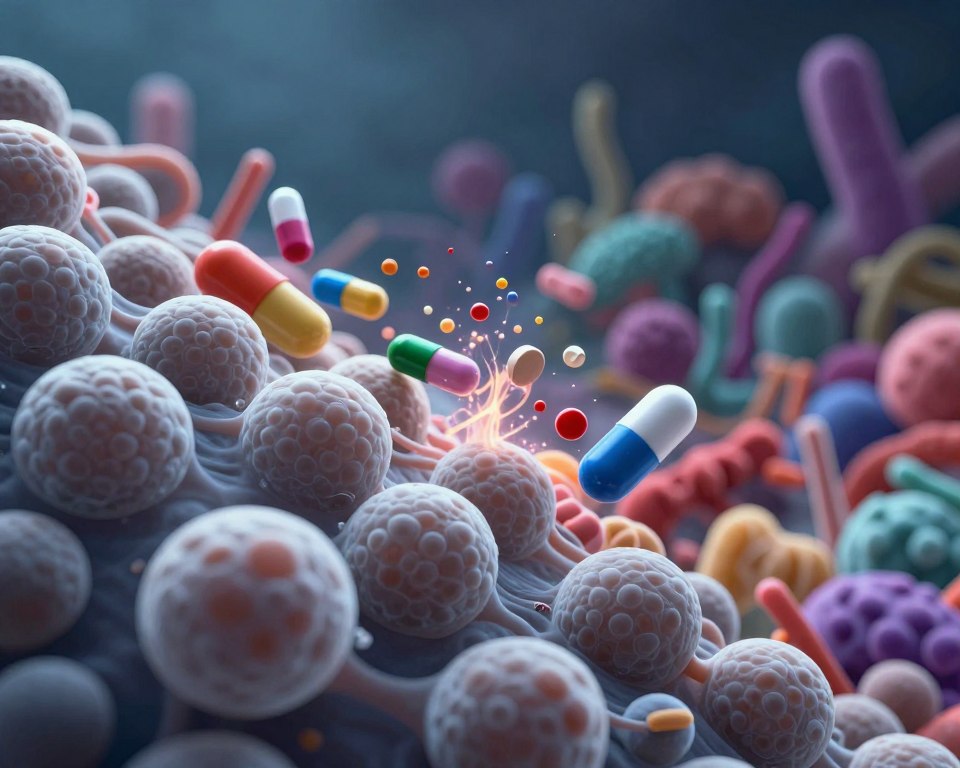
The Shift from Bacterial Dominance to Fungal Growth
Your body has many bacteria that fight for space and food. When antibiotics kill these bacteria, the space they leave is perfect for fungi like Candida to grow.
This change from bacteria to fungi is a known side effect of treatment. Without bacteria to control them, Candida overgrowth can happen. This leads to discomfort and health problems.
The Vulnerability of the Vaginal and Gut Ecosystems
The vaginal and gut areas are very sensitive to these changes. They need certain bacteria to stay acidic. Without these bacteria, the body’s defense against infections weakens.
It’s also harder for the body to get back to normal because of drug-resistant microbes. Keeping a balance of microbes is key to avoiding long-term health issues.
Here’s how antibiotics affect your body:
- Loss of beneficial flora: Important bacteria that keep fungi in check are lost.
- pH imbalance: The acidic environment in the gut and vagina is disrupted.
- Opportunistic colonization: Fungi grow more because there’s less competition.
- Systemic dysbiosis: The balance of your internal ecosystem is disrupted, leading to health problems.
Knowing these risks helps you prepare for the side effects of antibiotics and yeast infections. Taking care of your microbiome is important, even when you need medicine.
Identifying the Early Signs of Candida Overgrowth
When antibiotics upset your natural balance, your body sends out early signals. Candida spp. grow well when good bacteria are gone. It’s key to notice these signs early for quick yeast infection treatment.
Spotting these signs early helps you act fast. This makes recovery easier and more effective.
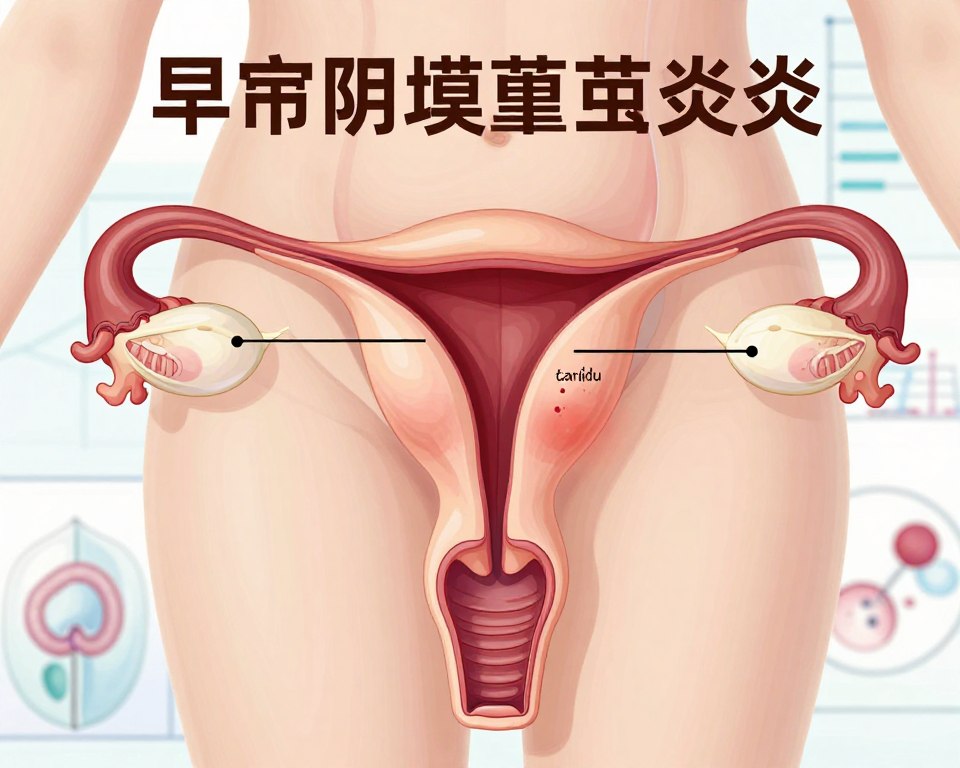
Recognizing Symptoms of Vaginal Candidiasis
A vaginal yeast infection shows up with clear, hard-to-miss symptoms. Everyone feels these symptoms in their own way. Yet, there are common signs that point to too much yeast.
- Persistent itching or irritation in the genital area.
- Thick, white, odorless discharge often described as having a cottage cheese consistency.
- Redness, swelling, or soreness of the vulva and vaginal tissues.
- Increased discomfort during sexual intercourse or urination.
Systemic Indicators of Gut Dysbiosis
An imbalance in your gut can show up in many ways. When your gut’s balance is off, it can affect your energy and digestion.
Signs that your gut needs help include:
- Frequent bloating or excessive gas after meals.
- Unexplained fatigue or a general feeling of being unwell.
- Changes in bowel regularity or consistency.
- Increased sugar cravings, which may indicate that Candida is influencing your dietary preferences.
Acting quickly on these signs is key to treating yeast infection well. By watching for these small changes, you can start fixing the problem before it gets worse.
The Pharmacist’s Perspective on Probiotic Timing
When you take amoxicillin clavulanic acid, how you time your probiotics is very important. In my practice, I stress that when you take probiotics is as key as what kind you take. Many patients ask for advice because they feel pain when they pee, which might mean they need to manage their gut bacteria carefully.

Why Concurrent Administration Matters
Probiotics and antibiotics should not be taken together. Antibiotics kill all bacteria, good and bad. This can wipe out the probiotics before they can help your gut.
When you take them together, the antibiotic will kill the probiotics. This makes the probiotics completely useless. To get the most from your recovery plan, you need to space them out.
The Two-Hour Rule for Antibiotic Separation
I suggest waiting two hours after antibiotics to take probiotics. This simple rule helps your recovery plan work better. It lets the antibiotic do its job while keeping your probiotics safe.
To make this work, try these steps:
- Set a recurring alarm on your phone to remind you of the two-hour gap between doses.
- Prioritize your antibiotic schedule as directed by your physician to maintain consistent blood levels.
- Take your probiotic at least two hours after your antibiotic dose to ensure the medication has moved through the upper digestive tract.
- Consistency is key; maintaining this separation throughout the entire course of your treatment provides the best protection for your microbiome.
Selecting the Right Strains for Post-Antibiotic Recovery
When antibiotics upset your natural balance, certain probiotic strains are key for recovery. Not all supplements are created equal. The right probiotic must survive and thrive in your body. Learning about how to restore your microbiome is essential for your health during treatment.
Lactobacillus Rhamnosus and Reuteri Benefits
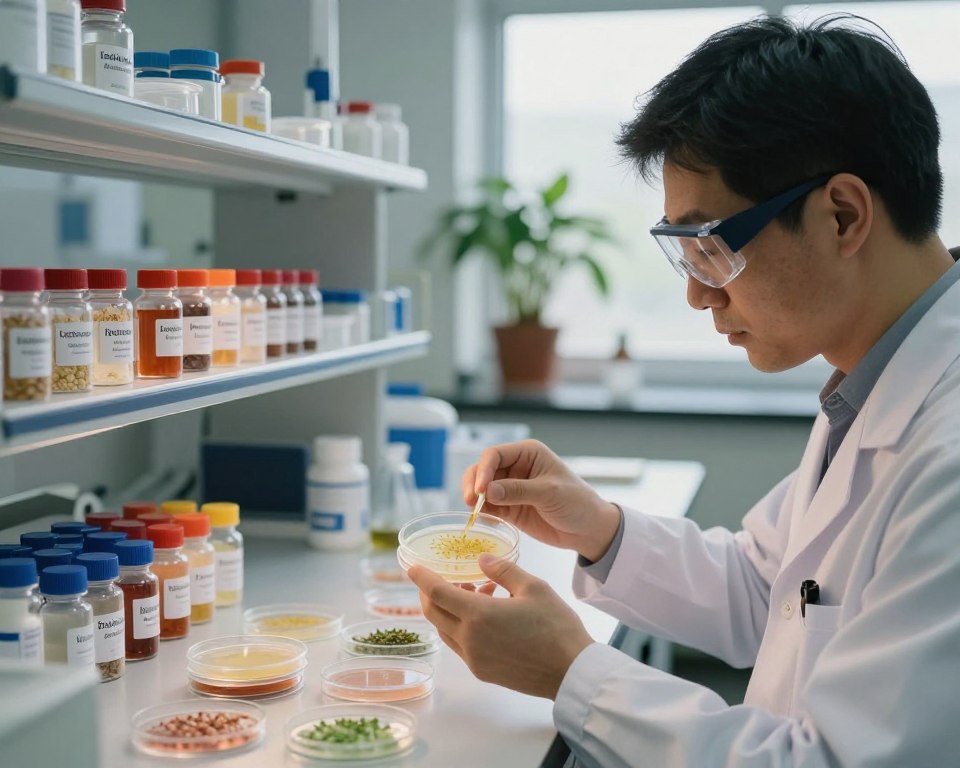
Lactobacillus rhamnosus and Lactobacillus reuteri are known for sticking to your gut and vaginal walls. This is important because it helps them fight off harmful germs like Candida.
By sticking around, these good bacteria keep the bad ones at bay. This is a key way they help keep your body balanced while you’re on antibiotics.
Saccharomyces Boulardii as a Protective Agent
Saccharomyces boulardii is a yeast that’s different from most probiotics. It’s not affected by most antibiotics, making it a strong protector.
This special trait lets S. boulardii keep working even when you’re on meds. It fights off bad germs and helps keep your gut healthy during tough times.
| Probiotic Strain | Primary Benefit | Mechanism of Action |
|---|---|---|
| L. rhamnosus | Mucosal Adherence | Competitive exclusion of pathogens |
| L. reuteri | Vaginal/Gut Support | Production of antimicrobial compounds |
| S. boulardii | Antibiotic Resistance | Survives antibiotic exposure to protect flora |
Dosage Strategies for Maximum Efficacy
Your doctor carefully sets your Amoxicillin dosage for a bacterial infection. But, taking probiotics needs a different plan. It’s a delicate process to balance your gut after antibiotics. Knowing how to adjust your probiotic intake helps your body fight off yeast overgrowth.
Determining Colony Forming Units (CFU) Requirements
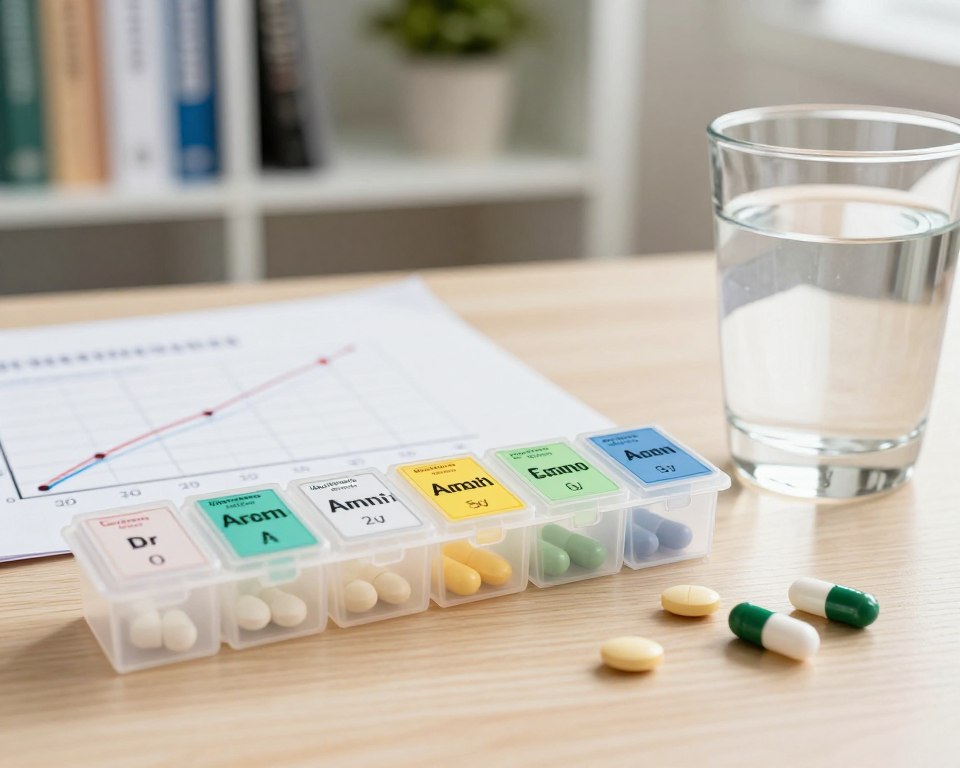
Colony Forming Units, or CFUs, count the live microbes in a dose. For healthy adults, 5 to 10 billion CFUs a day is usually enough. But, after a strong Amoxicillin dosage, you might need more to get your gut back in balance.
Studies show that 20 to 50 billion CFUs can be more effective during recovery. It’s key to pick products with many strains to repopulate your gut well. Make sure the product is fresh to get the most benefit.
| Recovery Phase | Recommended CFU Range | Primary Goal |
|---|---|---|
| Mild Disruption | 5 – 10 Billion | Maintenance |
| Moderate Disruption | 10 – 25 Billion | Restoration |
| Severe Disruption | 25 – 50+ Billion | Aggressive Repopulation |
Duration of Probiotic Supplementation Post-Antibiotic
Being consistent is key to rebuilding your gut. Many stop probiotics too soon after antibiotics. Keep taking them for at least four weeks after your last antibiotic dose.
This longer time lets good bacteria settle in your gut. It also helps fight off bad fungi like Candida. If you keep getting infections, your doctor might suggest longer use of probiotics. Watching how your body reacts helps you see if your plan is working.
Dietary Adjustments to Support Antifungal Efforts
Eating right is a key natural treatment for yeast infections. It helps cut off the food fungi need to grow. When you’re on antibiotics, your body’s balance can shift, making it easier for fungi to grow. This can cause severe stomach cramps.
Changing what you eat can help keep your body’s balance. This is important for fighting off yeast infections.
Reducing Sugar Intake to Starve Candida
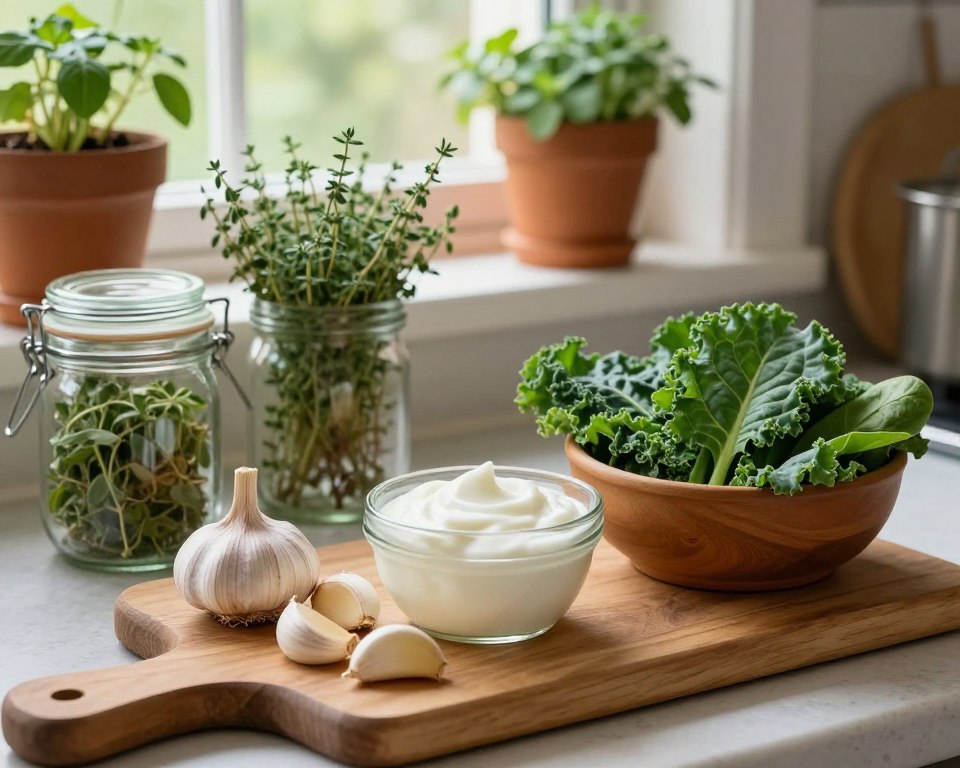
Candida loves simple carbs and sugars. Cutting down on these foods means you’re starving the yeast. Avoid processed snacks, sugary drinks, and fruits that raise blood sugar.
Choose foods high in complex carbs and fiber. These give you energy without raising blood sugar. This is a key part of fighting yeast infections naturally.
Incorporating Fermented Foods into the Daily Routine
It’s also important to add good bacteria to your gut. Fermented foods are full of beneficial microbes. They help keep Candida in check.
Adding these foods to your diet helps your immune system. It’s a way to balance out the effects of your medication.
Here are some foods to add to your diet:
| Food Category | Recommended Items | Primary Benefit |
|---|---|---|
| Fermented Dairy | Kefir, Plain Yogurt | High probiotic density |
| Fermented Vegetables | Sauerkraut, Kimchi | Supports gut diversity |
| Beverages | Kombucha (low sugar) | Restores microbial balance |
| Anti-Fungal Additions | Garlic, Coconut Oil | Inhibits fungal growth |
Common Pitfalls When Managing Yeast During Antibiotic Therapy
Using antibiotics can lead to problems if not done right. It’s important to manage antibiotics and yeast infections carefully. This ensures the infection is treated and your body’s balance is kept.
The Danger of Prematurely Stopping Antibiotics
Stopping antibiotics too soon is a big mistake. People often do this because they worry about getting a fungal infection. But, this can make future infections harder to fight.
Always finish your antibiotics as your doctor says. If you think you have a yeast infection, talk to your doctor first. Don’t stop your treatment on your own.
Over-Reliance on Topical Treatments Alone
Some people only use creams for yeast infections. These creams might help a bit, but they don’t fix the problem inside. They ignore the imbalance in your body.
For a real fix, you need to treat symptoms and help your body inside. The table below shows what not to do and what to do instead.
| Common Mistake | Potential Consequence | Recommended Action |
|---|---|---|
| Stopping antibiotics early | Antibiotic resistance | Complete full course |
| Topical-only approach | Recurrent dysbiosis | Systemic probiotic support |
| Ignoring dietary triggers | Candida proliferation | Reduce refined sugars |
| Delayed probiotic use | Microbiome depletion | Start probiotics early |
When Natural Remedies Are Not Enough
Knowing when to stop using home remedies and seek medical help is key. Many yeast infection remedies help with mild cases, but they can’t solve all problems. It’s important to know when to ask for professional help.
Recognizing When to Seek Clinical Intervention
If your symptoms don’t get better, see a doctor. Red flags include frequent infections, severe pain, or symptoms that last too long. Remember, D-mannose helps with some infections but not all.
Seek help right away if you have fever, chills, or unusual discharge. These could mean a serious infection needing strong medicine. Using yeast infection remedies for serious issues can slow down your healing.
The Risks of Untreated Recurrent Infections
Ignoring symptoms can harm your health in the long run. Untreated infections can cause chronic inflammation in your vagina or gut. This makes you more likely to get worse health problems.
Not treating the cause of frequent infections can upset your body’s balance. Working with a doctor helps you get the right treatment. Proactive clinical intervention is the best way to avoid lasting damage and fix your body’s balance.
The Role of Lifestyle Factors in Preventing Recurrence
Lowering your risk of a vaginal yeast infection is possible with daily habits. Medication fights the fungus, but prevention needs a holistic approach. Small, consistent changes keep your body’s ecosystem strong.
Hygiene Practices and Clothing Choices
Your environment affects fungal growth. Breathable fabrics like cotton are key because they let moisture escape. Synthetic materials trap moisture, helping yeast grow.
Gentle hygiene is also vital. Avoid harsh soaps or scented products in sensitive areas. Keeping the area dry and clean is a simple yet effective strategy to prevent vaginal yeast infections.
Stress Management and Immune System Support
Chronic stress weakens your immune system, making you more susceptible to infections. Managing stress through mindfulness, sleep, and exercise strengthens your defenses.
Monitoring your overall health is also important. Systemic issues can show up in unexpected ways, like side effects affecting your oral or gut microbiome. By focusing on your mental and physical health, you create a hostile environment for fungi. A proactive lifestyle is your best defense against recurring vaginal yeast infections.
Navigating Possible Drug Interactions
Adding new supplements to your routine needs careful thought, more so if you’re on Amoxicillin. Probiotics are good for your gut, but they’re not safe for everyone. Knowing how they work with your body is key to staying healthy while you recover.
Probiotics and Immunocompromised Patients
People with weak immune systems should be very careful with probiotics. The live bacteria in these products can sometimes cause problems instead of helping. Clinical caution is essential to avoid making things worse.
“The safety of any therapeutic intervention depends entirely on the patient’s unique physiological profile and current medical status.”
Consulting Your Pharmacist Before Supplementing
Talking to your pharmacist before starting new supplements is a must. They can tell you how your Amoxicillin side effects might change with new compounds. They know how to spot problems that could mess up your treatment or cause health issues.
Always get advice from a professional when dealing with complex meds. Your doctor or pharmacist can guide you on the best time and type of probiotic for you. Proactive communication is the best way to avoid problems and help your recovery go smoothly.
Evidence-Based Myths Regarding Candida Treatment
It’s key to know the difference between real health advice and marketing myths. When you’re recovering from antibiotics, like those in our amoxicillin guide, you might hear many health claims. People often suggest quick fixes that aren’t backed by science.
Debunking Unproven Detox Protocols
The internet is full of detox plans and cleanses that promise to “starve” Candida. These plans often require very strict diets without strong scientific support. They can be hard on your body and might take away important nutrients for healing.
There’s no solid evidence that short-term cleanses can fix your gut health. Instead, focus on eating well for the long term. True recovery takes time, not a quick fix.
Clarifying the Limitations of Homeopathic Remedies
Some people look for natural yeast infection treatments in homeopathic products. But, these products often don’t have the scientific proof needed to show they work. It’s important to know that homeopathy works differently than modern medicine.
For active infections, relying only on untested remedies can cause delays in getting the right care. Always choose treatments backed by peer-reviewed clinical evidence. The table below shows the difference between myths and real treatments for yeast infections.
| Approach | Scientific Status | Clinical Recommendation |
|---|---|---|
| Restrictive Detox Cleanses | Unproven/Potentially Harmful | Avoid; focus on balanced nutrition |
| Homeopathic Dilutions | Lack Clinical Evidence | Consult a physician for active symptoms |
| Probiotic Supplementation | Evidence-Supported | Use specific, high-quality strains |
| Medical Antifungals | Clinically Proven | Use as directed by a healthcare provider |
Medical Review and Professional Standards
We start with a detailed review by experts to ensure accuracy. We think health info should be based on solid evidence for your benefit.
We follow a strict editorial policy for all content. This makes sure you get reliable and up-to-date advice.
The Importance of Peer-Reviewed Clinical Profiles
A licensed Master Pharmacist wrote this article for technical accuracy. Then, a second Master Pharmacist reviewed it for pharmacological correctness.
An actively practicing physician also reviewed it independently. This rigorous verification process connects complex data to everyday use.
Disclaimer Regarding Personalized Medical Advice
The content here is for general info only. It aims to enhance your knowledge, not replace your healthcare team’s advice.
This info can’t take the place of personal medical advice or treatment plans. Always consult your doctor before changing any medication.
Your health needs are unique. Only a professional with your medical history can give you the care you need. Use this info to start conversations with your healthcare providers.
Image Disclosure and Educational Integrity
We value transparency about the source and use of all images on WhatIsThisMed.com. Our mission is to offer clear, useful resources while upholding the highest educational standards for our readers.
Visual aids are key in health education, making complex biological ideas easier to understand. We aim to help you grasp health topics in a clear and informative way.
Transparency in AI-Generated Educational Content
Some images on our site might be AI-generated or digitally improved for learning and illustration. We think modern tech helps us create accurate visuals that might be hard to capture naturally.
These digital tools are selected with care to match the clinical info in our articles. We’re dedicated to keeping you in the loop about the content you see on our site.
Limitations of Digital Illustrations in Self-Diagnosis
Remember, these images are for educational support only. They should not replace a doctor’s visit or self-diagnosis.
Medical issues are complex and often need a doctor’s check-up or lab tests to confirm. If you’re feeling unwell, see a healthcare expert for a proper diagnosis and treatment plan.
Using digital images to guess your health can lead to misinterpretation. We suggest using our resources as a starting point for talking to your doctor or pharmacist.
Final Thoughts on Long-Term Gut Health
Long-term gut health isn’t about quick fixes. It’s about proactive maintenance of your gut. Think of digestive wellness as a key part of your health plan, not just a one-time thing.
Learning to support your microbiome helps you fight off future health issues. Regular care helps your body bounce back faster when you need medical help.
Building Resilience Against Future Antibiotic Cycles
Antibiotics can change your gut microbiome in lasting ways. This can affect your immune system and how you metabolize food. So, being ready is essential.
Having a plan before an infection strikes can protect you. Eat a varied diet and know what feels right for your gut. Resilience comes from being ready to support your gut when needed.
The Value of Proactive Microbiome Maintenance
Looking after your microbiome now helps keep your body balanced. This means eating foods high in fiber and watching how your body reacts to stress.
When you focus on gut health, you’re boosting your body’s defense. Consistency is key to keeping your gut strong against life’s challenges. Stay informed and make choices that support your long-term health.
Conclusion
Dealing with antibiotics and Candida overgrowth needs a careful plan. You can keep your body’s balance by using probiotics at the right time and eating right. This helps protect your internal world.
Being consistent is key to getting better for good. Using proven methods helps keep your gut healthy while you finish your meds. Making small changes every day can make a big difference in how strong you are.
Working with your healthcare team is important for your health. Talk to your pharmacist or doctor about these tips to make sure they’re right for you. Getting advice that fits your health needs helps keep you safe and balanced.
Looking after your microbiome is your best defense against future problems. By focusing on these habits, you create a space where good bacteria can grow, even when you’re dealing with tough health issues. Keep learning and listening to your body as you aim for lasting health.
FAQ
Why is there such a strong link between Amoxicillin and Yeast Infections?
A: Amoxicillin fights harmful bacteria but can harm good bacteria too. This imbalance lets Candida overgrowth happen, leading to vaginal yeast infection or oral issues.
What are the most common Amoxicillin side effects related to fungal growth?
Common side effects include Amoxicillin and thrush and vaginal itching or discharge. These happen because the antibiotic messes with the balance of bacteria in mucous membranes.
Can the Amoxicillin dosage I am prescribed increase my risk of a yeast infection?
Yes. Higher doses or longer treatments of Amoxicillin can lead to more imbalance. This increases the chance of getting a vaginal yeast infection.
What is the best timing for probiotics during yeast infection treatment?
Take probiotics two hours after your antibiotic. This lets the Amoxicillin work first, then the probiotics can help.
Are there effective natural treatment for yeast infections that I can use alongside antibiotics?
Natural treatments like Kefir or Saccharomyces boulardii can help. But for severe cases, you might need Diflucan (fluconazole).
Which yeast infection remedies are most effective for post-antibiotic recovery?
Effective remedies include probiotics, less sugar, and Lactobacillus reuteri. These help restore balance and fight antibiotics and yeast infections naturally.
When should I seek clinical intervention for Amoxicillin and Yeast Infections?
See a doctor if symptoms don’t go away, if you have a high fever, or if it comes back. While natural treatments help, some cases need professional help.