
Did you know nearly 500,000 cases of Clostridioides difficile infections happen in the U.S. every year? Many people take antibiotics without problems. But, these drugs can upset the balance of your gut’s good bacteria.
As a pharmacist, I see many patients worried about their stomach during treatment. The mix of Amoxicillin and Green Watery Diarrhea is a big warning sign. It means harmful bacteria might have taken over your gut, and you need to see a doctor right away.
It’s important to know when a side effect is just that, and when it’s a serious infection. We’ll look at how antibiotics affect your health and what signs mean you need to see a doctor.
Key Takeaways
- Antibiotics can kill good gut bacteria, letting bad bacteria grow.
- Clostridioides difficile is a serious infection that can happen after antibiotics.
- Long-lasting, loose stools need a doctor’s check to avoid serious problems.
- Not all stomach issues are minor; some are medical emergencies.
- Always talk to your doctor before stopping your meds or starting new ones.
The Microbiome Under Siege: How Antibiotics Alter Gut Health
Starting antibiotics changes your body’s inner world. These medicines fight off bad bacteria but also affect good ones. This is why many people experience Amoxicillin and digestive issues while taking it.
The Delicate Balance of Gut Flora
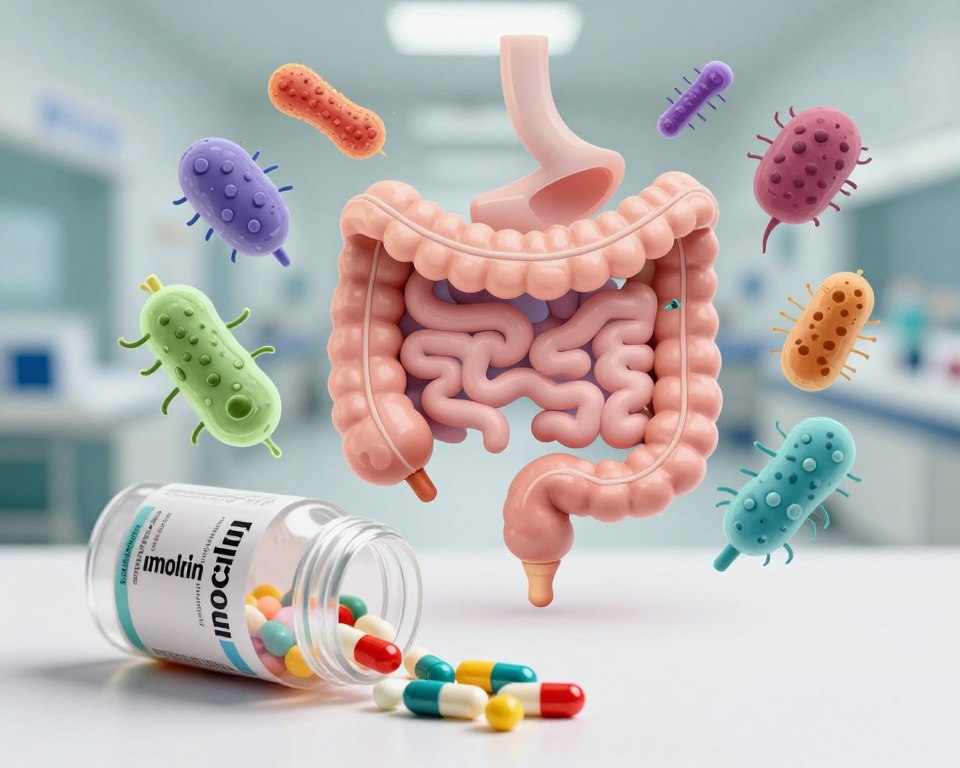
Your gut is home to trillions of tiny living things. These tiny creatures help your body work well. Beneficial flora keep your digestive system strong and healthy.
They do many important jobs, like:
- Breaking down tough carbs and fibers.
- Making vitamins like K and B12.
- Keeping bad bacteria from taking over.
- Helping your immune system grow and stay in check.
How Amoxicillin Disrupts Bacterial Diversity
Amoxicillin fights many types of bacteria, not just the bad ones. This means it can kill off good bacteria too. With fewer good bacteria, bad ones can grow more easily.
This imbalance can lead to problems like Clostridioides difficile taking over. This is why amoxicillin can cause severe stomach pain in some people. It shows how Amoxicillin and digestive issues are connected to losing your gut’s natural balance.
Understanding Amoxicillin and Green Watery Diarrhea
It’s important to know the difference between normal side effects and serious health issues. When you start antibiotics, your stomach might react. This is because of the change in bacteria. Amoxicillin and Green Watery Diarrhea are signs that need extra attention.
Defining Normal Versus Abnormal Stool Changes
When you take medicine, your stool might change a bit. These Amoxicillin side effects can make your stools softer or more frequent. But these changes should not bother you too much.
But, if your stools are very watery and happen often, it’s different. If they smell bad or are a different color, your gut might be upset. C. diff symptoms can show up during or after treatment, so watch out for them.
Why Color Shifts Occur During Antibiotic Therapy
Green stool often means your waste is moving too fast. Antibiotics can upset the balance of bacteria in your gut. This makes waste move quicker than usual.
This quick movement stops bile pigments from being broken down. Bile is green or yellow. So, if it’s not broken down, it stays green. This is why you might see green stools when you’re on Amoxicillin and Green Watery Diarrhea. Knowing about these Amoxicillin side effects helps you tell if it’s just a normal change or if you need to see a doctor.
The Mechanism of Antibiotic-Associated Diarrhea
Antibiotic-associated diarrhea happens when the colon’s balance is disrupted. This usually occurs when someone takes antibiotics like amoxicillin. The loss of good bacteria in the gut stops normal waste breakdown. This leads to changes in how the digestive system works.
Osmotic Effects of Medication
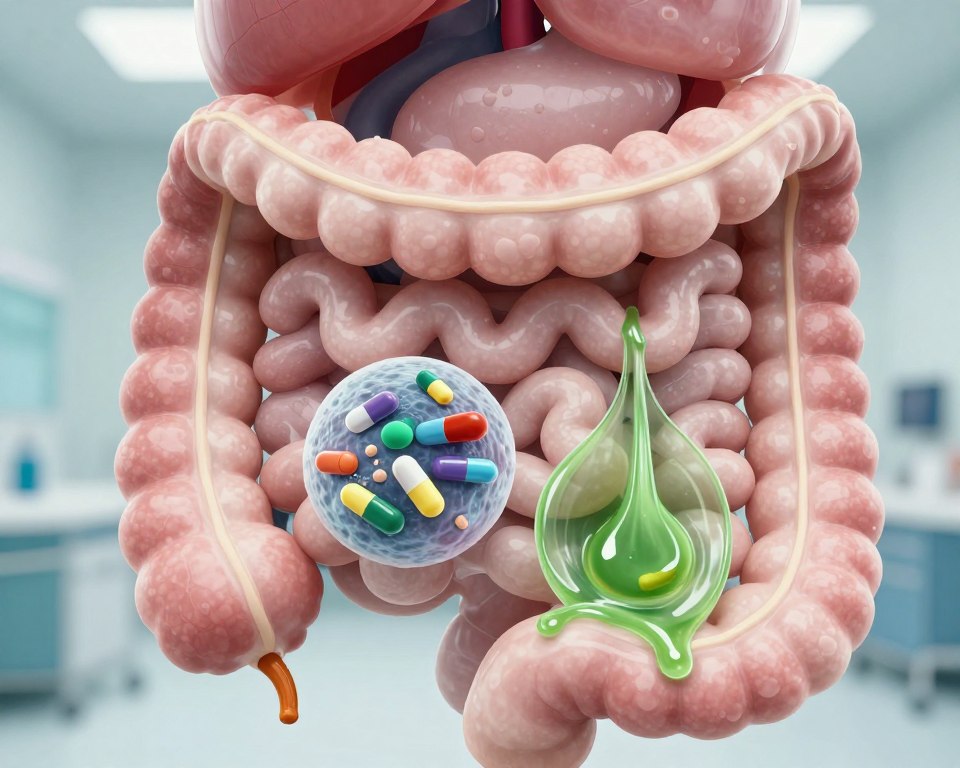
The main cause of loose stools is an imbalance in the body’s fluids. Antibiotics can leave sugars or compounds in the gut. This imbalance pulls water into the intestines, making stools watery and frequent.
People taking amoxicillin often see their stools become very watery. The colon can’t absorb water well, leading to more bowel movements. The body tries to get rid of the irritants, making the condition worse.
Changes in Bile Pigment Metabolism
Bile pigments also play a role. Normally, gut bacteria turn bile into stercobilin, making stool brown. But with antibiotic-associated diarrhea, this process is sped up.
So, bile stays green as it leaves the body. This is a sign of fast transit and is common with antibiotics. Below is a table showing the differences between healthy digestion and what happens with antibiotics.
| Process Feature | Healthy Digestion | Antibiotic-Affected State |
|---|---|---|
| Bacterial Activity | Stable and diverse | Depleted and imbalanced |
| Water Absorption | Efficient and regulated | Osmotic fluid retention |
| Bile Pigment | Converted to brown | Rapid transit (Green) |
| Transit Speed | Normal/Controlled | Accelerated/Urgent |
Clostridioides Difficile: The Hidden Danger in Your Gut
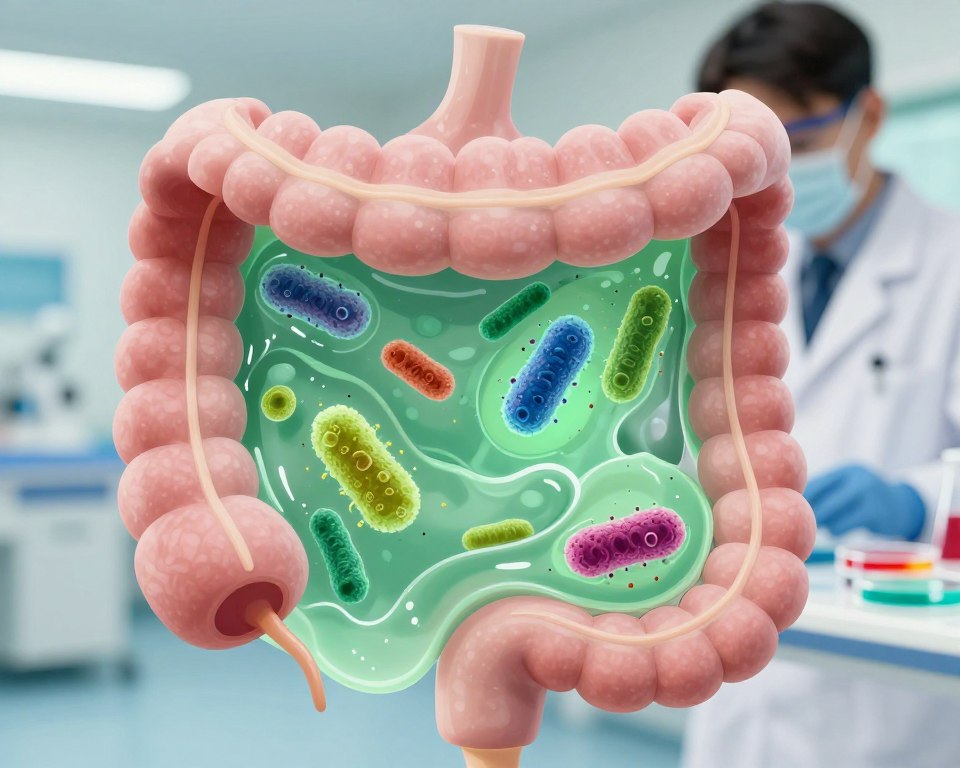
When the balance in your gut changes, Clostridioides difficile can become a big problem. This bacterium is very tough, often living in a dormant state that cleaning can’t reach. Its spores can stay alive on hands, surfaces, and clothes for a long time, making it a risk in hospitals and homes.
The Pathogenesis of C. Diff Infection
An infection starts when the good bacteria in your colon are reduced. When there are fewer good bacteria, the spores wake up and start growing. They then attach to the intestinal lining and multiply quickly.
The spores’ ability to survive is why they spread so easily. To stop them, follow these hygiene tips:
- Thorough hand washing with soap and water is better than alcohol-based sanitizers against spores.
- Disinfecting surfaces with bleach-based cleaners can kill spores on household items.
- Laundering clothing in hot water can stop bacteria from spreading between family members.
Toxin Production and Colonic Inflammation
Once active, the bacteria make strong toxins that harm the colon’s lining. These toxins cause inflammation, leading to painful plaques and ulcers. This disrupts the colon’s function, causing fluid loss and discomfort.
The body tries to fight the inflammation, but the toxins can cause a lot of damage. If not treated, the irritation can get worse, leading to serious health problems. It’s important to catch the early signs of inflammation to act quickly.
Why C. Diff Thrive After Amoxicillin Exposure
Amoxicillin is a broad-spectrum antibiotic that kills many bacteria, including the good ones in your gut. This clears the way for C. diff to grow. Without competition, the bacteria can take over the gut.
This change in the gut’s microbiome is why antibiotics increase the risk of infection. Without the gut’s natural defense, the body is more vulnerable to harmful invaders. Knowing this helps patients understand why changes in digestion during treatment are important to watch.
Why Green Stool Often Signals a Clinical Red Flag
Diet can change the color of your stool, but green stool while on amoxicillin is a different story. Seeing your stool turn green while on antibiotics can be shocking. It’s important to know if it’s just a color change or a sign of a bigger problem.
Rapid Transit Time and Bile Pigments
Bile from the liver helps with digestion. As it moves through your gut, it turns from green or yellow to brown. But if your gut moves too fast, this doesn’t happen.
This quick movement means bile doesn’t break down fully. So, you end up with green-tinted stool. Green stool and medication issues often come from this fast gut movement, a side effect of antibiotics.
The Correlation Between Green Stool and Bacterial Overgrowth
Green stool that’s also watery might mean a bigger issue. Antibiotics can kill good bacteria, letting bad ones grow. This can cause inflammation and change how your gut works.
If your bowel habits change a lot, see a doctor. Keep track of your symptoms to help your doctor figure out what’s going on:
- How often and how long you have diarrhea.
- If your stool smells unusual or sweet.
- If you have stomach pain or a fever.
- If you’ve been in the hospital or taken antibiotics before, as shown in this medical guide.
Tests might be needed to find out if you have a serious infection. By keeping an eye on these signs, you help your doctor know if it’s just a side effect or a bigger problem.
Distinguishing Between Common Side Effects and Severe Infection
It’s important to know when digestive changes are just side effects and when they are a sign of a serious problem. Many people have minor changes when they take antibiotics. But, it’s key to tell the difference between normal Amoxicillin side effects and signs of a serious infection.

Mild Digestive Upset Versus Systemic Distress
Most people have mild digestive issues when taking antibiotics. These can be soft stools or a bit of bloating that go away after treatment ends. But, if your symptoms last longer than a few days, they might not be just side effects.
Severe infection shows up with high fever, intense stomach pain, and constant, watery stools. These signs mean your gut’s balance is off. If you see these, get medical help right away, don’t wait for them to go away.
Identifying Dehydration and Electrolyte Imbalance
Diarrhea from Amoxicillin can cause fast fluid loss, which is dangerous. Spotting dehydration early is key to avoid electrolyte problems. Look out for a dry mouth, headaches, and less urine.
Dehydration can also show as confusion, dizziness, or fainting. These mean your body is struggling to stay balanced. If you see these, get medical help fast to avoid serious issues like sepsis or toxic megacolon.
| Symptom Category | Mild Side Effects | Severe Infection Signs |
|---|---|---|
| Stool Consistency | Soft or slightly loose | Profuse, watery, or bloody |
| Abdominal Pain | Mild bloating or gas | Intense, sharp cramping |
| Systemic Response | None | High fever and chills |
| Hydration Status | Normal | Dizziness and low urine output |
Risk Factors That Increase Susceptibility to C. Diff
Knowing the risk factors can help patients stay safe from gut problems. Some people can handle antibiotics without issues. But, certain conditions make it easier for harmful bacteria to grow. It’s important to know these risks to keep the digestive system safe.

Age-Related Vulnerabilities
Age is a big factor in getting Clostridioides difficile infection. People over 65 often have weaker immune systems. This makes it harder for the body to fight off bad bacteria.
- Reduced immune surveillance: Older people’s guts have less balance of good bacteria.
- Comorbidities: Older adults often have health problems that make recovery harder.
- Physiological changes: Changes in how the body processes medicine can happen with age.
Prior Hospitalizations and Antibiotic History
Hospitals and long-term care facilities are hotspots for C. diff spores. These spores are hard to get rid of from surfaces.
People who have taken antibiotics a lot are also at risk. Antibiotics can change the gut’s balance, making it hard for good bacteria to come back. If you’re on medication, knowing about food interactions, like can I drink milk with amoxicillin, is important for staying healthy.
Underlying Chronic Gastrointestinal Conditions
People with digestive problems face extra challenges with antibiotics. Conditions like IBD or Crohn’s disease can make the gut lining weak. This makes it easier for toxins to cause inflammation.
Also, taking PPIs for acid reflux can increase the risk. PPIs lower stomach acid, which can let spores survive and cause problems in the colon.
Diagnostic Procedures for Persistent Gastrointestinal Distress
When gastrointestinal distress from Amoxicillin lasts longer than expected, a detailed check is needed. Doctors look to see if it’s just a side effect or something more serious. Finding the cause is key to treating it right.
Stool Testing Protocols
A doctor might ask for a stool sample to check for Clostridioides difficile. They look for toxins made by these bacteria. This test is a big help in understanding the health of your gut.
It’s important to follow the exact steps given by your doctor to collect the sample. Quick tests can show if you have an infection fast. This is a big step in treating gastrointestinal distress from Amoxicillin.
Endoscopic Evaluation for Severe Cases
If stool tests don’t give clear answers or symptoms are very bad, a doctor might suggest an endoscopy. This lets them see the lining of your colon. They can spot inflammation or pseudomembranous colitis directly.
The table below shows the main ways doctors check for ongoing bowel problems:
| Diagnostic Method | Primary Purpose | Invasiveness | Clinical Utility |
|---|---|---|---|
| Stool Toxin Assay | Detect C. diff toxins | Non-invasive | Gold standard for infection |
| Colonoscopy | Visualize colon tissue | Invasive | Assess mucosal damage |
| Blood Chemistry Panel | Check electrolyte levels | Minimally invasive | Monitor systemic health |
The Role of Probiotics in Antibiotic Recovery
Getting your gut health back after antibiotics needs a careful plan. Medicines like amoxicillin are key for fighting infections. But, they can upset the balance of your gut’s ecosystem. This can cause side effects that affect your comfort and digestion.
Evidence-Based Use of Saccharomyces Boulardii
Studies show that certain probiotics can help protect your gut during and after antibiotics. Saccharomyces boulardii, a yeast probiotic, is very promising. It’s not affected by most antibiotics, so it can keep working even when you’re on your meds.
Research also shows that Saccharomyces boulardii and Lactobacillus can prevent bad bacteria from growing. When picking a probiotic, look for these things:
- Colony Forming Units (CFU): Choose products with a high CFU count for better potency.
- Strain Specificity: Make sure the label lists the exact strains used.
- Storage Requirements: Some good probiotics need to be kept cold to stay effective.
Timing Probiotic Intake Relative to Antibiotics
When you take your probiotics is as important as what you take. If you take a bacterial probiotic with your antibiotic, the antibiotic might kill the good bacteria. It’s best to take them at different times.
Always talk to your pharmacist about when to take your probiotics. A common plan is to take them two to three hours after your antibiotics. This lets the good bacteria reach your gut and help with recovery.
Dietary Adjustments During and After Amoxicillin Treatment
When you have gastrointestinal issues, what you eat is key to helping your body heal. Choosing the right foods is important for any watery stool treatment plan. It helps soothe your intestines.
Foods to Avoid During Active Diarrhea
When you have diarrhea, your gut needs a break. Stay away from foods high in fat, sugar, or hard fiber. These can make symptoms worse and slow down digestion.
Stick to a simple diet with easy-to-digest foods. Include crackers, potatoes, rice, oatmeal, and boiled veggies for energy without stress. Clear soups are great for keeping you hydrated and balanced.
Reintroducing Fiber and Fermented Foods
When your symptoms start to fade, you can slowly add more foods back in. This gradual approach helps avoid more digestive problems while your gut heals.
Start by adding back soluble fiber to firm up your stool. Also, try adding yogurt or kefir to your diet. These foods have live cultures that help restore good bacteria in your gut. This is a big part of watery stool treatment and getting better.
When to Seek Emergency Medical Attention
It’s important to know when a side effect has turned into a medical emergency. Many changes in digestion during antibiotic use are okay. But, some signs mean the colon is under too much stress. Prompt medical evaluation is key to avoid serious damage or complications.
Recognizing Signs of Pseudomembranous Colitis
Pseudomembranous colitis is a severe inflammation caused by bad bacteria. It shows as profuse, watery diarrhea that doesn’t get better with usual care. Watch for signs of severe dehydration like extreme confusion, constant drowsiness, or no urine at all.
These signs mean the body can’t keep fluids and electrolytes balanced. If you see these, get emergency care right away. Waiting can make things worse and might need serious medical help.
Fever and Severe Abdominal Pain Indicators
High fever and sharp, focused abdominal pain are big warning signs. They often mean the body is very sick or facing serious problems like toxic megacolon. A rapid heart rate or signs of shock also mean the body is failing to fight the infection.
When the colon gets this inflamed, surgery might be needed to keep the patient stable. Don’t ignore these signs. They mean the problem is more than just a side effect. Professional medical oversight is the only safe way to handle these severe symptoms.
The Dangers of Self-Medicating with Anti-Diarrheal Agents
When you take over-the-counter meds for Amoxicillin-induced diarrhea, it might not help. Many think stopping loose stools is the main goal. But, they often ignore the real cause of the problem.
Why Loperamide Can Be Counterproductive in C. Diff
Loperamide slows down your gut’s natural movement. It might make you go to the bathroom less often. But, if you have a Clostridioides difficile infection, it’s risky.
These drugs trap toxins in your colon. This can damage your gut lining. It might make inflammation worse and lead to serious problems. Suppressing your body’s natural response to toxins can hide how sick you really are.
The Importance of Allowing Natural Clearance
Diarrhea helps get rid of bad stuff in your gut. Letting your body clear itself is key to getting better from Amoxicillin-induced diarrhea. Stopping this natural process can make your illness last longer.
Always talk to a pharmacist or doctor before taking meds for diarrhea. They can tell if you need specific tests or just symptom relief. Choosing safety over quick relief is best for your gut health in the long run.
Long-Term Impacts of Recurrent Antibiotic Use
Using antibiotics too often can have lasting effects. It can upset the balance of good bacteria in your gut. This imbalance, called chronic dysbiosis, changes how your body works.
Chronic Dysbiosis and Immune Function
A healthy gut has many types of bacteria that help fight off infections. But, when these good bacteria are lost, your gut’s defense weakens. This makes you more likely to get sick again and have ongoing inflammation.
Your immune system talks to your gut bacteria to know what’s safe and what’s not. Without this conversation, your body might not fight off infections well. It’s important to get this balance right to stay healthy.
Strategies for Protecting Gut Integrity
To keep your gut healthy, you need a long-term plan. Try to avoid antibiotics unless really needed. Eating foods high in fiber and fermented can help your gut bacteria grow back.
If you keep getting very sick, there are more steps you can take. If you have Clostridioides difficile infection more than once, a fecal transplant might be suggested. This brings in healthy bacteria from someone else to fix your gut.
| Feature | Healthy Microbiome | Chronic Dysbiosis |
|---|---|---|
| Bacterial Diversity | High and stable | Low and unstable |
| Immune Response | Balanced and robust | Hyper-reactive or weak |
| Gut Barrier | Strong and intact | Permeable and inflamed |
| Recovery Poteential | Natural resilience | Requires clinical intervention |
Medical Review Statement and Professional Disclaimer
We take your safety seriously. That’s why we only let experts review our content. Every piece of information on our site is checked carefully to make sure it’s right and useful.
Scope of Pharmacist and Physician Oversight
A licensed Master Pharmacist wrote this article. They make sure the information is precise. Then, a second Master Pharmacist and a practicing doctor reviewed it to keep things fair.
Our team follows strict rules:
- Expert Authorship: Our writers have advanced degrees in pharmacy.
- Peer Review: A second pharmacist checks each piece for accuracy.
- Medical Validation: A doctor makes sure it matches current medical standards.
Limitations of General Informational Content
We aim to give you helpful advice, but remember, it’s for general use only. This info can’t replace what your doctor says or does. It’s not a substitute for your own medical care.
Every person’s health is different. What works for one might not work for another. Always talk to your doctor or a registered pharmacist before making any changes to your treatment. Use this guide to help you talk to your healthcare team about your needs.
Image Disclosure and Educational Limitations
We promise to be open about the images on WhatIsThisMed.com. We use pictures and videos to make hard topics easier to understand. This helps you learn more about health and science.
These images are meant to help you get the idea behind complex topics. But, it’s key to know their purpose and what they can and can’t do.
Nature of AI-Generated Educational Visuals
Some pictures on our site might be made by AI or edited for clarity. They aim to make hard medical ideas easier to see. But, they’re not real proof of anything.
These tools are great for learning, but they’re not clinical evidence. Think of them as extra help, not exact pictures of your health.
Avoiding Self-Diagnosis Through Illustrative Media
Remember, these images can’t take the place of a doctor’s visit or tests. Using them to guess your health can lead to big mistakes.
Always ask your doctor for a real diagnosis or to check your symptoms. Only a doctor can truly know what you need for your health.
Conclusion
Managing risks from antibiotic diarrhea needs careful attention and smart actions. Knowing how antibiotics affect gut bacteria helps you manage your recovery better.
If symptoms don’t get better or get worse, seek medical help. Your doctor is key in checking for serious issues like Clostridioides difficile.
Talking openly with your doctor helps keep your treatment safe and working right. Paying attention to your body’s signals helps keep your gut healthy for the long term.
Watch your digestive system closely while taking Amoxicillin. Using proven recovery methods helps you get back to normal health.
FAQ
Is it normal to have green stool while taking Amoxicillin?
Green stool and Amoxicillin can be related. It’s often due to fast digestion. But, if you also have watery stools often, it might be a sign of a bigger issue.
What are the most common Amoxicillin side effects related to digestion?
Common side effects include nausea, mild stomach pain, and changes in bowel habits. These usually go away after the treatment ends. But, if they get worse, it could be antibiotic diarrhea.
What are the primary green diarrhea causes when on antibiotics?
Main causes are the disruption of gut bacteria and fast digestion. Without good bacteria, bile pigments stay green. This can also mean harmful bacteria like C. diff are growing.
How should I manage watery stool treatment at home?
To treat watery stool, drink lots of fluids with electrolytes and eat a bland diet. Stay away from dairy and fatty foods. And don’t use Imodium without a doctor’s say-so.
When does diarrhea from Amoxicillin become an emergency?
Diarrhea is an emergency if you have a high fever, blood in stool, severe cramps, or dehydration. These signs mean you might have a serious infection like C. diff.
Can Amoxicillin cause a C. diff infection?
Yes, Amoxicillin can cause C. diff because it kills good gut bacteria. This lets C. diff grow and release toxins, causing severe stomach problems that need special treatment.