

Nearly 30% of people taking common antibiotics face stomach problems. This often makes them stop their treatment early. The main reason is not knowing how to take the medicine right.
Many people ask: Can You Take Amoxicillin on an Empty Stomach? It’s important to know how your medicine and food work together. This helps keep your treatment working and keeps your stomach healthy.
This guide offers evidence-based insights on how Amoxicillin works with your body. We want to help you recover safely. By following these tips, you can avoid bad side effects and keep your health routine smooth.
Key Takeaways
- Amoxicillin is generally well-tolerated, but food can help reduce possible nausea.
- Taking this medication with a light snack often improves patient compliance.
- Clinical evidence suggests that food does not significantly alter the absorption rate of the drug.
- Patients with sensitive digestive systems should prioritize taking doses with meals.
- Always consult your pharmacist if gastrointestinal symptoms persist or worsen during treatment.
Understanding Amoxicillin and Its Pharmacological Profile
Learning about amoxicillin is key to beating bacterial infections. It’s a penicillin drug that fights many pathogens. Always check a comprehensive amoxicillin guide to understand how it works in your body.

Mechanism of Action in Bacterial Infections
Amoxicillin is a strong beta-lactam antibiotic. It works by stopping bacteria from making cell walls. These walls are vital for the bacteria to live and grow.
This action kills the bacteria. It’s why amoxicillin is a key part of modern medicine for fighting bacterial diseases.
Standard Prescribing Guidelines in the United States
In the U.S., doctors use amoxicillin for many infections. They follow set rules to decide how long and how often to take it.
It’s very important to follow the amoxicillin dosage instructions given by your doctor. Sticking to these helps get rid of the infection and stops antibiotic resistance. Always finish the treatment, even if you start feeling better early.
Can You Take Amoxicillin on an Empty Stomach?
Can you take amoxicillin on an empty stomach without hurting your recovery? Yes, you can. This antibiotic is flexible in how you take it. Unlike many drugs, amoxicillin doesn’t need a specific diet to work well.

Clinical Recommendations for Oral Administration
Learning how to take amoxicillin properly means focusing on regular doses, not when you eat. Doctors say keeping the drug levels steady in your blood is key.
If eating before your dose makes you uncomfortable, try a light snack. But, be careful about what you eat with it. For example, you might wonder if drinking milk with amoxicillin helps your stomach.
“The efficacy of amoxicillin is not significantly altered by the presence of food in the gastrointestinal tract, allowing for patient-centered dosing schedules.”
Absorption Rates With and Without Food
Understanding amoxicillin empty stomach use is easier when you know it’s absorbed well in both states. Your body can take it up efficiently, whether you’ve eaten or not.
To keep your routine consistent, follow these tips:
- Consistency is key: Take your doses at the same time every day to keep blood levels steady.
- Listen to your body: If nausea hits, a small snack with your dose can help.
- Stay hydrated: Drink a full glass of water with your dose for better absorption and digestion.
Whether to eat before taking your dose is up to you. Focus on regular timing to make sure the medicine works well. This helps fight your infection and keeps side effects down.
The Science of Gastrointestinal Absorption and Antibiotics
When you take amoxicillin, it starts a quick journey through your body. It first goes into your digestive system. Here, it gets broken down and absorbed. This process is why some people wonder if they should take amoxicillin empty stomach for best results.

How the Stomach Environment Affects Drug Bioavailability
Your digestive system works fast to process amoxicillin. It dissolves in stomach acid in 15 to 30 minutes. This quick action is key to its amoxicillin absorption rate. It moves swiftly to the small intestine, where most of it gets into your blood.
Some people might feel uncomfortable. But, it’s important to know if it’s normal or not. If you’re worried about why amoxicillin causes severe stomach issues, it’s good to understand how it affects your stomach. Yet, for most, the stomach handles it well.
The Impact of Gastric pH on Amoxicillin Stability
Amoxicillin stays stable, even with changing stomach pH. Studies show that food doesn’t really affect its breakdown or effectiveness. Food might make it dissolve a bit slower, but it doesn’t change the amoxicillin absorption rate much.
This stability means you can take your amoxicillin empty stomach or with a light meal. The results are mostly the same. This makes amoxicillin a reliable choice for fighting off many bacterial infections.
Why Nausea Occurs When Taking Amoxicillin
Understanding why your stomach reacts to medication is key to managing discomfort. Nausea is a common side effect when starting antibiotics. Many find that taking amoxicillin with food helps their stomach.

Direct Irritation of the Gastric Lining
The main cause of stomach upset is the drug’s interaction with the stomach wall. Amoxicillin can irritate the stomach lining, causing queasiness or mild cramping. This usually goes away as your body gets used to the treatment.
When your stomach is empty, the drug directly hits the sensitive lining. Eating before taking amoxicillin creates a buffer. This can greatly reduce stomach irritation.
The Role of Gut Microbiome Disruption
Antibiotics also affect the balance of gut bacteria. They kill harmful bacteria but can harm good bacteria too. This change can lead to bloating or digestive issues.
Keeping your gut healthy is vital during antibiotic use. If nausea persists, watch your symptoms closely. Always talk to your doctor if discomfort worsens or if you see signs of a serious reaction.
Common Side Effects Beyond Nausea
Nausea is a common side effect of amoxicillin, but it’s not the only one. Knowing all possible side effects is key to safely taking antibiotics. This knowledge helps patients know when symptoms are normal and when they need medical help.
Gastrointestinal Distress and Diarrhea
Many people feel abdominal pain or cramping while taking amoxicillin. This happens because the drug changes the gut’s bacteria balance. Sometimes, this leads to diarrhea, which can be mild or severe.
Drinking plenty of water is important if you have stomach issues. If diarrhea is bad or has blood or mucus, see a doctor right away. Early recognition helps adjust treatment to keep you comfortable.

Allergic Reactions and Skin Manifestations
Watch for signs of allergic reactions, like skin rashes or severe symptoms. A common rash might show up, but hives, itching, or swelling mean you need to see a doctor fast. These signs show your body is reacting badly to the drug.
“The safety of the patient is always first; any unusual or concerning side effects should be treated with caution and discussed with a medical professional without delay.”
In rare cases, serious reactions like trouble breathing or swelling can happen. These are medical emergencies that need urgent care. By watching for these signs, patients can stay safe and get help from their healthcare team.
Strategies for Mitigating Stomach Upset
Finding the best way to consume Amoxicillin means balancing when you take it with what you eat. Many people feel a bit queasy when starting antibiotics. Making a few simple changes can make a big difference in how you feel without hurting the medicine’s work.
Choosing the Right Foods to Buffer Medication
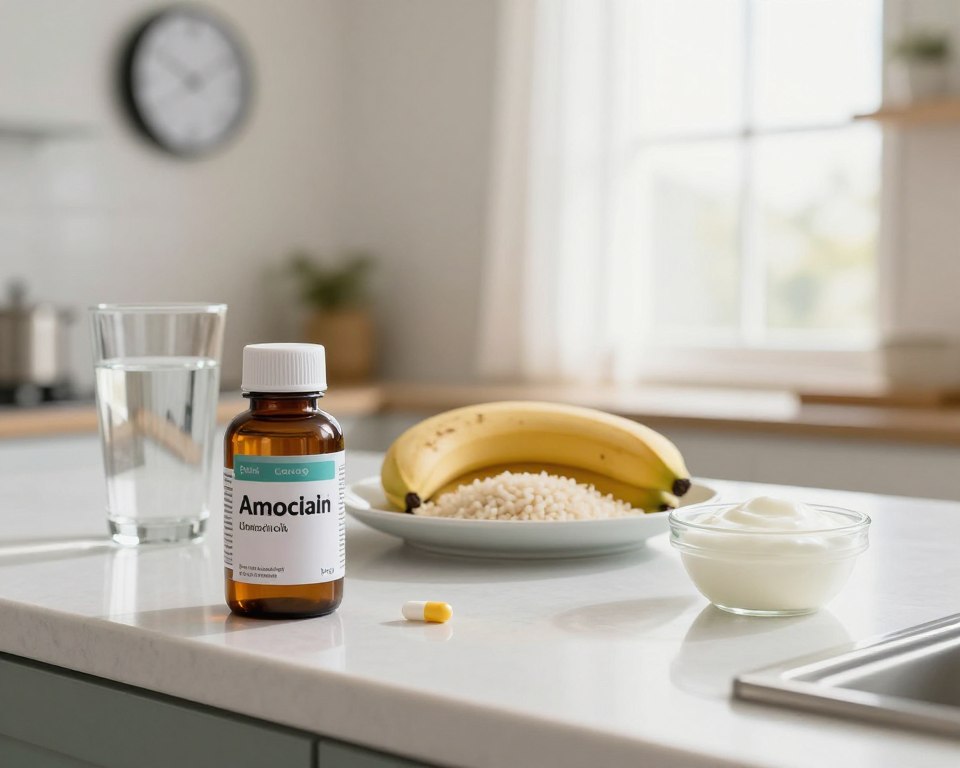
For those who easily get stomach upset, eating a light snack with your medicine helps a lot. Foods like saltine crackers, dry toast, or plain rice are good because they’re easy on the stomach. They don’t mess with how well your body absorbs the medicine.
Stay away from heavy, greasy, or acidic foods before or after taking your medicine. These can make nausea worse and cause more stomach trouble. It’s like what happens with metformin and diarrhea. Eating a small snack helps keep your stomach calm while the medicine works.
Hydration Practices During Antibiotic Therapy
Drinking enough water is key when taking antibiotics. It helps your body digest the medicine better and keeps your stomach happy. Drinking water also helps avoid side effects that come with many antibiotics.
Water is best, but herbal teas like ginger or peppermint can also help soothe a sore stomach. Try to avoid too much caffeine or sugary drinks, as they can upset your stomach. These easy steps are the best way to consume Amoxicillin and stay comfortable while following your treatment plan.
The Role of Food in Medication Tolerance
Managing antibiotics needs a balance between how well they work and your comfort. Doctors often give specific times for taking them. But, it’s key to know how your body reacts to them for success.

Balancing Absorption Efficiency with Patient Comfort
The Amoxicillin absorption rate is best when taken alone. But, for most people, taking it with a light meal doesn’t make a big difference.
Doctors usually want you to take the full dose. If food makes you too sick to keep taking it, the faster absorption doesn’t help.
“The best medicine is the one that the patient can tolerate and finish as prescribed.”
When to Prioritize Food Over Empty-Stomach Dosing
Take Amoxicillin with food if it makes your stomach hurt a lot. While taking it on an empty stomach is common, it’s not always best if it makes you uncomfortable.
Choosing comfort helps you stick to your antibiotic plan. Eating small, non-acidic snacks can help your body absorb the medicine well. But, remember, taking your medicine at the same time every day is the most important thing for fighting off infections.
Identifying When Nausea Becomes a Medical Concern
Knowing when nausea is more than just a minor issue is important. Many people have mild stomach problems, but it’s key to watch how your body reacts to antibiotic therapy. It’s important to know the difference between normal side effects and warning signs.

Recognizing Signs of Severe Adverse Reactions
Not all stomach problems are normal side effects. Be careful of symptoms that show a serious systemic response or harm to your gut health. This includes signs mentioned in clinical guidelines for antibiotic use.
See a doctor right away if you have any of these:
- Persistent or severe vomiting that stops you from drinking fluids.
- A high or rising fever after starting the medicine.
- Signs of a C. difficile infection, like watery or bloody diarrhea with cramps.
- Severe skin rashes, hives, or trouble breathing, which could be an allergic reaction.
When to Contact Your Healthcare Provider
Talking to your doctor early is the safest way to handle possible problems. If your symptoms are not just mild side effects, don’t wait. Call your doctor to see if you need to change your treatment.
If your nausea won’t go away or you feel worse, contact your doctor. Tell them about your symptoms and when they started. Your safety is the most important thing, and getting professional advice is always best when unsure.
Proper Dosage Timing and Consistency
When you get an antibiotic, the timing of each dose is key. Following your Amoxicillin dosage instructions carefully makes sure the drug works well against the infection.
Maintaining Therapeutic Blood Levels
Your body needs a steady amount of antibiotic in your blood to fight off infections. Taking your medicine at the same time every day keeps the levels right. This stops bacteria from surviving and becoming resistant.
Being consistent is the best way to take Amoxicillin properly and help your immune system. Keeping the levels stable helps your body heal quickly and safely.
Managing Missed Doses Safely
It’s easy to forget a dose sometimes. If you miss one, take it as soon as you remember. But if it’s almost time for your next dose, skip the missed one to avoid taking too much.
Don’t take two doses at once to make up for missing one. This can lead to more side effects. Keeping a regular schedule is important for your recovery.
| Scenario | Recommended Action | Reasoning |
|---|---|---|
| Dose missed early | Take immediately | Restores blood levels |
| Near next dose | Skip missed dose | Prevents overdose risk |
| Consistent timing | Stick to schedule | Ensures drug efficacy |
If you’re unsure about your Amoxicillin dosage instructions, talk to your pharmacist. Knowing how to take Amoxicillin properly is a key part of finishing your treatment right.
Interactions Between Amoxicillin and Dietary Choices
Understanding how food and medicine work together is key. Many people just think about when to take their medicine. But, medication and food interactions can change how your body absorbs treatments. Knowing about these interactions helps your treatment work better during recovery.
Foods That May Interfere With Antibiotic Efficacy
Amoxicillin usually works well with most foods. But, it’s smart to watch what you eat. Some foods can change how your body absorbs the medicine.
Dairy products are usually okay with amoxicillin. But, they can block other antibiotics. Always check with your pharmacist about medication and food interactions. Eating the same foods with your medicine keeps your blood levels steady.
- Avoid heavy, high-fat meals that may delay gastric emptying.
- Check labels for calcium-fortified foods if you are taking other types of antibiotics.
- Keep a simple food diary if you notice persistent stomach discomfort.
The Importance of Probiotic Support
Antibiotics kill bad bacteria but can harm good bacteria too. This can cause stomach problems. That’s why probiotic support is important for your recovery.
Eating fermented foods or taking supplements can help your gut. These medication and food interactions are good. They help reduce side effects. Always talk to your doctor before starting new supplements to make sure they won’t affect your antibiotic treatment.
Managing Pediatric Amoxicillin Administration
Giving antibiotics to a child needs patience, strategy, and clear talk. The best way to consume Amoxicillin is often with a small bit of food. But the main goal is to make sure the child takes the whole dose.
Tips for Parents and Caregivers
Many parents find giving the liquid with a snack or non-carbonated drink helps. This can make the child less fussy and reduce stomach upset.
Always check the instructions from your pediatrician for the liquid. Consistency is key when giving doses. Use the oral syringe or dosing cup provided to get the dose right.
Ensuring Compliance in Children
Keeping to a strict schedule is important for the medicine to fight infections well. If your child doesn’t like the taste or process, try to make it calm and stress-free.
Finding the best way to consume Amoxicillin for your child might take some trying. If they really resist or have bad side effects, talk to your doctor right away. They can help find other ways or adjust the plan.
Medical Review and Professional Oversight
Professional oversight is key for safe and effective medication use. This article was written by a licensed Master Pharmacist and reviewed by another. An actively practicing physician also checked the clinical accuracy of the information.
This content is for general education only. It does not replace talking to your healthcare team. Always consult your doctor or a registered pharmacist before changing any medication routine.
The Importance of Pharmacist Consultation
A pharmacist is a vital link between complex medical data and your health needs. A pharmacist consultation helps discuss concerns like drug interactions or the best timing for doses. They have the skills to make complex information safe and practical for you.
Pharmacists can spot subtle risks that might be missed. They give you the necessary context to navigate your recovery safely and effectively.
Why Personalized Medical Advice is Essential
Every patient is unique, with their own health history, medications, and sensitivities. General information can’t cover your specific needs. Personalized medical advice from a licensed healthcare provider is essential for a safe and effective treatment plan.
Using guidelines without professional advice can lead to poor results or safety issues. Your doctor or pharmacist can make recommendations that fit your lifestyle and health. This is the best way to manage antibiotic therapy safely.
| Feature | General Educational Content | Personalized Medical Advice |
|---|---|---|
| Scope | Broad, population-based data | Individualized health assessment |
| Context | Standard clinical guidelines | Specific medical history and needs |
| Application | Informational reference | Actionable treatment plan |
| Responsibility | Educational resource | Licensed healthcare provider |
Image Disclosure and Educational Limitations
At WhatIsThisMed.com, we value transparency in our visual content. We aim to give you clear, accurate, and useful resources for your health. Please check our image disclosure policy to understand our practices fully.
Understanding AI-Generated Educational Content
Some images on our site might be AI-generated or digitally enhanced. These images help make complex medical ideas easier to understand. They are educational tools, not exact pictures of real medical situations.
We use these tools to make diagrams that are clear and easy to understand. Remember, these images are meant to help you learn. They should not replace what a doctor can show you in person.
Disclaimer Regarding Self-Diagnosis
This content is for educational use only. Self-diagnosis can be dangerous if you don’t understand your symptoms or health issues. Always talk to a healthcare professional for any medical concerns.
If you have symptoms or health questions, see your doctor or pharmacist. Your doctor is the only one who can give you a proper diagnosis or treatment plan. We provide information, but your medical team is essential.
Conclusion
Amoxicillin is a key part of modern medicine for fighting bacterial infections. You can take it with or without food, depending on how you feel.
Taking it on an empty stomach might make it absorb faster. But, a light snack can help avoid nausea or stomach upset.
Keeping to your dosing schedule is the most important thing for getting better. This keeps the medicine working right in your body.
Talking openly with your doctor or pharmacist is very important. They can help make your treatment plan fit your health needs.
Watch for any strange reactions while you’re taking the medicine. If side effects last or you’re worried, talk to your doctor.
By following professional advice and staying informed, you can help your recovery. Being proactive about your health leads to better results and a quicker recovery.
FAQ
Can You Take Amoxicillin on an Empty Stomach without reducing its effectiveness?
Yes, taking Amoxicillin on an empty stomach is safe. It stays stable in your stomach’s acid. But, many people prefer taking it with food to protect their stomach and avoid nausea.
What is the best way to consume Amoxicillin to ensure the infection is cleared?
Follow your doctor’s Amoxicillin dosage instructions carefully. Take your doses at the same time every day. This keeps the drug levels in your blood steady and helps clear the infection.
Does eating a meal significantly alter the Amoxicillin absorption rate?
Eating doesn’t greatly affect how Amoxicillin is absorbed. A big meal might slow down its start, but it won’t change how much gets into your blood. This is enough to fight the infection.
How to take Amoxicillin properly if I have a sensitive stomach?
If your stomach is sensitive, take Amoxicillin with a meal or snack. This reduces nausea and stomach upset. It keeps the medicine away from your stomach lining.
Are there any specific medication and food interactions I should worry about?
Amoxicillin doesn’t react badly with dairy like some antibiotics do. You can have milk or cheese without affecting the drug. But, eating probiotic foods like Chobani yogurt can help your gut health.
What should I do if I miss a scheduled dose of my antibiotic?
If you miss a dose, take it as soon as you remember. But if it’s almost time for the next dose, skip it. Stick to your regular schedule to avoid resistant bacteria.
Why do healthcare providers emphasize taking the full course of Amoxicillin?
Finishing your Amoxicillin is key, even if you feel better. Stopping early can let bacteria come back stronger. This makes infections harder to treat with common drugs.