

Quick Answer
Can I Drink Coffee While Taking Metformin? Yes, you can generally drink coffee while taking metformin, but moderation, preparation type, and structural timing are critical to avoiding unwanted metabolic and digestive complications. For the vast majority of individuals diagnosed with type 2 diabetes or prediabetes, moderate coffee consumption does not trigger dangerous chemical or toxicological drug interactions with metformin. However, caffeine can temporarily alter insulin sensitivity and cause blood glucose fluctuations due to adrenaline release. Furthermore, both coffee and metformin independently accelerate and irritate the gastrointestinal tract. To minimize severe stomach cramping, sudden diarrhea, and unexpected blood sugar spikes, patients should avoid taking their dose and drinking strong coffee simultaneously.
Key Takeaways About Coffee and Metformin Therapy
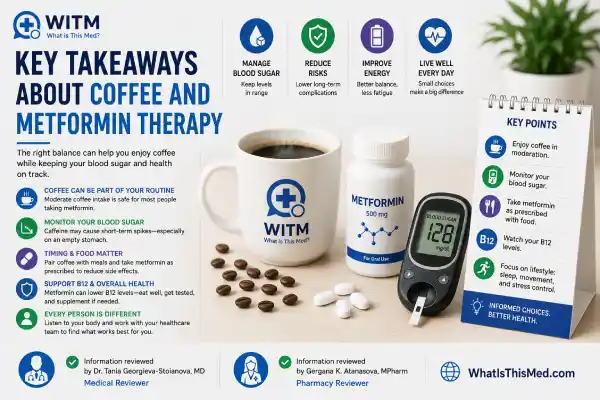
- No Direct Chemical Binding: Coffee and metformin do not directly interact in the bloodstream to cancel each other’s physiological mechanisms out.
- Gastrointestinal Compounding: Both substances independently speed up intestinal motility, meaning their simultaneous ingestion can significantly worsen initial metformin-induced diarrhea or nausea.
- The Caffeine Glucose Shift: While long-term habitual coffee drinking is epidemiologically linked to improved metabolic markers, acute spikes in caffeine can temporarily raise blood sugar levels by triggering stress hormones.
- The Additive Trap: Plain black coffee has a completely safe glucose profile, but commercial coffee drinks loaded with high-fructose syrups, milks, and hidden sugars will actively counteract your diabetes management.
- Dehydration Interplay: Caffeine acts as a mild diuretic. If combined with early gastrointestinal side effects from your medication, it can accelerate dehydration, putting indirect stress on your kidney filtration.
Can I Drink Coffee While Taking Metformin?
Patient Decision Box
| If You Experience… | What You Should Do |
| Severe diarrhea, loose stools, or sharp stomach cramps right after your morning coffee and pill | Temporarily switch to high-quality decaf, ensure you consume a solid, protein-dense breakfast right before your dose, and space coffee 2 hours away from the medicine. |
| Unexpected, sharp blood sugar spikes after drinking a plain, completely unsweetened cup of black coffee | Monitor your glucose carefully. You may have high sensitivity to caffeine-induced epinephrine release. Consider decreasing the strength or volume of your brew. |
| Severe jitters, acute anxiety, racing pulse, or sleep disturbances later in the evening | Cease all caffeinated beverage intake strictly before 12:00 PM. Chronic elevation of anxiety and stress hormones actively impairs metformin’s ability to lower blood glucose. |
| Persistent, heavy exhaustion despite drinking multiple cups of coffee throughout the day | Do not try to resolve the exhaustion with more caffeine. Read our comprehensive guide on Why Am I Tired After Taking Metformin to evaluate potential long-term B12 issues. |
Why Millions Ask “Can I Drink Coffee While Taking Metformin?”
Morning routines across the globe are deeply anchored by a fresh, steaming cup of coffee. When an individual receives a diagnosis of type 2 diabetes or prediabetes and is handed a prescription for metformin, lifestyle adjustments immediately become a major point of concern. Naturally, one of the most practical questions patients pose to their pharmacists is: Can I drink coffee while taking metformin?
This question is not trivial. Both coffee and metformin are highly active compounds that influence your metabolic rate, your central nervous system, and your digestive mechanics. To understand whether they can safely coexist in your daily life, we have to look past simple “yes or no” answers and evaluate the deep physiological mechanisms at play within your liver, muscles, and intestinal walls.
The Gastrointestinal Impact: Managing the Double Whammy
To establish clinical safety, a patient must first look at how these two substances interact locally within the stomach and intestines.
As established in our comprehensive Metformin: The Ultimate Patient Guide, gastrointestinal upset is the single most frequent reason patients experience poor compliance or choose to stop their therapy early. Metformin changes the local osmotic gradient in the gut and increases local bile acid concentrations, which naturally causes initial bloating, nausea, gas, and loose stools.
Now, let’s look at the pharmacological properties of a standard cup of coffee:
- Hypersecretion of Gastric Acid: Both caffeinated and decaffeinated coffee contain chlorogenic acids and N-alkanoly-5-hydroxytryptamides. These compounds stimulate the parietal cells in your stomach to produce excess gastric acid, which can severely aggravate heartburn and acid reflux.
- Accelerated Motor Activity (Peristalsis): Coffee stimulates the release of gastrin and cholecystokinin, hormones that accelerate colonic motor activity. Essentially, coffee commands your digestive tract to empty its contents much faster than normal.
When a patient takes an immediate-release metformin dose with a concentrated mug of hot coffee on an empty stomach, they are creating a compounding effect. The simultaneous presentation of these two irritants dramatically accelerates gut transit time. This is the primary underlying cause behind explosive morning diarrhea, sudden abdominal cramps, and severe waves of nausea during the first few weeks of starting therapy.
The Caffeine Glucose Paradox: How Coffee Alters Blood Sugar
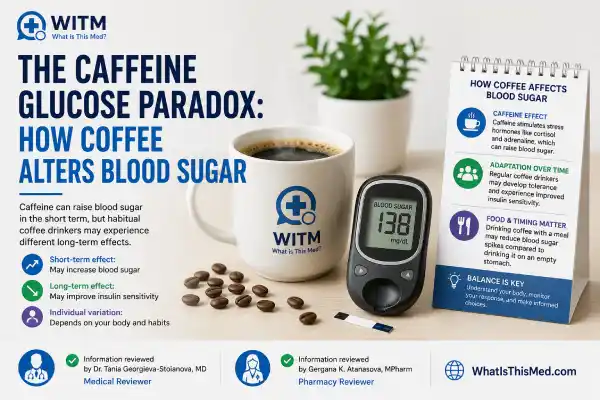
When evaluating Can I drink coffee while taking metformin, the conversation eventually leads to your continuous glucose monitor or fingerstick numbers. This is where the underlying medical science presents a highly fascinating phenomenon known in endocrinology as the “caffeine paradox.”
The Long-Term Epidemiological Benefit
If you look at multi-year, large-scale medical studies tracking tens of thousands of individuals, habitual coffee consumption is consistently correlated with a significantly lower risk of developing type 2 diabetes. This protective effect occurs because coffee is not just caffeine; it is a complex biological soup loaded with highly beneficial antioxidants, such as polyphenols (chlorogenic acids), quinides, and lignans, alongside trace amounts of magnesium. These micronutrients improve liver health, reduce systemic chronic inflammation, and support long-term insulin sensitivity.
The Acute Metabolic Disruption
However, the immediate impact of consuming a high dose of caffeine if you already have type 2 diabetes can be entirely different. Caffeine acts as a competitive antagonist of adenosine receptors throughout your central nervous system and peripheral tissues. By blocking adenosine, caffeine triggers a cascade that increases the secretion of your body’s primary stress hormones:
- Epinephrine (Adrenaline)
- Cortisol
These hormones are biologically designed to prepare your body for sudden physical exertion (the fight-or-flight response). They intentionally instruct the liver to convert stored glycogen back into glucose and dump it into the bloodstream for quick cellular fuel. Simultaneously, adrenaline temporarily reduces peripheral insulin sensitivity in muscle tissues.
Because metformin’s primary therapeutic goals are to switch off excess liver glucose production and switch on insulin sensitivity, a heavy surge of morning caffeine acts as a direct metabolic opponent to your medication. Consequently, some patients observe a temporary, confusing rise in their post-meal blood sugar levels if they drink strong coffee alongside their morning meal.
Analyzing Different Types of Coffee, Sweeteners, and Commercial Additives
When evaluating the question, Can I drink coffee while taking metformin?, it is vital to recognize that the term “coffee” encompasses a massive spectrum of beverages. The biochemical difference between a clean cup of black espresso and a complex, commercially prepared blended coffee drink is vast. For a patient managing type 2 diabetes or prediabetes, it is rarely the coffee bean itself that damages therapeutic outcomes—it is what is added to the cup.
Plain Black Coffee, Espresso, and Cold Brew
Unsweetened black coffee, espresso, and slow-filtered cold brew contain virtually zero carbohydrates, negligible calories, and no fats. These variations represent the safest choice for anyone tracking their glycemic index. The natural polyphenols present in black coffee remain completely unhindered by excessive sugars. If a patient asks a pharmacist, “Can I drink coffee while taking metformin if it is completely black?”, the clinical consensus is highly supportive, provided the patient monitors their initial stomach sensitivity.
Dairy Milks vs. Plant-Based Alternatives
Introducing dairy milk or plant-based creamers significantly alters how your body processes the beverage:
- Whole and Skim Cow’s Milk: Contains lactose, a naturally occurring sugar that breaks down into glucose and galactose. Pouring a large volume of standard milk into your morning coffee adds hidden carbohydrates that can cause mild, unexpected postprandial glucose rises.
- Sweetened Plant Milks (Oat, Rice, Almond): Oat milk has grown immensely popular but is notoriously high in rapidly absorbing carbohydrates due to how oat starches are enzymatically split during manufacturing. Sweetened varieties of plant milks contain added cane sugar or high-fructose corn syrup, which will actively counteract the glucose-lowering mechanisms of metformin.
- Unsweetened Soy, Almond, or Hemp Milk: These plant-based milks contribute negligible carbohydrates while providing a small amount of healthy fats and proteins. The presence of these fats can actually slow down gastric emptying, which may theoretically soften the sudden absorption spike of caffeine in sensitive individuals.
The True Danger: Commercial Syrups and Blended Drinks
This is the area where coffee consumption becomes genuinely hazardous for a patient on metabolic therapy. A large flavored latte, mocha, or ice-blended coffee beverage from a commercial coffee chain is not structurally a coffee it is a liquid dessert.
Many of these drinks contain between 40 and 60 grams of refined sugar, which is far beyond the recommended daily allowance for a healthy individual, let alone someone managing insulin resistance. Consuming these high-sugar beverages causes an immediate, massive surge in circulating blood glucose that completely overwhelms the operational capacity of a standard metformin dose.
⚠️ Sweetener Compatibility Guide
Pharmacist Tip: Always read the physical labels of “sugar-free” commercial syrups. Many contain maltodextrin, which has a higher glycemic index than regular table sugar.
Deeper Connections: Chronic Fatigue, B12 Deficiency, and Caffeine Dependency

A significant psychological pattern observed in community pharmacies involves patients using excessive coffee consumption to mask an underlying medical issue. When a patient on long-term metabolic therapy notices a gradual, persistent loss of physical and mental energy, their immediate instinct is often to increase their daily caffeine intake.
However, this can create a highly counterproductive health cycle. As detailed extensively in our guide on Can Metformin Cause Vitamin B12 Deficiency, long-term use of this biguanide systematically alters the calcium-dependent absorption paths in the terminal ileum. This frequently leads to a severe depletion of stored vitamin B12 over several months or years.
When vitamin B12 levels drop, cellular energy production fails, and megaloblastic anemia can develop, causing deep, chronic exhaustion. Attempting to override this profound physiological fatigue by drinking massive quantities of strong coffee is highly ineffective. The heavy load of caffeine does not fix the cellular deficiency; instead, it further irritates the stomach lining, induces chronic anxiety, increases cortisol production, and worsens insomnia, while leaving the underlying nutritional deficit completely unaddressed.
Frequently Asked Questions – Coffee and Metformin Guide
Can I drink coffee while taking metformin extended-release (XR)?
Yes. Patients utilizing the extended-release (XR) or prolonged-release formulations generally report substantially fewer gastrointestinal side effects when drinking coffee compared to those on immediate-release (IR) tablets. The XR mechanism releases the active medicine slowly across several hours, preventing a sharp, localized concentration of the drug from mixing with the irritating acids and enzymes stimulated by coffee in the stomach.
Will drinking coffee increase my risk of developing metformin-associated lactic acidosis?
No, coffee does not possess any chemical property that directly induces or accelerates the accumulation of lactic acid in the bloodstream. However, a major indirect risk factor exists: dehydration. Caffeine acts as a mild diuretic, prompting your kidneys to flush out extra sodium and water. If you drink multiple cups of coffee daily while neglecting your pure water intake especially if you are already experiencing metformin-induced diarrhea you can easily fall into a state of severe dehydration. Acute dehydration limits kidney filtration, which is a primary underlying trigger for rare but life-threatening lactic acidosis.
Why do I feel dizzy or experience heart palpitations when I drink coffee with metformin?
This symptom combination usually points to two distinct physiological causes. First, the simultaneous rapid emptying of the gut caused by both substances can induce mild hypovolemia or a sudden, temporary drop in blood pressure, leading to postural dizziness. Second, caffeine blocks adenosine pathways, which naturally accelerates your heart rate and can induce severe jitters or a racing pulse. If you take metformin with other medications like insulin, heavy caffeine consumption can also mask the early neurogenic warning signs of low blood sugar, such as sweating or mild shaking, making it harder for you to recognize an ongoing glycemic drop.
Does drinking decaf coffee eliminate the blood sugar and stomach risks?
Decaffeinated coffee eliminates the risk of short-term blood sugar spikes because it lacks the caffeine required to trigger adrenaline and cortisol release. It also significantly reduces the intensity of accelerated bowel movements. However, decaf coffee still retains natural organic acids that can stimulate the production of stomach acid, meaning it may still cause mild heartburn or acid reflux if consumed on a completely empty stomach alongside your medication.
Can I take metformin with a caffeinated energy drink or pre-workout supplement instead of coffee?
This practice is strongly discouraged by healthcare professionals. Commercial energy drinks and pre-workout powders typically contain massive, highly concentrated doses of synthetic anhydrous caffeine (often between 200 mg and 300 mg per single serving), alongside various herbal stimulants like guarana or yohimbine. This intense rush of stimulants triggers a massive, acute stress hormone response that directly opposes metformin’s ability to regulate blood glucose, while simultaneously causing severe, agonizing gastric irritation and tachycardia.
Medical Disclaimer
The extensive educational material provided within this article is intended strictly for informational purposes and cannot substitute for individual, professional medical advice, clinical diagnosis, or personalized treatment plans. Always consult your primary care physician, endocrinologist, or a registered pharmacist before modifying your daily dietary habits, altering your prescription schedule, or making major changes to your diabetes management routine.Can I Drink Coffee While Taking Metformin?
Sources
- American Diabetes Association (ADA). Standards of Care in Diabetes – Clinical Review of Lifestyle and Dietary Factors.
- Harvard T.H. Chan School of Public Health. Multi-Year Epidemiological Evaluation of Coffee Ingestion and Type 2 Diabetes Prophylaxis.
- Mayo Clinic. Endocrine Assessment: How Synthetic and Natural Caffeine Intake Modulates Daily Blood Glucose Monitors.
- U.S. Food and Drug Administration (FDA). Fluid Dynamics and Gastrointestinal Tolerability Profiles for Biguanide Formulations.
- National Institute of Diabetes and Digestive and Kidney Diseases (NIDDK). Managing Common Side Effects and Drug Interactions in Type 2 Diabetes Care.
Image Disclosure – Can I Drink Coffee While Taking Metformin?
Some images used on WhatIsThisMed.com may be AI-generated or digitally enhanced for educational and illustrative purposes. These images are intended to support understanding and should not be used for self-diagnosis or as a substitute for professional medical evaluation. Whatisthismed.com