

Last week, a patient came to my pharmacy, tired and holding tissues. They thought only one antibiotic could fix their sore throat. This is a common mistake in healthcare today.
Many think antibiotics solve all respiratory problems. But, antibiotics only fight bacteria, not the usual causes of sore throats. Using the wrong medicine is not only ineffective but also risky for our health.
It’s important to know the difference between these invaders. Misusing antibiotics helps create antibiotic-resistant bacteria. Evidence-based clarity is key for safely dealing with these health issues.
Key Takeaways
- Antibiotics are ineffective against pathogens that cause most respiratory infections.
- Misusing medication contributes to the global rise of antibiotic-resistant bacteria.
- A professional diagnosis is necessary to distinguish between bacterial and non-bacterial causes.
- Unnecessary use of drugs can lead to harmful side effects and microbiome disruption.
- Supportive care, such as hydration and rest, remains the gold standard for recovery.
Understanding the Biology of a Sore Throat
Your throat is more than just a food passage. It’s a key part of your immune system. The pharynx is where viruses and bacteria often enter, causing inflammation and pain. Knowing how your throat works when it’s stressed is key to finding the right viral sore throat treatment options.
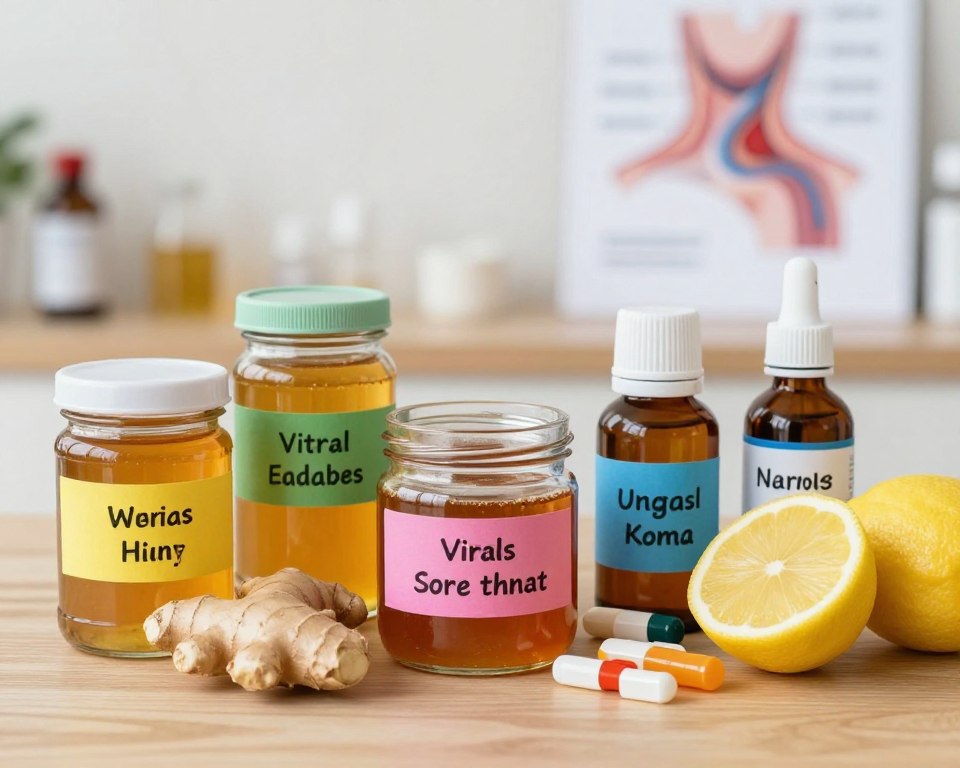
Anatomy of the Pharynx and Throat Irritation
The pharynx is a muscular tube with a special lining. This lining protects you but can react to invaders. When pathogens get in, your body fights back, causing blood vessels to swell and release chemicals.
This fight leads to swelling, redness, and pain in your throat. Understanding this helps us see why irritation happens when your lining reacts to threats. It’s a way your body tries to protect you, even if it hurts.
“The body’s inflammatory response is a double-edged sword; it is designed to neutralize threats, yet it is often the primary source of the pain we experience during an infection.”
Distinguishing Between Pathogens and Irritants
Not all throat pain comes from infections. We need to tell apart irritants from true infections. Things like dry air, smoke, or chemicals can hurt your throat without causing an infection.
But infections need a different treatment. Knowing what’s causing your pain is key before looking at viral sore throat treatment options. Here’s how to tell them apart:
- Environmental Irritants: Usually get better fast once the irritant is gone.
- Infectious Pathogens: Come with symptoms like fever, tiredness, or swollen lymph nodes.
- Diagnostic Clarity: A doctor can tell if it’s a virus or something else.
Can You Take Amoxicillin for a Viral Sore Throat?
Many people wonder if they can take amoxicillin for a viral sore throat. But the truth is rooted in science. They think any throat pain needs a prescription to heal fast. But, antibiotics don’t work for every infection.

The Fundamental Misconception About Antibiotics
Most throat infections are viral, not bacterial. This means amoxicillin, which targets bacteria, won’t help. Viruses don’t have the same structure as bacteria.
So, taking amoxicillin for a viral sore throat won’t help. It can even cause side effects. This shows a big misunderstanding of how medicine works.
Why Amoxicillin Is Not a Universal Remedy
Can amoxicillin treat viral sore throat? The answer is no. Using antibiotics when not needed can lead to antibiotic resistance. This makes fighting future infections harder.
When you’re sick, it’s best to find out why. Don’t just grab an antibiotic. This helps keep you and others healthy. Always talk to a doctor before taking any medication.
Why Antibiotics Fail Against Viral Infections
Antibiotics are made to fight bacteria, not viruses. When someone asks for Amoxicillin for viral sore throat, they’re looking for a treatment that can’t help. It’s important to know this to avoid harmful drugs.

The Mechanism of Action of Amoxicillin
Amoxicillin is a type of antibiotic. It works by stopping bacteria from making their cell walls. Without cell walls, bacteria can’t grow and die off.
“Antibiotics are not magic bullets; they are specific chemical agents that target bacterial structures that simply do not exist in viruses.”
How Viruses Evade Antibiotic Interference
Viruses work differently than bacteria. They don’t have cell walls or the parts that antibiotics target. Instead, they use host cells to make more viruses.
So, using Amoxicillin for viral infection doesn’t help. It can’t stop viruses from making more. This means Amoxicillin effectiveness for viral sore throat is zero, as it can’t target viruses.
The Dangers of Antibiotic Misuse
Choosing to use amoxicillin for viral infection can harm your body. These drugs are great for fighting bacteria but not viruses. Taking them when you don’t need to can stress your body.
Potential Side Effects of Unnecessary Amoxicillin Use
Every antibiotic can cause problems. Many people get stomach issues when they don’t need these drugs.
These issues often include nausea, vomiting, and diarrhea. These symptoms can make you feel worse, not better.
The Risk of Allergic Reactions and Microbiome Disruption
There are bigger risks with antibiotics too. Some people might have severe allergic reactions. These can range from mild rashes to life-threatening anaphylaxis.
Also, antibiotics like amoxicillin can mess with your gut’s good bacteria. This can upset the balance of your human microbiome. It might even let bad bacteria grow, weakening your body’s defenses.
I tell patients to think carefully about these risks. Not taking medication that won’t help is key to keeping you healthy in the long run.
Identifying the Cause: Viral vs. Bacterial Sore Throats
Doctors use specific signs to tell if a sore throat is viral or bacterial. Knowing the cause is key to good care. They avoid giving antibiotics for viral sore throat because it doesn’t help.

Clinical Indicators of Viral Infections
Viral sore throats are common and often come with other symptoms. These include a runny nose, congestion, and a cough. These signs point to a cold or flu virus, not a bacterial infection.
Antibiotics won’t help with viruses. Taking them can cause problems like severe stomach cramps. Rest and staying hydrated are the best ways to feel better.
Signs That Suggest a Bacterial Infection Like Strep Throat
Bacterial infections, like Strep throat, have clear signs. Look for sudden pain, high fever, and swollen lymph nodes. Unlike viral infections, they don’t usually come with a cough or runny nose.
Many wonder, “Can amoxicillin treat viral sore throat?” The answer is no. The table below shows how to tell the difference between viral and bacterial infections.
| Symptom | Viral Infection | Bacterial (Strep) |
|---|---|---|
| Onset | Gradual | Sudden |
| Cough | Common | Absent |
| Fever | Low-grade | High-grade |
| Lymph Nodes | Mildly tender | Swollen/Painful |
Common Symptoms of Viral Pharyngitis
It’s key to know the signs of viral pharyngitis to take care of yourself right. Most sore throats come from viruses, not bacteria. This means antibiotics like amoxicillin for a sore throat virus won’t work. Knowing this helps you avoid the dangers of using antibiotics when you shouldn’t.
The Role of Cough, Runny Nose, and Hoarseness
Viral pharyngitis often comes with symptoms like a persistent cough, runny nose, and hoarseness. These signs usually mean it’s a virus. They are important for both you and your doctor to notice.
When you have these symptoms with a sore throat, it’s likely not a bacterial infection. This is why amoxicillin for a sore throat virus is not helpful and could be harmful. Instead, focus on managing your symptoms without antibiotics.
Duration and Progression of Viral Sore Throats
Viral sore throats usually get worse in the first few days and then get better. Most people find their symptoms go away without needing medicine. This self-limiting nature is typical of viral infections.
Knowing this helps you understand how long you’ll feel sick. Because these illnesses are temporary, they don’t need antibiotics. Drinking plenty of water and using other supportive care is the best way to feel better.
When a Sore Throat Requires Medical Attention
Most sore throats get better on their own. But knowing when to see a doctor is key for your health. Many wonder when to take amoxicillin for viral sore throat. But remember, antibiotics don’t work on viruses. Look for symptoms that mean you need to see a doctor.
Red Flags That Indicate Severe Illness
Some symptoms mean your throat issue might be serious. If you see these signs, call a doctor fast. They can check for serious problems like peritonsillar abscesses or severe bacterial infections.
- High fever that doesn’t go away or gets worse.
- Can’t swallow saliva or have trouble with oral secretions.
- Swollen tonsils or throat tissue that makes your voice sound muffled.
- Severe pain on one side of your throat.
When to Seek Emergency Care for Breathing Difficulties
Some situations need quick action to keep you safe. If you or someone else can’t breathe, don’t wait for an appointment. Go straight to the emergency room.
Call 911 or head to the emergency room if you see these signs:
- Difficulty breathing or wheezing sounds.
- Lips, tongue, or throat swelling that blocks airflow.
- The person has collapsed, had a seizure, or can’t wake up.
- Symptoms get worse fast, making it hard to speak or breathe.
Many think antibiotics fix all throat problems. But the truth is, when to take amoxicillin for viral sore throat is never. Seeing a doctor right away is the best way to get the right treatment and avoid serious problems.
The Role of Rapid Strep Testing in Diagnosis
Rapid testing has changed how doctors handle throat infections. It helps doctors make decisions based on facts, not guesses. This is key to giving the right treatment and avoiding unnecessary antibiotics.

How Doctors Differentiate Between Strep and Viruses
The Rapid Antigen Detection Test (RADT) is a common tool. It’s a quick throat swab to find specific proteins from Group A Streptococcus bacteria. Doctors get results in minutes, making decisions right away.
Even though the test is accurate, it can sometimes miss the mark. If it does, doctors might do a throat culture to double-check. This ensures they catch bacterial infections and avoid giving antibiotics for viruses.
The Importance of Diagnostic Accuracy
Getting the diagnosis right is key to avoiding overuse of antibiotics like amoxicillin. If a test shows a bacterial infection, doctors can treat it correctly. If it’s negative, it means the illness is likely viral, and antibiotics won’t help.
Using these tests keeps treatments effective for the future. By sticking to evidence-based testing, doctors fight antibiotic resistance. The table below shows the main differences in diagnosis.
| Clinical Feature | Viral Pharyngitis | Strep Throat (Bacterial) |
|---|---|---|
| Onset | Gradual | Sudden |
| Cough/Runny Nose | Common | Rare |
| Fever | Low-grade | High-grade |
| Rapid Test Result | Negative | Positive |
Evidence-Based Treatment Options for Viral Sore Throats
When you have a viral sore throat, the main goal is to ease your symptoms. Your body will heal itself, and the focus is on managing your symptoms. Choosing viral sore throat treatment options that are backed by science helps avoid risks from Amoxicillin for sore throat virus.
Over-the-Counter Medications for Pain Management
For most people, over-the-counter (OTC) pain relievers are the best choice. These medicines block pain signals and reduce swelling. This makes your throat feel better. You can find more information on managing symptoms through resources like this overview of pharyngitis.
- Acetaminophen: Helps reduce fever and general pain.
- Ibuprofen: A non-steroidal anti-inflammatory drug (NSAID) that targets swelling.
- Throat Lozenges: Provide temporary numbing effects to soothe irritation.
The Efficacy of Anti-Inflammatory Drugs
Some people think antibiotics will make them feel better faster. But, research shows antibiotics only shorten pain symptoms by about a day. The side effects of Amoxicillin for sore throat virus, like stomach problems or allergic reactions, are often worse than the benefits.
It’s key to know how your body reacts to medicines when you’re sick. If you’re curious about how certain substances affect your treatment, check out medication interactions. Choosing viral sore throat treatment options that focus on reducing inflammation is the best approach for viral illnesses.
| Treatment Type | Primary Benefit | Safety Profile |
|---|---|---|
| NSAIDs | Reduces inflammation | High (if used as directed) |
| Acetaminophen | Pain and fever relief | High (if dosed correctly) |
| Antibiotics | Bacterial eradication only | Low (for viral infections) |
Home Remedies for Symptom Relief
Simple, non-pharmacological interventions often provide the most significant relief for a sore throat. When you are navigating a viral infection, these viral sore throat treatment options focus on reducing localized irritation and supporting the body’s natural recovery process. These methods are safe, inexpensive, and highly effective for managing daily discomfort.
Hydration and Throat Soothing Techniques
Maintaining adequate hydration is essential when your throat feels raw. Drinking plenty of fluids helps keep the mucosal tissues moist, which prevents further dryness and irritation. Warm liquids, such as herbal teas or broth, can provide immediate comfort by increasing blood flow to the area.
Adding a small amount of honey to warm water or tea is another effective strategy. Honey acts as a natural demulcent, coating the throat to reduce the urge to cough. This simple approach is one of the most reliable viral sore throat treatment options for both adults and older children.
The Benefits of Salt Water Gargles and Humidifiers
Salt water gargles are a time-tested method for reducing localized inflammation. By drawing excess fluid out of the inflamed tissues, the salt solution helps to clear mucus and soothe the pharynx. To prepare this, mix about half a teaspoon of salt into a glass of warm water and gargle for several seconds before spitting it out.
Using a humidifier in your bedroom can also prevent the air from becoming too dry, which is common during winter months. Moist air helps keep your throat tissues hydrated while you sleep, which significantly reduces morning soreness. Combining these techniques creates a complete approach to managing symptoms at home.
| Remedy | Primary Benefit | Frequency |
|---|---|---|
| Salt Water Gargle | Reduces inflammation | 3-4 times daily |
| Honey in Tea | Coats and soothes | As needed |
| Humidifier | Prevents dryness | While sleeping |
| Hydration | Maintains moisture | Throughout the day |
The Global Crisis of Antibiotic Resistance
When we take antibiotics without a doctor’s order, we harm everyone’s health. Using antibiotics for viral sore throat is a big problem. It makes future treatments harder for all of us.
How Misuse Contributes to Superbugs
Bacteria can change to avoid drugs. When we use antibiotics for viral sore throat, we harm our own health. This kills some bacteria but lets others grow stronger.
These strong bacteria, or superbugs, can spread. They make infections harder to treat. This makes drugs less effective over time.
The Long-Term Public Health Consequences
Using antibiotics wrong has big effects on everyone. If we keep using them wrong, simple infections could be deadly. We need antibiotics for surgeries and chemotherapy to stay safe.
We must use antibiotics wisely. Only use them when really needed. This keeps them working for those who need them most. Here’s how our choices affect health:
| Action Taken | Immediate Result | Long-Term Impact |
|---|---|---|
| Appropriate Use | Bacterial infection cleared | Preserves drug efficacy |
| Misuse for Viruses | No clinical improvement | Promotes resistant superbugs |
| Incomplete Course | Symptoms may return | Encourages bacterial mutation |
Pharmacist-Verified Safety Guidelines for Medication Use
As a pharmacist, I often see patients overlook the critical details of medication storage and usage. Many people ask about when to take amoxicillin for viral sore throat. But safety starts with how you handle the medication at home. Proper management keeps your treatment effective and safe.
Reading Labels and Avoiding Drug Interactions
Always read the patient information leaflet with your prescription. These documents tell you how to store your medication. For example, some liquid medications need to be kept in the fridge, while others should be at room temperature. Consistency in storage keeps the drug stable.
Also, be careful about drug interactions. Tell your pharmacist about all substances you’re using, including:
- Over-the-counter pain relievers
- Herbal supplements or vitamins
- Prescription medications for chronic conditions
The Importance of Completing Prescribed Courses Only When Necessary
Stopping an antibiotic early because you feel better is a common mistake. If a doctor says you need an antibiotic, it’s critical to complete the full course. Stopping early lets surviving bacteria grow, leading to resistant strains.
Remember, antibiotics only work on bacterial infections. Knowing when to take amoxicillin for viral sore throat—which is never—is important. By following these guidelines, you keep yourself healthy and help fight antibiotic resistance in our community.
Communicating Effectively with Your Healthcare Provider
Talking well with your doctor is key to safe and right treatment. When you see a doctor for a sore throat, you play a big role in getting better. Talking clearly helps figure out if you need medicine or if care without medicine is better.
Questions to Ask Before Accepting an Antibiotic Prescription
It’s important to know why you’re getting a prescription. You should ask your doctor about the Amoxicillin effectiveness for viral sore throat. If it’s not clear what’s wrong, asking for more tests can stop the wrong medicine from being used.
Here are some questions to ask your doctor:
- Is there clinical evidence that my sore throat is caused by bacteria?
- What are the specific risks of taking an antibiotic if my infection is viral?
- Are there alternative treatments that can manage my symptoms more effectively?
“The patient’s role in the diagnostic process is not merely passive; it is a critical component of ensuring that medical interventions are both necessary and appropriate for the condition at hand.”
Advocating for Evidence-Based Care
Looking out for your health means asking about evidence-based medical practices. If you’re unsure about treatment, ask for a second opinion or more explanation. You can also get professional advice if you’re worried about your diagnosis.
Here’s how to ask questions to get the best care:
| Question Category | Focus Area | Expected Outcome |
|---|---|---|
| Diagnosis | Bacterial vs. Viral | Clear clinical confirmation |
| Treatment | Necessity of Amoxicillin | Avoidance of unnecessary drugs |
| Recovery | Symptom management | Improved patient comfort |
By focusing on clear communication, you make sure your treatment is up to date. Remember, Amoxicillin effectiveness for viral sore throat is zero. Standing up for this knowledge keeps you healthy in the long run.
Conclusion
Amoxicillin is key for fighting bacterial infections but not for viral sore throats. The best way to figure out what you need is through accurate tests. Using antibiotics the wrong way can make them less effective when you really need them.
Knowing about strep throat timeline and treatment helps you understand recovery. Viral infections usually get better by themselves, but bacterial ones need doctor help. Getting the right care from medical experts is important.
Managing symptoms and staying hydrated helps your body heal. Always talk to a doctor or pharmacist before taking any medicine. This way, you protect your health and keep antibiotics working for everyone.
FAQ
Can amoxicillin treat viral sore throat if the pain is severe?
No. Pain doesn’t determine the cause. Amoxicillin only works on bacteria, not viruses, no matter how bad the pain is.
Is amoxicillin for viral infection ever recommended by doctors?
Generally, no. Doctors follow strict guidelines against using amoxicillin for viruses. They might only prescribe it if they suspect a bacterial infection.
Why is amoxicillin effectiveness for viral sore throat non-existent?
Amoxicillin targets bacteria by breaking their cell walls. Viruses don’t have cell walls, so it can’t work on them.
What are the best viral sore throat treatment options if I can’t take antibiotics?
The best options include over-the-counter pain relievers, salt water gargles, throat lozenges, and staying hydrated.
When to take amoxicillin for viral sore throat symptoms?
Take amoxicillin only if a doctor confirms a bacterial infection. Using it for viruses won’t help and can lead to antibiotic resistance.
Can I use a leftover prescription of amoxicillin for sore throat virus symptoms?
No. Never use leftover antibiotics. Using them for viruses is dangerous and can create “superbugs.”
What happens if I take antibiotics for viral sore throat by mistake?
You won’t get better faster, and you might get side effects like diarrhea or a rash. It also disrupts your body’s good bacteria.