Recent studies show that almost 30% of antibiotic use in the U.S. is not needed or is wrong. When you start taking medicine, you hope your symptoms will get better. But if they don’t after 72 hours, it’s a big worry.
If your symptoms don’t get better, you must see a doctor right away. This time is key to check if the medicine is working. Not acting fast can cause serious problems, like antibiotic resistance.
Knowing why your treatment isn’t working is important for your health. This guide will help you understand and deal with these issues safely.
Key Takeaways
- A 72-hour window is the standard clinical threshold for assessing initial antibiotic response.
- Persistent symptoms may indicate a resistant bacterial strain or an incorrect diagnosis.
- Professional medical consultation is required if you do not feel better within three days.
- Antibiotic resistance poses a serious risk when medications are used improperly.
- Never adjust your dosage or stop treatment without speaking to a healthcare provider.
Understanding the Mechanism of Amoxicillin
The discovery of penicillin by Sir Alexander Fleming in 1928 marked the start of the antibiotic era. This led to the creation of amoxicillin, a key drug in medicine today. Knowing how amoxicillin works is key to understanding its amoxicillin medication effectiveness in treating different patients.
How Penicillin-Class Antibiotics Target Bacteria
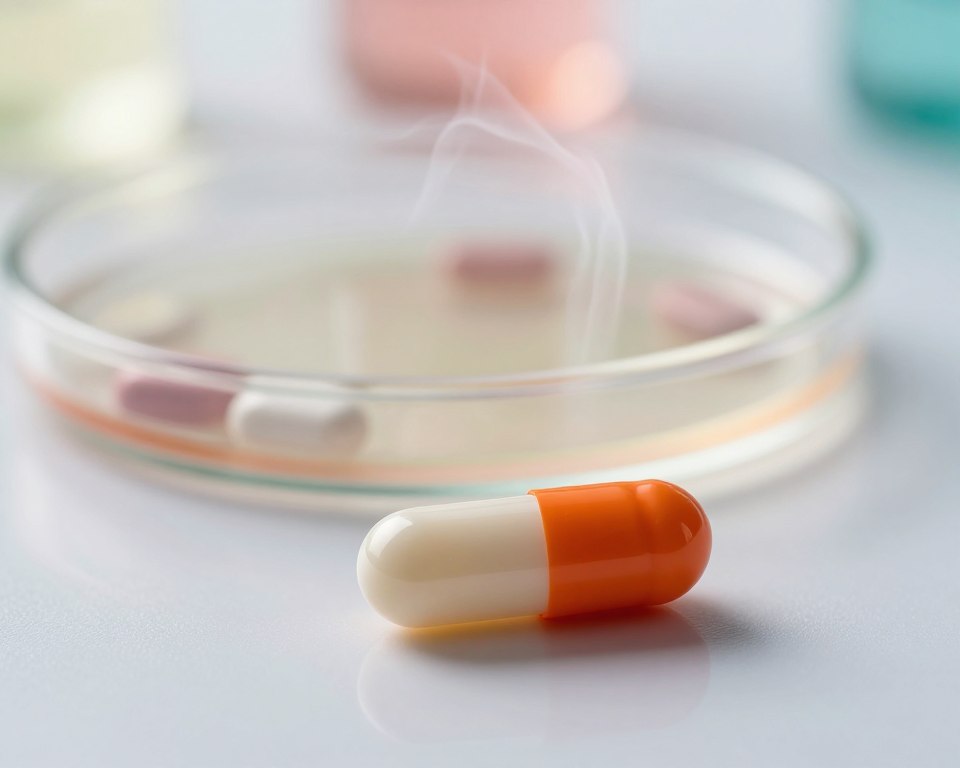
Amoxicillin is a type of penicillin antibiotic. It works by stopping bacteria from making their cell walls. Bacteria need a strong cell wall to keep their shape and protect themselves.
When amoxicillin is around, it blocks the proteins needed for cell wall building. This makes the cell wall unstable. The bacteria then burst, or lyse, and die. This method is very effective against many bacteria, as long as the drug gets to the infection site in the right amount.
“The dose makes the poison, but in the case of antibiotics, the dose also makes the cure.”
The Importance of Completing the Full Course
Keeping the drug levels in the body steady is key for amoxicillin medication effectiveness. If the drug levels get too low, some bacteria might survive. These survivors can then become resistant to the drug, making the infection come back.
Finishing the full treatment is essential to kill all bacteria. Stopping the drug too soon, even if symptoms get better, lets surviving bacteria come back. It’s very important to follow the treatment plan exactly as prescribed. This ensures a complete recovery and stops resistant bacteria from growing.
Why is My Amoxicillin Not Working After 3 Days?
Many people wonder, “Why is my amoxicillin not working after 3 days?” It’s normal to want quick relief when starting medication. But, getting better often takes time, not just a few days.
Typical Timeline for Symptom Improvement
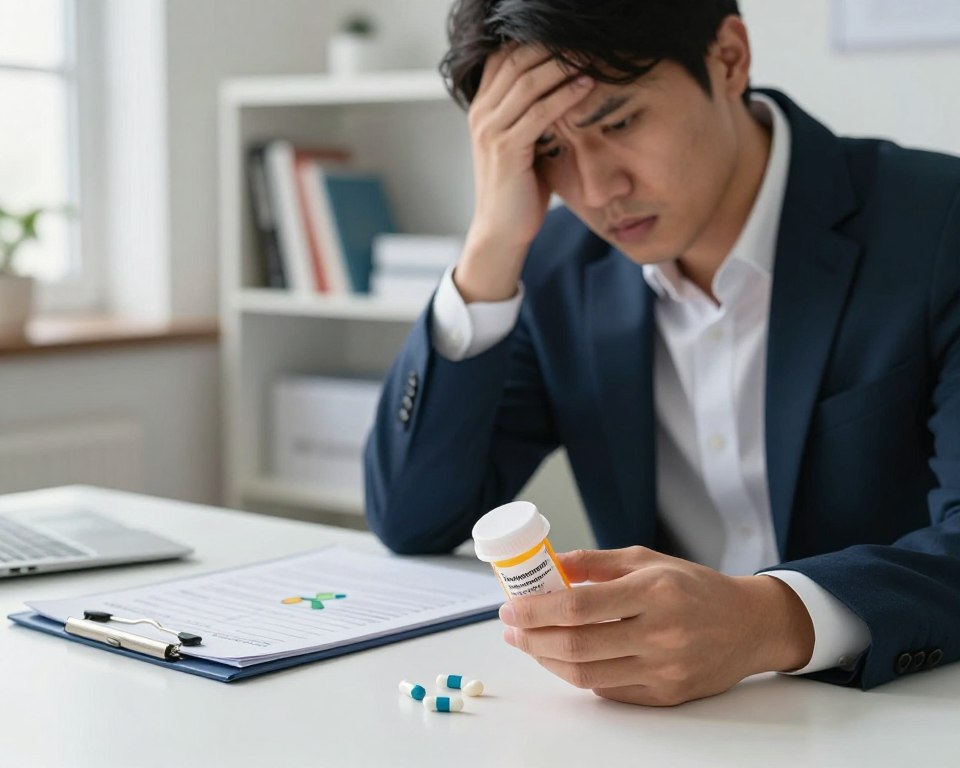
Usually, symptoms start to get better in 48 to 72 hours after starting antibiotics. This time lets the medicine work in your body and stop bacteria from growing. For more details, check out this amoxicillin guide.
Consistency is key in the first few days. Stopping too soon can make the infection come back. Always watch how you’re feeling and tell your doctor if you don’t get better.
Distinguishing Between Viral and Bacterial Infections
When amoxicillin not effective, it might mean you have a viral infection. Antibiotics only work on bacteria, not viruses like the common cold or flu.
Misidentifying the infection source can lead to wrong antibiotic use. If you’re not getting better after three days, it’s likely a virus. You need a doctor to figure out what’s wrong and treat it right.
The Growing Threat of Antibiotic Resistance
Antibiotic resistance is a big problem for public health. It makes drugs like amoxicillin less effective. Bacteria are getting better at surviving when we use these medicines.
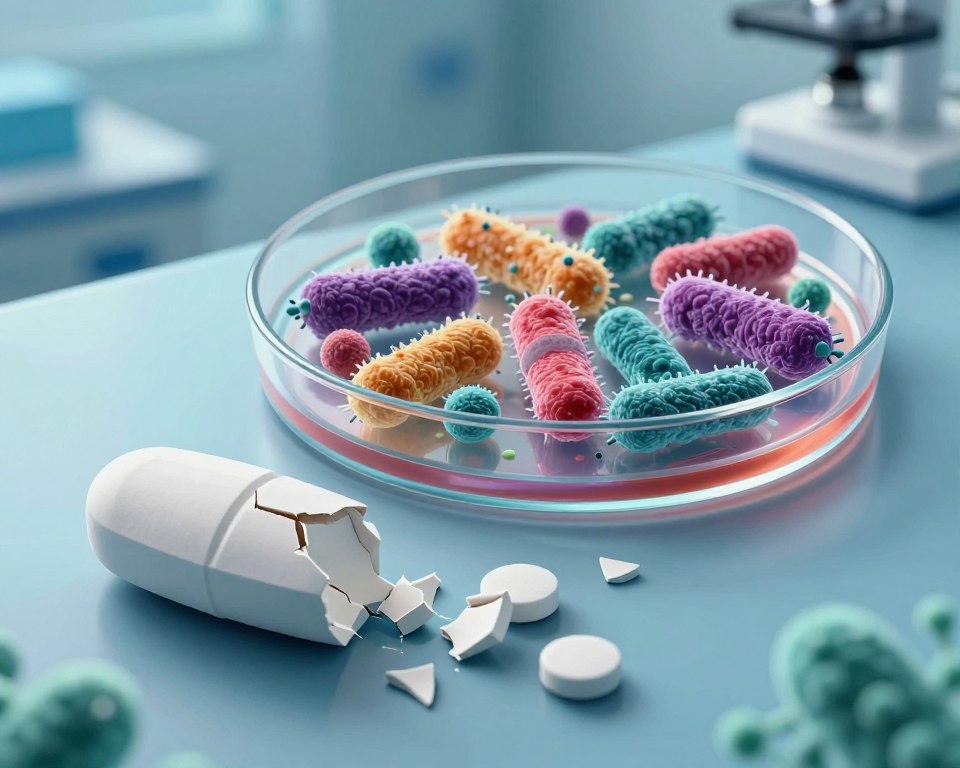
Some people might feel bad while taking antibiotics, like severe stomach cramps. But it’s important to know if it’s just a side effect or if the treatment isn’t working. True resistance happens when bacteria change to avoid the drug’s effects.
How Bacteria Develop Defense Mechanisms
Bacteria find ways to survive when we use antibiotics. Natural selection plays a big role. Only the strongest bacteria survive and then multiply, passing on their resistance.
Another key factor is horizontal gene transfer. This lets bacteria share genes, even between different types. By sharing genes, bacteria can quickly become resistant to new drugs, making amoxicillin resistance a big challenge for doctors.
The Role of Over-Prescribing in Resistance
Using antibiotics too much helps bacteria evolve faster. When we use them for things they shouldn’t treat, like viruses, it puts pressure on bacteria. This makes them adapt to the drug, even when it’s not needed.
Using antibiotics too much is a big problem. Doctors want to use them only when it’s really needed. This helps keep antibiotics working for the future. Responsible antibiotic stewardship is key to keeping treatments effective.
Common Reasons for Amoxicillin Treatment Failure
Amoxicillin treatment failure often comes from wrong diagnoses or how patients act. If a patient doesn’t get better after a few days, it’s important to find the real cause. Studies show that in 30% to 50% of cases, the first diagnosis or treatment time might be wrong.
Incorrect Diagnosis of the Underlying Pathogen
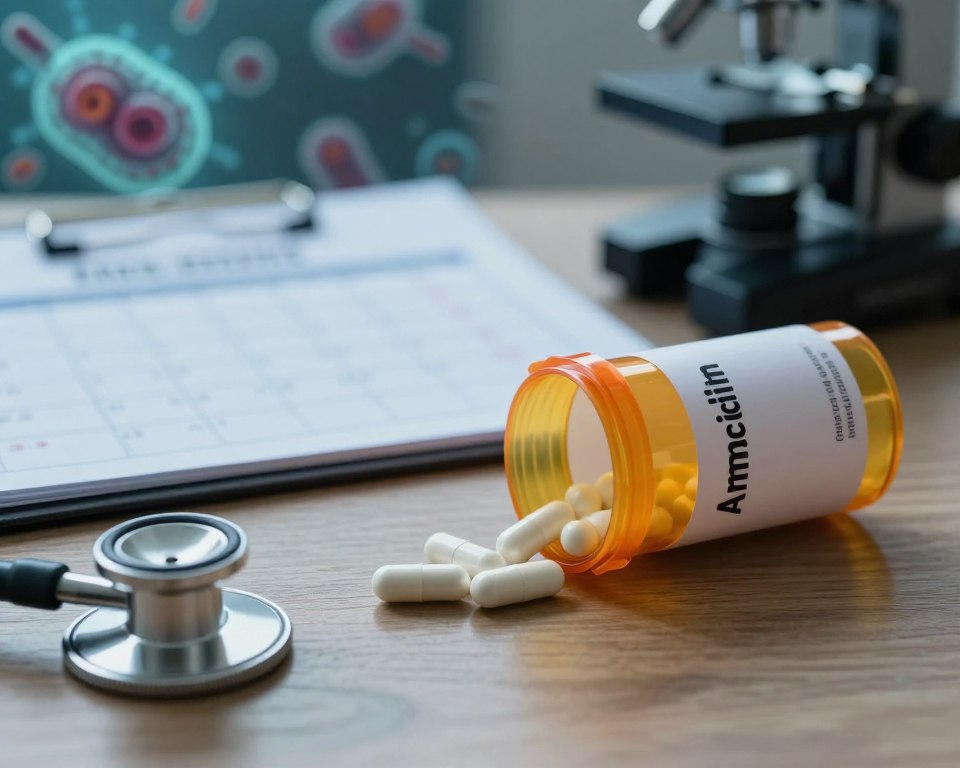
The main reason for amoxicillin treatment failure is when the antibiotic doesn’t match the pathogen. Amoxicillin works on certain bacteria but not viruses. If a doctor mistakes a viral illness for a bacterial one, the treatment won’t work.
Inadequate Dosage or Duration for Specific Infections
Getting the right dose is key to fighting infections. If the dose is too low, the drug might not kill all bacteria. This can lead to resistant bacteria. Also, stopping treatment too soon can let bacteria come back.
Patient Non-Compliance and Missed Doses
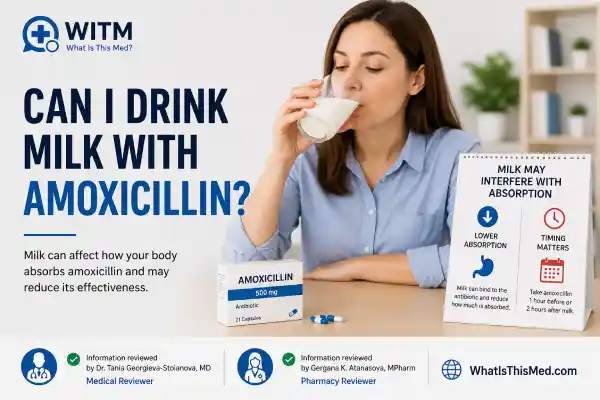
Sticking to the treatment plan is vital. Missing doses can mess up the drug’s levels in the blood. This is more important than what you eat, like drinking milk with amoxicillin. Not finishing the treatment as told is a big reason for amoxicillin treatment failure.
| Factor | Primary Impact | Clinical Consequence |
|---|---|---|
| Diagnostic Error | Targeting wrong pathogen | No symptom resolution |
| Subtherapeutic Dosing | Incomplete bacterial kill | Risk of mutation |
| Missed Doses | Fluctuating drug levels | Treatment relapse |
| Shortened Duration | Premature cessation | Recurrent infection |
When to Seek Immediate Medical Attention
If your antibiotic not working as expected, watch for red flags. Some minor side effects are normal, but no improvement after three days means the antibiotic isn’t working. Staying vigilant is key to avoiding serious problems.

Identifying Signs of Worsening Infection
Not getting better is a big warning sign. If your fever gets worse or pain spreads, call your doctor right away. Increased swelling, warmth, or redness around the infection site also means the bacteria aren’t responding.
Don’t ignore it if your antibiotic not working causes new symptoms. Feeling much worse than before is a clear sign to seek help. Early intervention can stop a small infection from becoming a big health problem.
Systemic Symptoms Requiring Emergency Care
Some symptoms mean you need emergency care. If you have difficulty breathing, chest pain, or feel like you’re going to pass out, get help fast. These signs mean the infection might be affecting your vital organs or causing a severe allergic reaction.
Confusion, extreme tiredness, or trouble keeping fluids down are also serious signs. If your antibiotic not working and you’re experiencing these symptoms, don’t wait for a doctor’s appointment. Prioritize your safety and go to the emergency room if you have any of these conditions.
| Symptom Category | Monitor at Home | Seek Emergency Care |
|---|---|---|
| Respiratory | Mild cough | Shortness of breath |
| Mental State | Feeling tired | Confusion or fainting |
| Physical Pain | Localized soreness | Severe chest pain |
| Infection Site | Slow improvement | Rapidly spreading rash |
Diagnostic Procedures to Identify Resistant Bacteria
If your symptoms don’t get better after a few days, your doctor might do more tests. They look for the exact bacteria causing your illness. This helps figure out if amoxicillin resistance is why your treatment isn’t working.
The Role of Bacterial Cultures and Sensitivity Testing
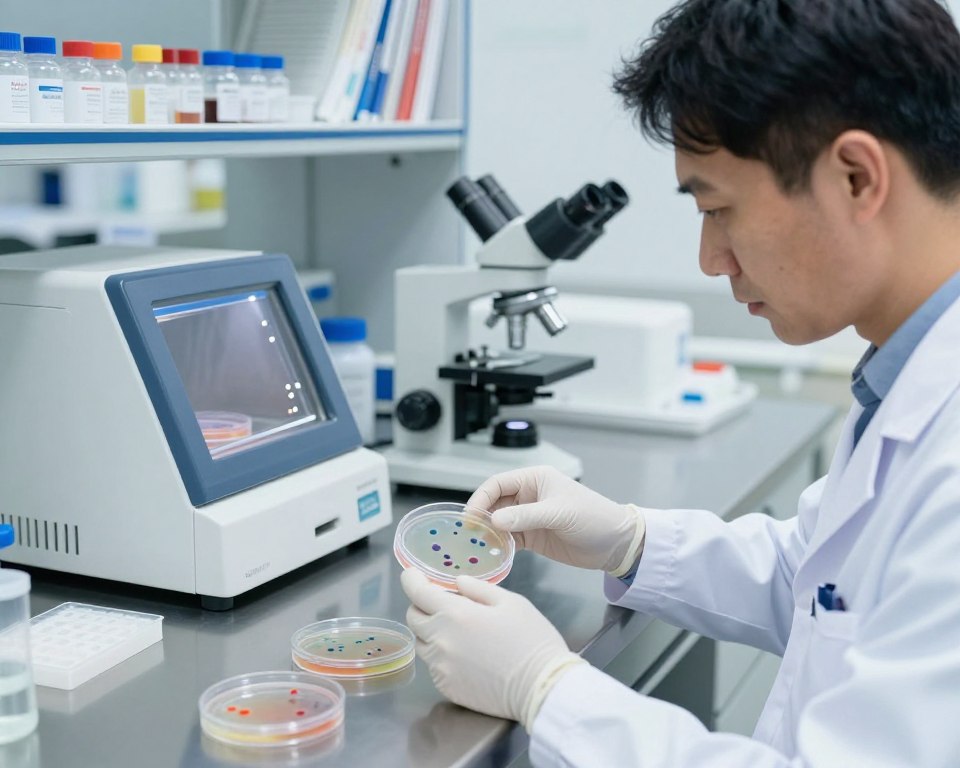
Bacterial cultures help confirm an infection. A doctor takes a sample, like a throat swab, and grows the bacteria. Then, the lab tests which medicines work best against them.
This test shows how well bacteria react to different drugs. It tells if the bacteria can fight off common antibiotics. Knowing this helps doctors choose the right treatment for you.
Why Your Doctor May Switch Antibiotics
Doctors might change antibiotics if the first one doesn’t work. This choice is based on lab results. If the bacteria are resistant to amoxicillin, using it again could harm you.
Switching to a new antibiotic helps fight the infection in a way the bacteria can’t resist. Your doctor picks the best medicine based on lab tests. Professional guidance is key to safely getting better.
The Impact of Biofilms on Treatment Efficacy
Biofilms are a big problem in medicine. They make it hard for treatments like bacterial infection not responding to amoxicillin to work. These are groups of bacteria that stick together and grow on surfaces in our bodies.
These bacteria make a sticky, protective layer. This layer acts like a shield, keeping the bacteria safe from our immune system and medicines.

How Biofilms Protect Bacteria from Antibiotics
The main issue with biofilms is their thickness. When you take amoxicillin, it has to get past the slimy, extracellular matrix to reach the bacteria inside.
Often, the antibiotic can’t get through the biofilm’s outer layers. So, the bacteria stay safe and can survive even when the drug is in the blood.
This means the bacterial infection not responding to amoxicillin isn’t always because the bacteria are resistant. It’s often because the drug can’t reach the bacteria. The biofilm stops the antibiotic before it can harm the bacteria.
Clinical Challenges in Treating Chronic Infections
Dealing with infections that have biofilms is very hard for doctors. These infections can last a long time, causing chronic or recurrent symptoms that are frustrating for everyone.
Short treatments with antibiotics usually don’t get rid of these biofilms. Doctors might have to try longer treatments or use special agents to break up the biofilm.
If your symptoms don’t get better, talk to your doctor about it. They might need to do special tests to see if a biofilm is making your treatment harder.
Lifestyle Factors Influencing Immune Response
Keeping your body in top shape can boost how well treatments work. Your daily habits help your immune system fight off infections. A steady routine keeps amoxicillin medication effectiveness strong during recovery.
Supporting Your Body During Antibiotic Therapy
Rest is key to getting better, but it’s often ignored. Your body needs lots of energy to fight off infections and repair itself. Getting enough consistent sleep and avoiding too much stress helps your body heal.
Watching how your body reacts to treatment is also important. If you feel very tired or don’t see any improvement, talk to your doctor. Keeping a symptom journal can help your doctor see how you’re doing.
The Role of Nutrition and Hydration
Eating right gives your immune system what it needs to stay strong. A diet full of vitamins and minerals helps your body fight off infections. Drinking plenty of water is also key to getting rid of toxins and keeping your mucous membranes healthy.
Antibiotics can upset the balance of good bacteria in your gut. Eating foods with probiotics can help fix this and improve your digestion. Here are some nutrition tips to help you recover.
| Nutrient Category | Recommended Sources | Primary Benefit |
|---|---|---|
| Probiotics | Yogurt, Kefir, Sauerkraut | Restores gut flora balance |
| Hydration | Water, Herbal Tea, Broth | Supports systemic circulation |
| Fiber | Whole grains, Vegetables | Promotes healthy digestion |
| Protein | Lean meats, Legumes | Aids tissue repair |
By focusing on these lifestyle areas, you help your body fight off infections better. Making small, consistent changes in your diet and rest can make a big difference in how fast you get better.
Potential Side Effects vs. Treatment Failure
It’s important to know the difference between a drug reaction and amoxicillin treatment failure. Many people worry when they get new symptoms while taking antibiotics. But, many changes are just side effects, not a sign that the treatment is failing.

Distinguishing Drug Reactions from Persistent Infection
A drug reaction, like a mild rash or nausea, means your body is reacting to the medicine. On the other hand, persistent infection means your symptoms don’t get better. If your main symptoms don’t improve after three days, talk to your doctor about amoxicillin treatment failure.
Watching how you feel is key. If you’re feeling better but have some minor issues, the antibiotic is probably working. But, if things get worse, it might mean the bacteria are resistant or you need a different treatment.
Managing Gastrointestinal Distress During Treatment
Antibiotics can upset your stomach because they change the balance of good bacteria. This is a common side effect and doesn’t mean the treatment has failed. You can help by drinking lots of water and eating foods with probiotics, like yogurt.
If you have severe diarrhea or dehydration, call your doctor right away. These could be signs of a C. difficile infection, which needs medical help. Always tell your doctor if your digestive health changes a lot.
| Symptom Type | Common Side Effect | Sign of Treatment Failure |
|---|---|---|
| Digestive | Mild nausea or bloating | Severe, persistent diarrhea |
| Systemic | Fatigue | High, spiking fever |
| Local | Minor skin irritation | Worsening site-specific pain |
| Duration | Short-term discomfort | No improvement after 72 hours |
The Dangers of Self-Medicating with Leftover Antibiotics
Using leftover antibiotics can harm your health. It might seem easy to reuse old meds, but it can make things worse. Always remember, never save or share doses of antibiotics. Each illness needs its own treatment plan.
Risks of Using Expired or Incorrect Medications
Medicines for different times or conditions are risky. Antibiotics target specific bacteria. Using the wrong one means your antibiotic not working right. Plus, old meds can lose strength or change in harmful ways.
Old drugs might not fight infections well, letting bacteria grow. This can lead to unexpected side effects, like black hairy tongue. Relying on old pills can make you feel safe but doesn’t fix the real problem.
Why Professional Guidance is Non-Negotiable
Doctors are key because symptoms can look the same for viruses and bacteria. Treating a viral infection with antibiotics is a mistake. This messes with your body’s natural balance without helping.
If your antibiotic not working, see a doctor, not just grab old meds. A doctor will check if you need something else. Prioritizing professional advice means you get the right treatment. This is the only safe way to fight an infection and avoid future health issues.
Medical Review and Professional Standards
Every article we publish is reviewed by licensed medical experts. We take health information very seriously. Our team makes sure all content is backed by the latest medical research.
Our Commitment to Clinical Accuracy
We follow strict standards to ensure the information is accurate and safe. Our content is written by a licensed Master Pharmacist. It then gets reviewed by another Master Pharmacist.
Also, a practicing physician checks the clinical data. This ensures it meets professional standards.
This content is for general information only. If you think amoxicillin not curing infection, it can’t replace a doctor’s diagnosis. We offer these protections:
- Evidence-based clinical profiles and dietary guidelines.
- Independent verification by licensed medical practitioners.
- Regular updates to reflect the latest medical consensus.
Understanding the Role of Pharmacists and Physicians
Pharmacists and physicians working together is key for safe care. Our team provides educational resources. But we can’t give personalized treatment plans or medical advice.
If you think amoxicillin not curing infection, get professional help right away. A healthcare provider can do the needed tests. Getting medical advice is the safest way to manage your health.
Image Disclosure and Educational Limitations
We are committed to patient safety and transparency in our visual content. We believe that clear, accessible information helps users understand their treatment options. For example, amoxicillin is used for bacterial infections.
Purpose of Visual Aids in Medical Content
Visual aids are key to making complex clinical data easy to understand. They simplify biological processes, helping readers see how medications work at a cellular level.
We aim to improve medical literacy without using too much technical jargon. Our visuals support the text, not distract from it.
“Visual communication in healthcare is not merely about decoration; it is a vital bridge that transforms abstract clinical concepts into actionable knowledge for the patient.”
Disclaimer Regarding AI-Generated Illustrations
Some images on our platform are AI-generated or digitally enhanced. It’s crucial to know these illustrations are for educational purposes only.
These images should never be used for self-diagnosis or as a medical substitute. Always talk to a doctor or pharmacist if you have health concerns.
| Feature | Educational Illustration | Clinical Diagnostic Image |
|---|---|---|
| Primary Goal | Conceptual Understanding | Medical Diagnosis |
| Accuracy | Schematic/Simplified | High-Fidelity/Real-Time |
| Usage | Patient Education | Clinical Assessment |
| Source | Digital/AI-Assisted | Laboratory/Imaging Tech |
Navigating the Healthcare System for Persistent Symptoms
Discovering a bacterial infection not responding to amoxicillin can worry you. Getting the right help is key. If you’re unsure, you can reach out for professional guidance to help you.
Preparing for Your Follow-Up Appointment
Being prepared makes your follow-up visit more effective. Keep a detailed log of your symptoms. Note any changes or new issues.
Bring your original prescription and any supplements you’re taking. Describe how you’ve been taking your medication, including any missed doses. This helps your doctor figure out if the problem is drug resistance or a wrong diagnosis.
Questions to Ask Your Healthcare Provider
Don’t be shy to ask your doctor questions. Ask if you need a different antibiotic or if more tests are needed. If your clinic is closed, Virtual Urgent Care can help with minor issues.
Use this table to organize your concerns and understand what care you need.
| Symptom Severity | Recommended Action | Expected Response Time |
|---|---|---|
| Mild/Stable | Schedule routine follow-up | 24-48 hours |
| Moderate/Persistent | Virtual Urgent Care visit | Same day |
| Severe/Systemic | Emergency Department | Immediate |
Always confirm your next steps after your appointment. Ask your doctor when to go to the emergency room. Being an active participant in your care is the best way to tackle a bacterial infection not responding to amoxicillin.
Conclusion
Clear communication between patients and doctors is key to recovery. If amoxicillin doesn’t work after 72 hours, call your doctor right away. This is a sign that your treatment needs a check-up.
Doctors stress the importance of finishing all antibiotics. Stopping early can lead to bacteria that won’t respond to medicine. Always take your medication as directed by your doctor or pharmacist.
Your health is at risk if you try to diagnose yourself. If amoxicillin doesn’t help, tests can find the cause of your illness. Trust your healthcare team to give you the right medicine. Keep talking to your doctors to stay healthy.
FAQ
Why is My Amoxicillin Not Working After 3 Days?
You might start feeling better in 48 to 72 hours as the antibiotic works. But, if you don’t see any improvement after three days, it could be a viral infection. Or, the bacteria might be resistant to amoxicillin. Sometimes, it just takes longer for your body to get rid of the infection.
What are the primary signs of amoxicillin treatment failure?
If your infection doesn’t get better, it’s a sign of treatment failure. Look for a fever that won’t go away, pain that gets worse, or swelling that spreads. If you have trouble breathing or feel very tired, you need to see a doctor right away.
Could amoxicillin resistance be the reason my infection isn’t clearing?
Yes. Bacteria can become resistant to amoxicillin. If this happens, the usual dose won’t work. Your doctor might need to give you a different antibiotic or a combination like Augmentin.
Is my amoxicillin medication effectiveness reduced if I miss a dose?
Taking amoxicillin regularly is key. If you miss a dose, the drug levels in your blood drop. This makes the antibiotic less effective and can even help bacteria become resistant.
Why is amoxicillin not curing infection when the diagnosis was bacterial?
Even with a correct diagnosis, treatment can fail. Biofilms, protective barriers made by bacteria, can block the antibiotic. Also, if the dose or treatment time is not right, the infection might not clear up.
How can a doctor determine why amoxicillin is not effective for me?
Doctors use tests to find out why amoxicillin isn’t working. They check the bacteria and see which antibiotics can kill it. If amoxicillin doesn’t work, these tests help the doctor choose a better treatment.
What should I do if I suspect my antibiotic is not working?
Don’t stop taking your antibiotic or change the dose without talking to your doctor. Call your healthcare provider to discuss your symptoms. Tell them about your fever and any side effects, like stomach problems, so they can decide what to do next.
Are there lifestyle factors that can help if amoxicillin is not effective immediately?
Your immune system needs support while you’re taking antibiotics. Drinking plenty of water and eating well is important. Taking a probiotic like Culturelle can also help keep your gut healthy, which is often affected by antibiotics.