

Did you know that nearly 5% of all clinical lab tests can be affected by common medicines? Many think lab tests are always right, but some substances can cause wrong results.
As a pharmacist, I often talk about if antibiotics like amoxicillin can affect test results. It’s key to know how these medicines work with lab tests for anyone dealing with health checks.
Most antibiotics don’t mess with lab tests, but some situations need extra attention. Knowing how medicines react with lab gear helps you feel more sure about your health tests. This guide gives you the facts to tell real health issues from lab mistakes.
Key Takeaways
- Most common antibiotics do not interfere with standard drug screenings.
- Biochemical cross-reactivity remains a rare but documented phenomenon in clinical labs.
- Proper documentation of your current medication list is vital before any screening.
- Pharmacists serve as a primary resource for verifying possible substance interactions.
- Understanding the limits of diagnostic technology helps lessen worry during tests.
Understanding the Pharmacology of Amoxicillin
Looking into the amoxicillin pharmacology helps us understand test results better. It’s a penicillin type drug used to fight many bacterial infections. Knowing how it works in our bodies helps us see why some test results need a closer look.
Mechanism of Action in Bacterial Infections
Amoxicillin stops bacteria from making their cell walls. It does this by binding to enzymes called penicillin-binding proteins.
This action blocks the bacteria’s ability to build a strong cell wall. Without it, the bacteria can’t survive. This is why amoxicillin is a key antibiotic today.
Metabolism and Excretion Pathways
After we take amoxicillin, it doesn’t change much in our body. Most of it stays active as it moves through our blood.
The kidneys are the main way we get rid of it. Because amoxicillin is mostly unchanged, it builds up in our urine. This is important because it can affect some lab tests.
The Science Behind Urine Drug Screening
Immunoassay technology is key in drug testing because it’s fast and cheap. It lets labs test many samples quickly and affordably. But, these tests are not perfect and can be wrong due to medication interference in drug tests.
How Immunoassay Testing Works
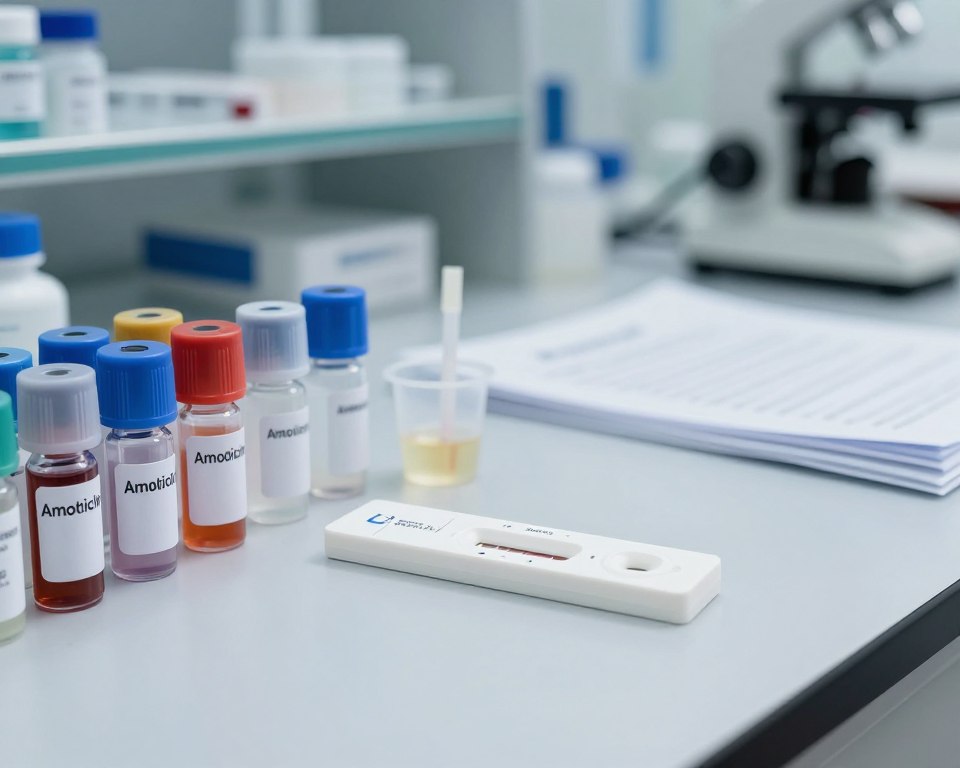
Immunoassay uses antibodies to find drugs in urine. These antibodies stick to specific drugs or their byproducts.
When urine meets the test, the antibodies bind to drugs if they’re there. This binding causes a signal, like a color change, showing a presumptive positive result.
“Immunoassays are highly sensitive tools for initial screening, but they lack the molecular specificity required to distinguish between structurally similar compounds.”
Common Targets in Standard Urine Panels
Standard panels, like the “SAMHSA-5,” check for five main drug types. These are amphetamines, cannabinoids, cocaine, opiates, and phencyclidine.
Even though these panels work well, they can be wrong. This happens when a drug you’re taking looks like a drug the test is looking for, causing a false positive.
- Amphetamines: Can react with some decongestants or antidepressants.
- Opiates: May trigger false positives from certain cough medicines or foods.
- Benzodiazepines: Can show false positives from some anti-anxiety or muscle relaxant drugs.
Knowing how these tests work helps everyone understand their results better. These tests are very good at catching drugs but can also give false positives.
Can Amoxicillin Cause False Positive Urine Tests?
When you take a urine drug test, you might worry about your antibiotics affecting the results. Many people think common medicines could lead to wrong test results. But, the good news is that most tests are designed to avoid this problem.
Drug tests are made to be specific and not get confused by everyday medicines. This is important when looking at antibiotics and urine tests. Not all drugs react the same way with testing technology.

Analyzing Cross-Reactivity in Laboratory Assays
Lab tests look for specific molecules in your urine. Some medicines might look like these molecules, but amoxicillin doesn’t. So, it’s unlikely to cause a false positive.
But, some antibiotics might cause problems with older tests. For example, fluoroquinolones, rifampin, and some beta-lactamase inhibitors might interfere. These cases are rare and mostly happen with older tests.
Modern labs use better technology to avoid these mistakes. This makes it much less likely for errors to happen.
Distinguishing Between Antibiotics and Controlled Substances
Drug tests aim to find specific illegal substances. Amoxicillin is a type of antibiotic that’s very different from illegal drugs. This means amoxicillin and drug screening are two separate things in lab tests.
If a test seems off, labs will do a more detailed test. This confirmatory testing helps make sure the results are right. You can trust that your antibiotics won’t be mistaken for illegal drugs in a proper test.
Common Medications That Trigger False Positives
Many people are surprised to find out that some medicines can cause false positive results in drug tests. It’s not just antibiotics. Lots of common drugs can lead to these mistakes. Knowing which ones can help make sure tests are accurate.
“I frequently advise patients to review their entire medication list with their healthcare provider before undergoing any screening to prevent unnecessary complications.”
Classes of Drugs Known for Interference
Some medicines, both prescription and over-the-counter, are known to cause false positive urine tests. For example, SSRIs like sertraline and fluoxetine can make it seem like you’ve taken benzodiazepines or LSD.
Other common culprits include:
- NSAIDs: Some anti-inflammatory drugs might look like barbiturates in tests.
- Cough Suppressants: Dextromethorphan in cold medicines can show up as opioids.
- Decongestants: Cold remedies can have compounds that look like amphetamines in basic tests.
Why Some Antibiotics Mimic Opioids or Amphetamines
These errors happen because of how the body breaks down drugs. The byproducts can look like the drugs being tested.
Immunoassay tests use antibodies to find specific drugs. If a drug’s byproduct looks similar, the test might show a false positive result in drug test. This isn’t the patient’s fault, but a problem with the test’s design.
These tests are fast but not always right. Doctors need to know about all the medicines a patient takes. This helps them understand unexpected test results. Getting help from a doctor is the best way to deal with these issues.
Clinical Scenarios Where Testing Errors Occur
Laboratory results can be affected by many things, not just the presence of substances. While some worry about medication interference in drug tests, other factors like environment and body state often play a bigger role. Knowing this helps us understand why results might not always be straightforward.
The Role of Laboratory Sensitivity and Specificity
Every test is made to have certain levels of sensitivity and specificity. Sensitivity means it can find a substance correctly. Specificity means it can ignore other substances. If a test is very sensitive but not specific, it might find things it shouldn’t.
Doctors have to make sure tests are reliable. When tests are pushed too hard, they might react to things they shouldn’t. That’s why standardized collection protocols are key to keeping tests accurate.
Impact of Dehydration and Urine Concentration
How hydrated you are changes your urine’s chemistry. If you’re dehydrated, your urine gets very concentrated. This can make some substances show up in tests even if they shouldn’t.
On the other hand, too much water can make urine too diluted. This can make tests miss substances that are there. It’s important to collect urine samples correctly to avoid these problems and make sure medication interference in drug tests doesn’t confuse the results.
Diagnostic Procedures for Confirming Results
When a urine drug screen shows a positive result, it’s just the first step. Many tests are done quickly, which can sometimes cause false positives. To get accurate results, it’s often necessary to do more tests to check the sample’s true makeup.

Gas Chromatography-Mass Spectrometry (GC-MS) Explained
The best way to confirm a result is through Gas Chromatography-Mass Spectrometry, or GC-MS. It breaks down a urine sample into its chemical parts. Then, it uses a mass spectrometer to identify each molecule by its mass and charge.
This method gives a detailed molecular fingerprint of what’s in the sample. It can tell the difference between drugs and antibiotics. That’s why labs use it to clear up any confusion from initial tests.
Why Confirmatory Testing is the Gold Standard
Confirmatory testing is the top choice because it’s clear and accurate. While initial tests are good for a quick check, they can’t tell similar substances apart. Choosing to undergo confirmatory testing means your results are solid and reliable.
If you think your first test was wrong, ask for a second test right away. It’s important to keep drug testing accuracy with amoxicillin high in work and health settings. A GC-MS or HPLC test can fix mistakes and show your true health status.
Communicating with Healthcare Providers About Medications
Telling your healthcare team about all your medications is key for accurate drug screening results. Talking openly with your doctors helps avoid mix-ups in lab tests. This way, your medical history is clear before any tests are done.
Disclosing Antibiotic Use Before Screening
It’s important to tell the test center about all your medications, including antibiotics like amoxicillin. Knowing how amoxicillin and drug screening work can make you feel more at ease.
If you have side effects or worries about your meds, learn more about managing side effects. Always give the testing staff a full list of your meds. This helps the lab spot any possible issues before they report your results.
Documenting Prescriptions for Medical Review Officers
The Medical Review Officer (MRO) is key in checking your test results. If a test shows you might have used a drug, the MRO will call you. Having your prescriptions ready makes this process quicker and more accurate.
Keep your prescriptions, including dosage and how long you’ve been taking them, in a safe place. This proof of your medical needs helps the MRO understand your situation better.
| Documentation Type | Purpose | Benefit |
|---|---|---|
| Prescription Bottle | Verification of dosage | Immediate proof of use |
| Pharmacy Records | History of refills | Confirms adherence |
| Doctor’s Note | Clinical justification | Clarifies medical necessity |
Keeping your medical records in order protects your rights and ensures accurate amoxicillin and drug screening results. Always communicate clearly to avoid any problems.
Potential Side Effects and Interactions of Amoxicillin
Amoxicillin is a common antibiotic. It’s important to know about its safety. While it’s usually safe, it can sometimes cause side effects that look like other health issues. Knowing the difference is key.

Gastrointestinal and Systemic Reactions
The most common amoxicillin side effects are in the stomach. People often feel nauseous, vomit, or have diarrhea early on. This is because the antibiotic changes the gut’s bacteria balance.
These stomach problems might seem like other health issues. Drinking plenty of water helps while you’re taking the medicine. If the symptoms get worse or last too long, see a doctor.
Interactions with Other Common Medications
Amoxicillin can also react with other medicines. It’s important to watch closely when taking it with blood thinners. Some antibiotics might also make birth control less effective.
“Effective medication management relies on open communication between the patient and their clinical team regarding all concurrent therapies and physical symptoms.”
Here’s a table with things to keep in mind when taking this antibiotic:
| Category | Common Observation | Clinical Action |
|---|---|---|
| Gastrointestinal | Mild nausea or diarrhea | Monitor and hydrate |
| Anticoagulants | Altered clotting times | Adjust monitoring frequency |
| Contraceptives | Potential reduced efficacy | Use backup protection |
| Systemic | Rare allergic rash | Seek immediate care |
Always check your medicines with a pharmacist. This helps avoid problems with amoxicillin side effects and helps you get better faster.
Navigating Workplace and Legal Drug Testing Policies
Many workplaces use drug testing, but mistakes can happen. This can lead to false positive results in drug tests. If this happens to you, stay calm and know your rights. Understanding your rights is key to a fair review of your test results.
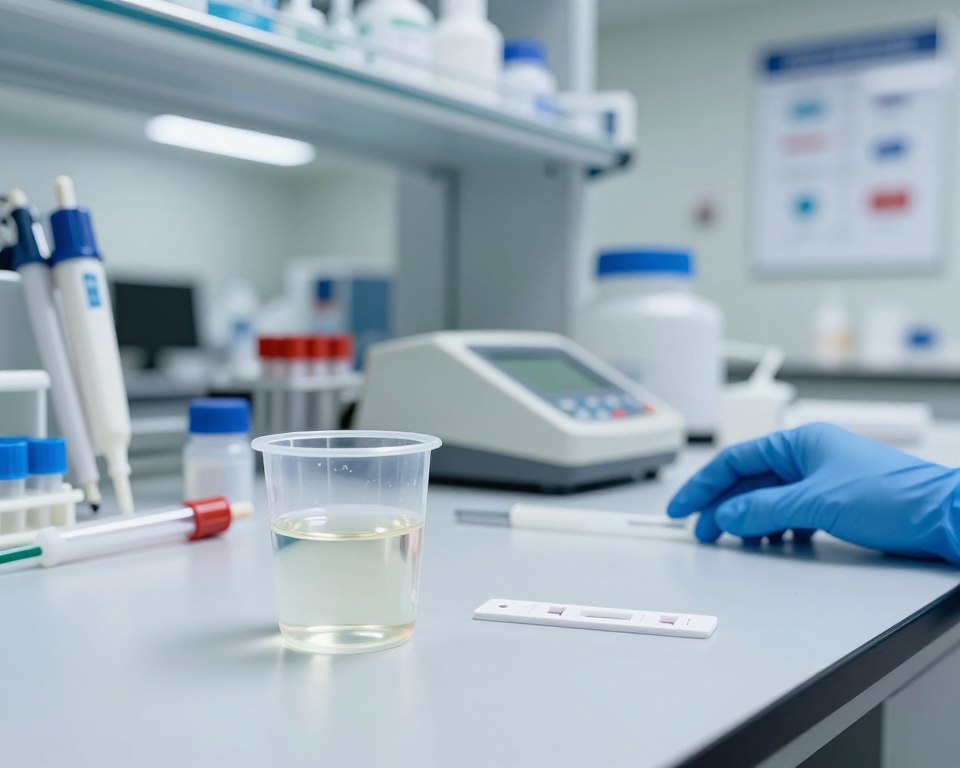
Rights of the Employee During Testing
Employees have the right to accurate and clear drug testing. If you think your test is wrong, you can ask for a second check. This second check is done by a Medical Review Officer (MRO) who checks the test results with your employer.
You also have the right to share info about any meds you’re taking. Some meds, like those in guides on medications linked to false positive cocaine, can cause false positives. Sharing this info early can help avoid big problems later.
Steps to Take After a Disputed Result
If you get a positive test result that you think is wrong, act fast and be professional. The right steps can protect your job and reputation.
- Notify your employer right away that you plan to dispute the result.
- Ask for a copy of the lab report to check the substances found.
- Reach out to the Medical Review Officer to talk about your meds and health history.
- Collect all medical records, like pharmacy receipts and doctor’s notes, to support your case.
- Request that the rest of your urine sample be tested at a different, certified lab for confirmatory testing.
By taking these steps, you make sure your case is handled carefully. Keeping in touch with your employer is key to getting a fair outcome for false positive results in drug tests.
Medical Review Statement and Professional Guidance
Knowing who to ask about your health is as important as the question itself. This article was made by licensed Master Pharmacists and checked by a doctor. We aim to help patients make smart choices about their health and safety with medications.
Understanding the Scope of Medical Advice
The information on this platform is for general knowledge only. It’s not a substitute for personal medical advice or treatment plans. If you have a condition like urinary tract infections, follow your doctor’s specific advice.
Remember, this content doesn’t replace your healthcare team’s advice. Always talk to your doctor or pharmacist before changing your medication. They consider your medical history to assess risks.
Importance of Consulting Licensed Pharmacists
Licensed pharmacists are key for understanding amoxicillin and its interactions. If amoxicillin side effects worry you, your pharmacist can help. They know how drugs work in the body and can advise on false positives.
The table below shows the difference between general info and professional advice:
| Feature | General Educational Content | Professional Clinical Consultation |
|---|---|---|
| Purpose | Broad awareness and safety tips | Individualized diagnosis and care |
| Scope | Standardized drug information | Personalized medical history review |
| Actionability | Provides context for questions | Direct treatment and prescription changes |
| Expertise | Verified by licensed professionals | Direct interaction with your provider |
Talking openly with your healthcare team keeps your amoxicillin use safe and effective. Always ask about amoxicillin side effects if you notice anything odd or have test concerns.
Image Disclosure and Educational Integrity
It’s important to know what images are used on this site. At WhatIsThisMed.com, we make sure to be clear about where our images come from. We want to keep our educational content trustworthy.
We mix professional photos with AI-generated illustrations to make our medical explanations clearer. These images help break down hard-to-understand medical ideas for our readers.
Purpose of AI-Generated Educational Visuals
We use digital images to make complex medical info easy to get. AI-generated visuals help show biological processes in a way that’s hard to picture.
These images are meant to help explain the text, not replace it. They make health information easier to understand for those looking to learn more about their health.
Limitations of Digital Illustrations in Self-Diagnosis
Remember, these images are not for diagnosing yourself. They offer context but should never be a replacement for a doctor’s visit.
Always trust the text-based clinical guidance in our articles for accurate health info. If you’re worried about your symptoms or test results, talk to a doctor.
| Visual Type | Primary Purpose | Diagnostic Capability |
|---|---|---|
| Professional Photography | Real-world context | None |
| AI-Generated Graphics | Conceptual simplification | None |
| Clinical Data Tables | Evidence-based reference | Informational only |
Best Practices for Accurate Laboratory Reporting
As a pharmacist, I tell patients that careful preparation is key to avoiding wrong lab results. When you get a screening, your sample’s quality is critical for accurate results. Knowing about antibiotics and urine tests helps you feel more confident.
Preparing for a Urine Analysis
Start by following all the instructions from your testing facility. You might need to skip certain foods, supplements, or herbal products before your test. These can mess with the chemicals used in the tests.
Keep a list of your medicines ready to share with the technician. Telling them about your meds early helps them understand your situation better. Being open is your strongest ally for accurate results.
“The accuracy of a laboratory report is only as good as the integrity of the sample provided and the transparency of the patient regarding their medication history.”
Ensuring Proper Sample Collection Techniques
The way you collect your sample is very important. Labs are trained to spot common contaminants like bleach or vinegar. These don’t hide drug use; they raise red flags for tampering.
To make sure your sample is good, follow these key steps:
- Wash your hands well before and after collecting the sample.
- Only use the provided sterile container to avoid contamination.
- Don’t add anything to the sample cup.
- Make sure the lid is tight to prevent spills or evaporation.
By doing these things, you lower the chance of a false positive. Good collection methods protect your rights and prevent problems with antibiotics and urine tests in your medical or professional history.
Conclusion
Amoxicillin usually doesn’t affect urine drug tests. This means you can take it without worrying about it messing up your test results. Knowing how amoxicillin works with drug tests can help you relax during screenings.
Lab experts use advanced tests to check results. They use things like gas chromatography-mass spectrometry to make sure tests are accurate. This way, they can tell if a test is wrong, keeping your medical records correct.
Talking openly with your doctor is key. Tell them about all the medicines you’re taking before a test. This helps keep your medical records up to date and accurate.
Be honest with your employer or testing place. Giving them the right info helps keep your job and health safe. You can handle this by sticking to the facts and talking clearly.
Can amoxicillin cause a false positive for cocaine or THC?
No, amoxicillin doesn’t cause false positives for cocaine or THC. Its structure is different from these drugs. False positives usually come from other meds or metabolic factors.
Will taking Amoxil show up as an opiate on a drug screen?
No, amoxicillin doesn’t cause false positives for opiates. It’s in a different class of antibiotics. While some antibiotics can interfere with opiate tests, amoxicillin is not one of them.
Should I tell the lab technician I am taking antibiotics and urine tests?
Yes, always tell the lab about your meds before a test. This helps the Medical Review Officer understand your results. It’s important for accurate testing.
How does drug testing accuracy with amoxicillin compare to other antibiotics?
Amoxicillin is generally safe for drug tests. It’s less likely to cause problems compared to other antibiotics. Most beta-lactam antibiotics are safe for testing.
Can amoxicillin side effects like dehydration affect my test result?
Yes, dehydration can affect your test results. If you’re dehydrated, your urine might be too concentrated. This can sometimes cause false positives, but it’s rare.
What is the best way to clear a false positive results in drug tests caused by medication?
The best way is to ask for a GC-MS test. This test can accurately identify drugs. It can tell the difference between amoxicillin and illegal substances.
Is amoxicillin and drug screening interference common in employment tests?
No, it’s rare. Amoxicillin is a common antibiotic, and if it caused false positives, labs would have changed their tests a long time ago.