
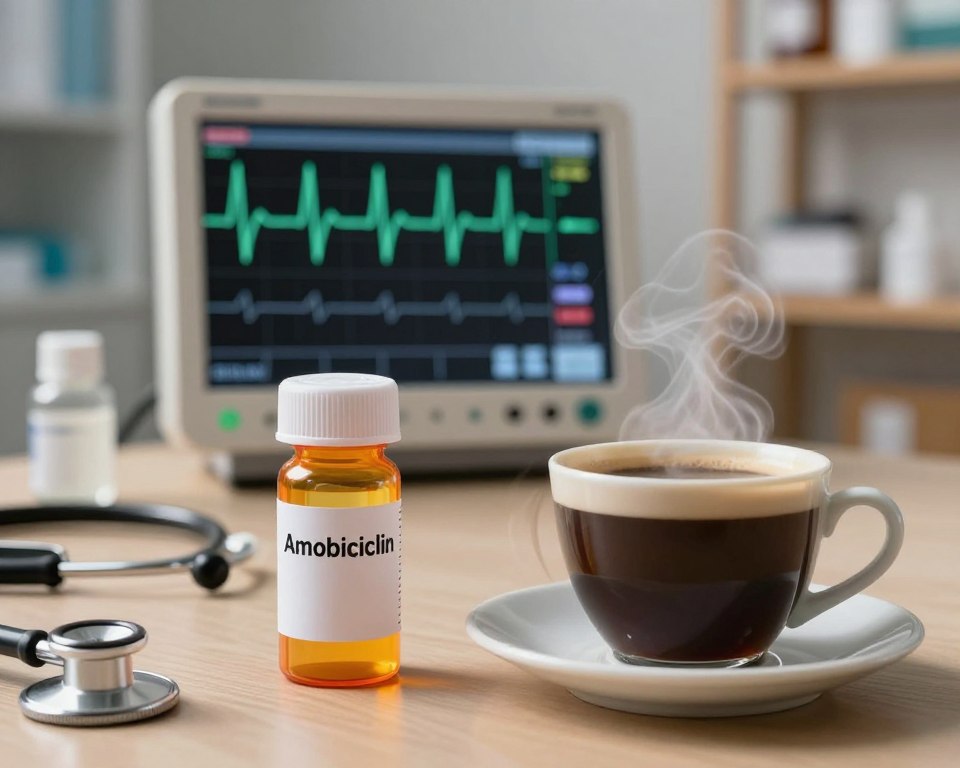
Last week, a patient came to my clinic feeling anxious. He was taking his meds for a sinus infection but felt his heart racing. We found out his morning espresso was the problem. This shows how Amoxicillin and Caffeine Jitters can happen during recovery.
Fighting a bacterial infection stresses your body a lot. Adding stimulants can make your heart rate go up. This can cause discomfort or worry. It’s essential to know how these substances work together to keep your heart stable while you get better.
This article offers advice based on science to help you manage your intake during antibiotic therapy. By making small changes, you can help your recovery without causing unwanted symptoms.
Key Takeaways
- Antibiotics can change how your body handles other substances.
- Drinks like coffee might make your heart rate go up when you’re recovering.
- Checking your pulse can help spot heart rate changes.
- Drinking plenty of water is key when dealing with medication side effects.
- Talk to your pharmacist before mixing supplements with your meds.
Understanding the Pharmacology of Amoxicillin
When you take amoxicillin for bacterial infections, knowing how it works is key to feeling better. This medicine is a type of antibiotic that fights many kinds of germs. Knowing how it works in your body helps you know if you’re having a normal reaction or something unexpected.
Mechanism of Action for Bacterial Infections
Amoxicillin stops bacteria from making their cell walls. Bacteria need strong walls to stay alive inside us. When amoxicillin is taken, it blocks the bacteria’s ability to make or fix these walls.
Without strong walls, bacteria can’t survive. This makes the infection die off, not just slow down. Because our cells don’t have these walls, the medicine targets the infection without harming us.
Common Side Effects and Body Response
Most people find amoxicillin easy to take, but it’s good to know about possible amoxicillin side effects. These usually happen because the drug changes the balance of good bacteria in your gut.
Keep an eye on how your body reacts while you’re taking the medicine. If you feel bad, try to figure out if it’s a normal side effect or if you need to see a doctor. The table below helps you tell the difference.
| Symptom Category | Common Presentation | Clinical Significance |
|---|---|---|
| Gastrointestinal | Mild nausea or diarrhea | Usually self-limiting |
| Dermatological | Minor skin rash | Monitor for progression |
| Systemic | Fatigue or headache | Often related to illness |
| Severe | Difficulty breathing | Requires emergency care |
Knowing about amoxicillin side effects helps you take care of yourself better. If you notice anything unusual, talk to your doctor or pharmacist. This way, you can make sure you’re getting the best care.
The Physiological Impact of Caffeine on the Cardiovascular System
Caffeine and heart rate are linked through complex brain pathways. It triggers many physiological responses, including a faster heart rate and higher blood pressure. These effects are more noticeable in people with caffeine sensitivity.
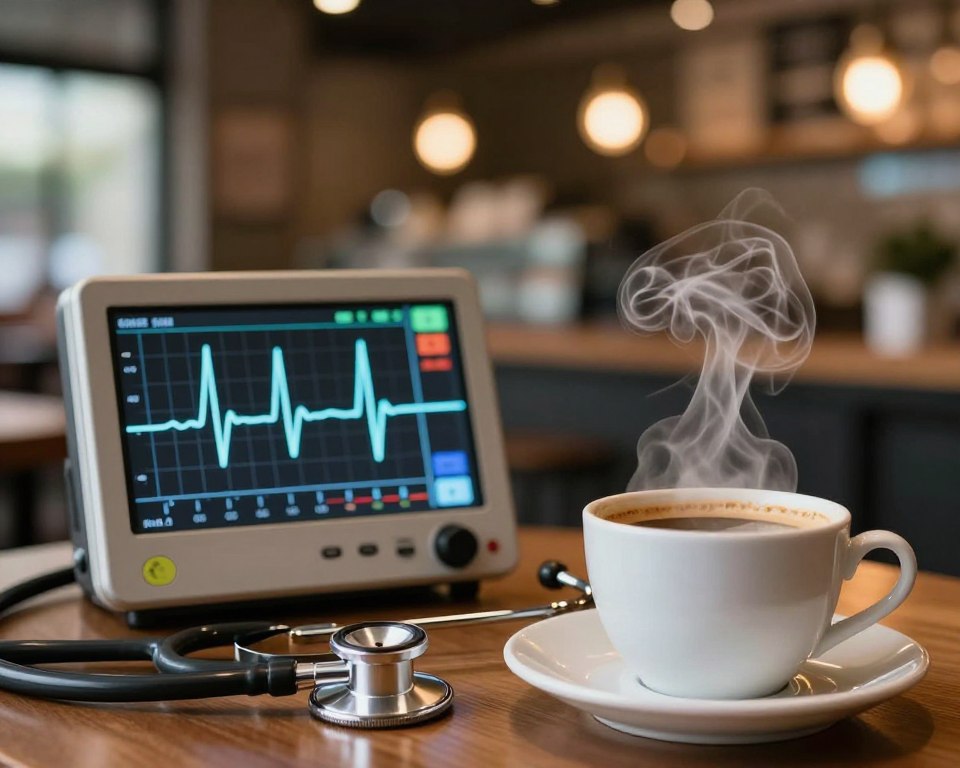
How Caffeine Stimulates the Central Nervous System
Caffeine enters the brain, making us feel more alert. It blocks chemicals that tell our body to relax. This leads to a sympathetic nervous system response, or the “fight or flight” mode.
This stimulation causes several physical changes, such as:
- Increased heart rate (tachycardia)
- Peripheral vasoconstriction, which raises blood pressure
- Enhanced muscle contraction efficiency
- Heightened cognitive focus and reaction speed
Adenosine Receptor Antagonism Explained
Caffeine blocks adenosine receptors in the brain. Adenosine helps us relax and sleep. By blocking these receptors, caffeine keeps us alert.
This is why caffeine can make us feel less tired. But for those with caffeine sensitivity, it can strain the heart, even when fighting an infection.
Amoxicillin and Caffeine Jitters: Analyzing the Interaction
When you take antibiotics and drink caffeine, your heart might feel different. This is because your body changes how it handles caffeine. Knowing about Amoxicillin and Caffeine Jitters helps you feel better while you’re sick.
Why Antibiotics Can Alter Caffeine Metabolism
Your liver breaks down caffeine with special enzymes. Antibiotics can make these enzymes work differently. This caffeine and antibiotics interaction means caffeine stays in your blood longer.
This makes your coffee or tea feel stronger. It’s not harmful, but it shows your body is processing things differently. This is why your usual coffee might seem more intense.
The Synergistic Effect on Heart Rate
When you have Amoxicillin and Caffeine Jitters, your heart beats faster. Caffeine makes your heart rate go up, and being sick adds to the demand. Studies on heart rate and medication say to watch your heart closely.
This mix makes your heart work harder. If your heart races or you feel chest discomfort, it’s likely from this effect. Cutting back on caffeine can help ease your heart’s workload while you’re sick.
Identifying Symptoms of Heart Rate Fluctuations
It’s important to know the difference between normal body reactions and serious health issues. When you have an infection, your heart rate might go up because of fever or your immune system. But, taking stimulants can make things more complicated. So, it’s key to watch your body closely with clinical precision.
Recognizing Tachycardia and Palpitations
Tachycardia means your heart beats over 100 times a minute. This can happen when you’re stressed or sick. But, if it keeps going without a reason, you should pay attention. You might feel your heart racing, skipping beats, or fluttering, which are signs of palpitations.
These feelings happen when something outside the heart affects its electrical signals. If you notice these signs, take a break and check your pulse. Regularly checking your heart rate can help doctors figure out if it’s okay or if you need help.
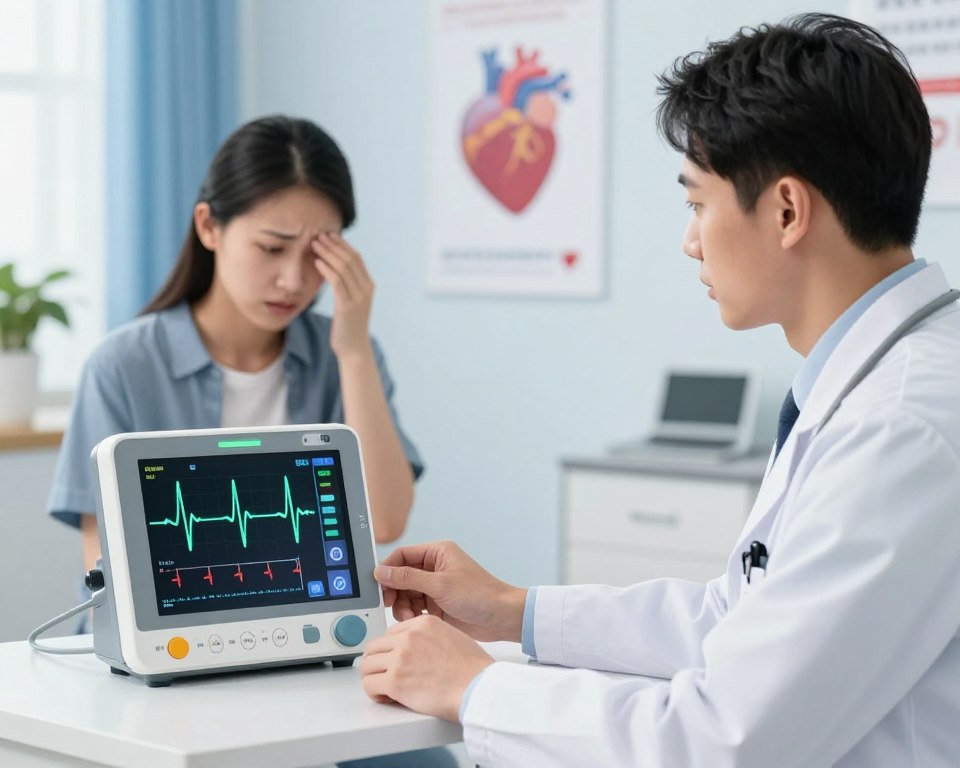
Distinguishing Between Anxiety and Medication-Induced Jitters
It’s easy to mix up anxiety symptoms with those from medication. Anxiety makes you feel scared or on edge, depending on your thoughts. But, jitters from meds are usually more lasting and physical, not tied to how you feel.
Some serious problems, like serotonin syndrome, can start within 24 hours of taking a new drug. Symptoms include a fast heart rate, stiff muscles, or confusion. If you feel out of control or have a fever and can’t think clearly, get medical help right away.
Knowing the difference helps you take better care of yourself. If you’re unsure, call your doctor. Talking clearly about when you took your meds and when your symptoms started is the best way to keep your health on track.
The Role of Caffeine Sensitivity in Medication Management
Your body’s reaction to stimulants can change when you’re fighting an infection. Your caffeine sensitivity might grow, making daily habits feel too strong. Remember, your body’s normal state changes when you’re sick.
Genetic Factors Influencing Caffeine Tolerance
How much caffeine you can handle is mostly based on your genes. The CYP1A2 enzyme in your liver breaks down caffeine. If you’re a “fast” or “slow” metabolizer depends on your DNA. High caffeine sensitivity means even a little coffee or tea can make your heart race.
Even though your genes stay the same, being sick can affect how you handle caffeine. Infections can stress your heart more. So, what used to be a normal cup of coffee might now make you feel jittery.
Assessing Your Personal Threshold During Illness
Watching how you react to caffeine while on antibiotics is key. If you feel your heart racing or get anxious, cut back. Also, think about how foods like milk with amoxicillin affect your comfort and digestion.
Keep track of your symptoms to find your caffeine limit. Write down how much caffeine you drink and how you feel. Adjusting your caffeine intake based on these notes can help you feel better faster.
Amoxicillin Dosage and Its Influence on Systemic Stress
When you take medication, the dosage you receive directly influences your metabolic response and overall comfort. Keeping a consistent Amoxicillin dosage is key. It ensures the drug stays effective in your bloodstream all day.
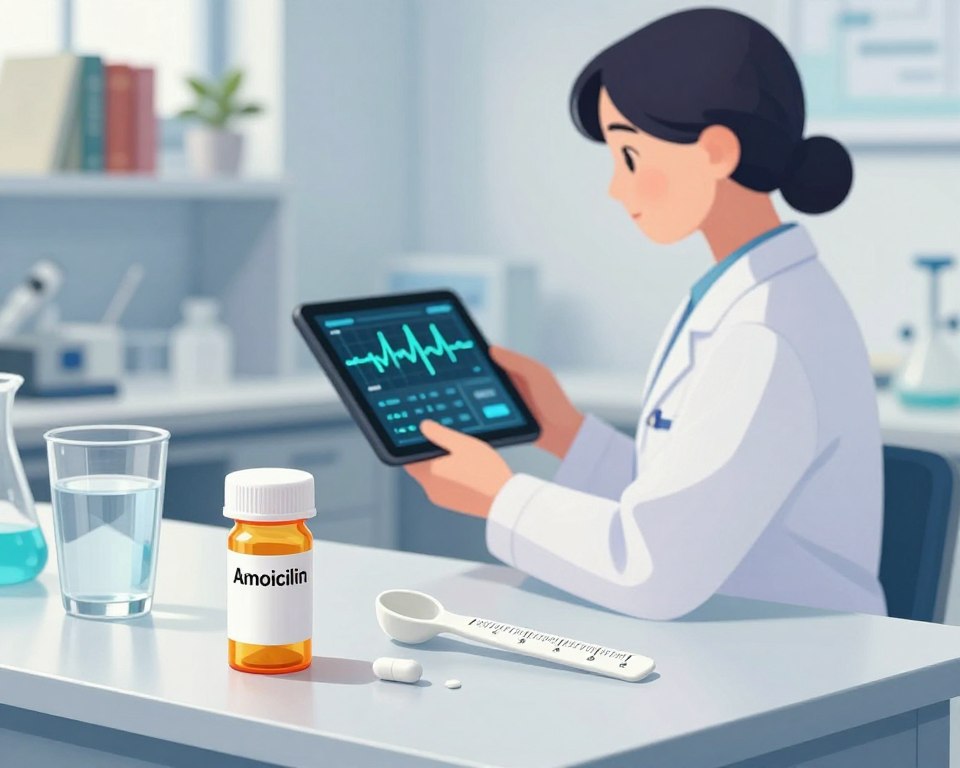
Standard Dosing Protocols for Bacterial Infections
Doctors give specific intervals for Amoxicillin for bacterial infections. These intervals help keep the drug levels steady. They’re based on the drug’s half-life and the illness’s severity.
Following these instructions helps your body fight off pathogens without overloading your systems. Consistency is key. It prevents resistant bacteria and keeps side effects in check.
How High-Dose Antibiotic Therapy Affects Metabolism
In some cases, doctors may need to use higher doses to clear infections. This can stress your liver and kidneys more. They’re the organs that process and get rid of the drug.
High doses can make your body more sensitive to substances like caffeine. It’s important to find the right balance between treating the infection and not overloading your body.
| Dosing Factor | Standard Impact | High-Dose Impact |
|---|---|---|
| Metabolic Load | Minimal | Increased |
| Systemic Stress | Low | Moderate to High |
| Recovery Time | Predictable | Variable |
| Organ Strain | Negligible | Requires Monitoring |
The Hidden Dangers of Caffeine Withdrawal During Antibiotic Treatment
Stopping your daily coffee habit suddenly can cause unexpected physical challenges. You might think removing stimulants helps you rest. But, your body often reacts badly to the sudden lack of caffeine. This reaction, known as caffeine withdrawal, can make your recovery harder.
Symptoms of Sudden Caffeine Cessation
Stopping caffeine without a break can upset your central nervous system. You might feel symptoms that seem like an active infection or side effects of your meds. People often notice:
- Persistent, throbbing headaches that don’t go away with rest.
- Feeling irritable or restless.
- Being very tired, unlike the tiredness from being sick.
- Having trouble focusing or feeling mentally foggy.
Balancing Withdrawal Symptoms with Medication Efficacy
It’s key to tell apart your illness from caffeine withdrawal symptoms. If you’re feeling these, you might think your antibiotic is causing problems. Try reducing your caffeine intake slowly instead of stopping it cold.
Gradually cutting back on caffeine lets your body adjust without severe withdrawal. By slowly lowering your intake over a few days, you can avoid harsh physical effects. This way, you can focus on getting better without confusing withdrawal with medication side effects.
Impact of Caffeine on Medication Absorption and Efficacy
It’s important to know how caffeine affects your medication. Many people wonder if their morning coffee changes how their body takes medicine. The caffeine and antibiotics interaction is often not clear. But, understanding how these substances work in your body is key.
Does Caffeine Interfere with Amoxicillin Absorption?
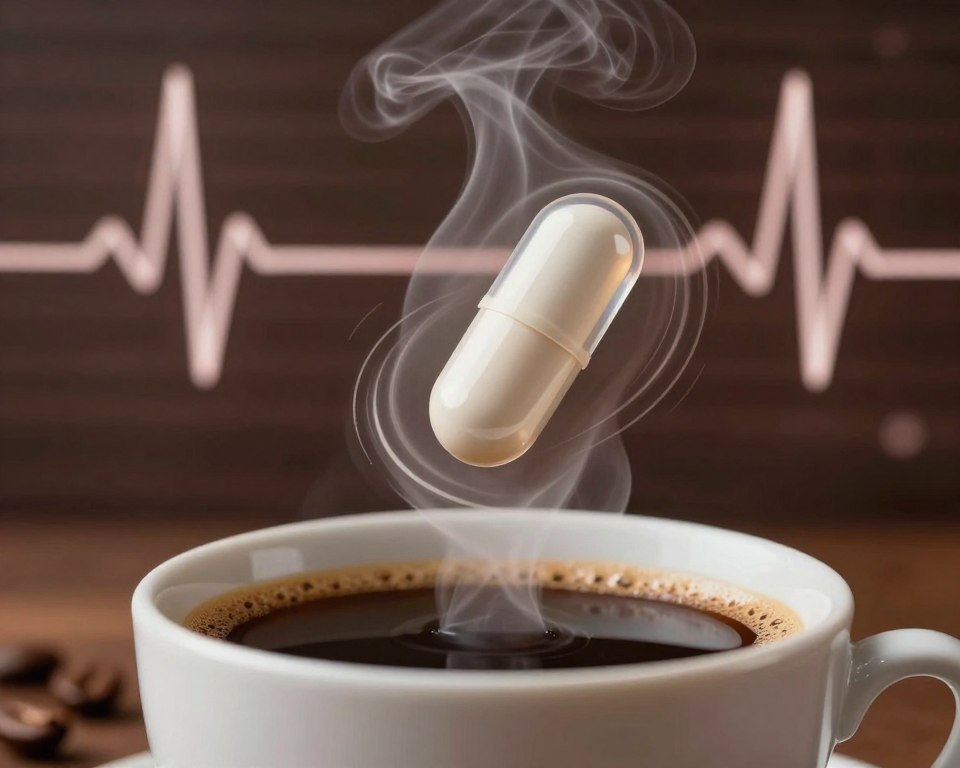
Caffeine usually doesn’t stop amoxicillin from being absorbed into your blood. But, it can affect your stomach. Caffeine can make your stomach acid go up and your digestion faster.
If you have a sensitive stomach, caffeine might make you feel sick. This could make it hard to keep your medicine down. For more info on drug interactions, check out what medications should not be taken with caffeine.
Optimizing Timing for Caffeine and Antibiotic Intake
Think about when you take your amoxicillin and caffeine. Doctors say to wait at least one to two hours between coffee and antibiotics. This helps avoid stomach problems.
By waiting, your body can better absorb the antibiotic. Consistency is key when fighting infections. Taking your medicine at the same time every day helps keep the right levels in your blood.
Lifestyle Adjustments for Managing Jitters While Sick
Changing how you drink and eat can help with jitters when you’re sick. Your body might react differently to caffeine when you’re not feeling well. Making small changes to your daily routine can help keep your body stable while you recover.
Hydration Strategies to Mitigate Cardiovascular Stress
Drinking enough water is key to handling stress from infections and caffeine. Drinking water helps your kidneys work better, which can lessen jitters. Drinking water regularly also keeps your blood volume up, easing your heart’s work.
Try to drink water often, not all at once. If you have a fever or can’t eat, electrolyte drinks can help. These simple steps support your body in dealing with medication-induced jitters.
Dietary Considerations for Reducing Nervous System Stimulation
What you eat affects how your nervous system reacts. When you’re sick, avoid foods and drinks that add to the jitters. Eating foods rich in nutrients keeps your energy steady without sudden spikes.
Here’s a table showing how different lifestyle changes can help you feel better:
| Adjustment Type | Primary Benefit | Impact on Jitters |
|---|---|---|
| Increased Water Intake | Improved Medication Clearance | Reduces Cardiovascular Strain |
| Reducing Stimulants | Lower Nervous System Load | Decreases Palpitation Risk |
| Balanced Electrolytes | Maintains Cellular Function | Stabilizes Heart Rate |
| Consistent Meal Timing | Prevents Blood Sugar Dips | Minimizes Anxiety Symptoms |
When to Consult a Healthcare Professional
Knowing when to seek help is vital for patient safety. Minor jitters might happen during treatment. But, some physical signs need quick medical check-ups to keep you safe.

Red Flags Requiring Immediate Medical Attention
Some symptoms mean your body is fighting hard. You should get emergency help if you have severe chest pain or constant pressure in your chest.
Feeling short of breath, even when resting, is a big warning sign. If you see irregular heart rhythms or heart beats that won’t stop, call a doctor right away. They can check for heart problems.
“The art of medicine consists of amusing the patient while nature cures the disease, but the science of medicine requires knowing exactly when to intervene.”
Communicating Symptoms to Your Primary Care Physician
When you call your doctor, give them a detailed report of your symptoms. Start by telling them when your symptoms started after taking your medicine and drinking caffeine.
Describe how fast or slow your heart beats and for how long. Also, tell them about any other changes like dizziness, nausea, or feeling very tired. This helps your doctor understand your situation better.
Ask your doctor if you should change your dosage or stop using stimulants. Keeping in touch with your doctor is key to a safe and effective recovery.
The Science of Heart Rate Variability and Antibiotic Use
Heart rate variability (HRV) is key to knowing how your body handles stress from an infection. It’s not just about how fast your heart beats. HRV shows the balance of your nervous system, which controls stress and relaxation.
Being sick puts a lot of stress on your body. Knowing how caffeine affects medication is important. It can change how your body responds to stress. By watching your HRV, you can see how well your body is fighting the infection and how well the medicine is working.
Monitoring Heart Rate During Recovery
When you’re getting better, your heart rate should calm down. If it doesn’t, it might mean your body is stressed. Keeping an eye on it helps you know if you’re recovering right or if something’s wrong.
Things outside of you can affect these numbers. Drinking caffeine while on antibiotics can make it hard to see how well you’re getting better. It’s important to keep your heart rate steady to get a true picture.
Tools and Technologies for Tracking Cardiovascular Health
Today’s tech lets you track your heart health in real-time. Smartwatches and chest straps give detailed data to share with doctors. They show how your body reacts to daily life and medicine.
When using these tools, think about how caffeine affects medication. If your heart rate is too high, check if you’ve had coffee or energy drinks. Watching these factors with your medicine helps you and your doctor make better choices for a safe recovery.
Common Misconceptions About Antibiotics and Stimulants
It’s important to know the difference between how medications work and how they interact. Many people worry about their daily habits when they’re sick. This worry often comes from false information online. By looking at real evidence, patients can feel better without worrying too much.

Debunking Myths Regarding Caffeine and Infection Recovery
Some think that drinking caffeine makes antibiotics less effective. But, there’s no proof that a little caffeine hurts how antibiotics work. Caffeine is a stimulant, but it doesn’t change how most medicines work.
Another myth is that coffee and medicine together cause big health problems. Most adults can have some caffeine without issues. Drinking water and resting is more important for getting better than avoiding all stimulants.
Clarifying the Difference Between Side Effects and Interactions
It’s key to know the difference between Amoxicillin side effects and drug interactions. Side effects are how your body reacts to the medicine, like a little stomach upset. These happen whether you drink caffeine or not.
Drug interactions happen when something else affects how your medicine works. While some things can mess with medicine, a bit of caffeine usually isn’t a problem. Understanding antibiotics side effects helps you talk better with your doctor. This can make you feel less stressed while you’re getting better.
Managing Stress and Anxiety During Bacterial Infections
Being sick can really mess with your mind. When your body fights off an infection, it releases chemicals that can make you feel anxious or restless. This is because your immune system is working hard to keep you healthy.
It’s normal to feel overwhelmed when you’re getting better. Some people worry about visible side effects, but the mental strain is just as big. Recognizing these feelings is the first step to feeling better overall.
Psychological Effects of Physical Illness
Being sick can mess with your sleep and daily life. You might feel more irritable or uneasy. This is because your body is using all its energy to fight off the infection.
It’s key to know the difference between side effects from meds and the natural stress of being sick. If you’re feeling really anxious, it’s because your body is under a lot of stress. Resting and doing gentle activities can help calm you down.
Non-Stimulant Alternatives for Energy Management
It’s tempting to drink caffeine when you’re tired, but it can be bad for your heart. Instead, look for ways to boost your energy that don’t overexcite you. These methods help you recover without making your heart race.
Here are some ways to manage your energy and stress:
| Strategy | Mechanism | Benefit |
|---|---|---|
| Controlled Breathing | Vagus nerve stimulation | Reduces heart rate and anxiety |
| Hydration with Electrolytes | Cellular fluid balance | Prevents fatigue-related lethargy |
| Gentle Stretching | Improved circulation | Relieves physical tension |
| Scheduled Rest Periods | Energy conservation | Supports immune system recovery |
Safe Caffeine Consumption Practices for Patients
Changing how you use stimulants when sick can make you feel better faster. It’s important to know how Amoxicillin and caffeine intake work together in your body. Resting more and avoiding caffeine helps your body fight off the infection better.

Recommended Limits During Antibiotic Courses
Doctors often say to keep caffeine under 100-200 milligrams a day while on antibiotics. This helps avoid too much heart rate change and jitters. If you get palpitations, cut back even more to keep your heart steady.
It’s key to watch how your body reacts during this time. If your heart rate doesn’t slow down, skip caffeine until your meds are done. Sticking to a routine for Amoxicillin and caffeine intake helps you know what works for you.
Transitioning to Low-Caffeine or Caffeine-Free Alternatives
Stopping caffeine cold turkey can be tough. Try cutting back slowly instead of stopping all at once. Switching to herbal drinks can help you adjust.
Here are some good choices to stay hydrated and comfy while you get better:
- Herbal Teas: Chamomile or peppermint teas are warm and don’t have caffeine.
- Decaffeinated Coffee: It’s like regular coffee but without the caffeine stress.
- Infused Water: It’s great for staying hydrated, which is important when you’re sick.
Getting through caffeine withdrawal takes time and listening to your body. Choosing drinks with less caffeine helps your body heal and keeps your heart safe.
| Beverage Type | Caffeine Content (Approx.) | Suitability During Illness |
|---|---|---|
| Black Coffee | 95-150 mg | Limit to one cup |
| Black Tea | 40-70 mg | Moderate consumption |
| Herbal Tea | 0 mg | Highly recommended |
| Decaf Coffee | 2-5 mg | Safe alternative |
Long-Term Cardiovascular Considerations Post-Infection
Finishing antibiotics is a big step in getting better. But, your body needs time to get back to normal. Knowing about antibiotics side effects helps you smoothly get back to your life.
Returning to Normal Caffeine Habits Safely
Many people want to go back to drinking caffeine right away. But, it’s better to do it slowly. Start with a little caffeine each day to see how your heart reacts.
If you feel your heart racing or get shaky, slow down even more. This careful step helps your heart not get too stressed. Drinking plenty of water is also key to keep your blood pressure right.
“Recovery is not merely the absence of symptoms; it is the deliberate restoration of physiological balance through patience and informed lifestyle choices.”
Monitoring Heart Health After Completing Antibiotic Therapy
Keep an eye on your heart health even after antibiotics are done. Some antibiotics side effects can affect your heart rate for a bit. Watching your resting heart rate can show how well you’re recovering.
If your heart beats too fast or you feel chest pain, see a doctor right away. They can figure out if it’s from the illness or if you need more help. Here’s what to watch for during your recovery.
| Recovery Phase | Caffeine Status | Heart Rate Goal |
|---|---|---|
| Immediate Post-Treatment | Low/Decaf | Stable Baseline |
| Days 3-7 Post-Treatment | Moderate | Normal Variability |
| Full Recovery | Pre-Illness Levels | Consistent Rhythm |
By paying attention to these signs, you can safely get back to normal. Taking care of your long-term health helps your body fully recover without extra stress on your heart.
Conclusion
Managing your health when you’re sick is all about finding the right balance. Rest is key, but so is keeping up with your daily routines. Taking your Amoxicillin as directed is the best way to fight off infections without stressing your body too much.
It’s important to watch how your body reacts to caffeine. If you notice your heart beating faster, it might be a sign to cut back. Tracking your heart rate can help you see how caffeine impacts your healing.
Talking openly with your doctor is essential. They can make sure your treatment plan fits your body’s needs. If you’re taking other meds, knowing how they interact with coffee is important. Always get advice from a professional to stay safe.
Drinking plenty of water and getting enough sleep boosts your immune system. Making smart choices about your Amoxicillin and caffeine helps you stay in control of your health. This way, you can navigate your recovery journey with confidence.
FAQ
Can taking Amoxicillin cause jitters when combined with my morning coffee?
A: Amoxicillin itself doesn’t act like a stimulant. But, fighting bacterial infections can make you more sensitive to caffeine. This means you might feel Amoxicillin and caffeine jitters more than usual.
What are the most common Amoxicillin side effects I should expect?
You might get stomach issues like nausea or mild diarrhea from Amoxicillin. Some people also feel restless or have a faster heart rate. But, if you have hives or trouble breathing, it could be an allergic reaction.
Is there a dangerous caffeine and antibiotics interaction with Amoxicillin?
A: Amoxicillin doesn’t block caffeine breakdown like some antibiotics do. But, it can irritate your stomach. This, combined with caffeine, might make you feel jittery and upset your stomach.
How does my Amoxicillin dosage affect my heart rate?
The right Amoxicillin dosage stops bacteria from growing. It doesn’t directly affect your heart. But, high doses can stress your body. This, with caffeine, might make your heart beat faster.
Should I worry about caffeine withdrawal if I stop drinking coffee while on Amoxicillin?
Stopping coffee while on Amoxicillin can lead to caffeine withdrawal. You might feel headaches, be irritable, or feel tired. It’s better to slowly reduce your coffee intake to avoid making your infection recovery harder.
Does caffeine interfere with the absorption of Amoxicillin?
A: Caffeine doesn’t make Amoxicillin less effective against bacterial infections. But, how you time your Amoxicillin and caffeine can affect your comfort. Too much coffee can make your stomach empty faster, which might make antibiotics side effects worse.
How can I tell if my rapid heart rate is from caffeine or a medical emergency?
It’s important to know if your heart rate is just from caffeine or something serious. If your heart rate goes up a bit after coffee but goes back down, it’s probably just caffeine sensitivity. But, if you have palpitations, chest pain, or signs of serotonin syndrome, get help right away.
What are the best ways to manage jitters while taking antibiotics?
To reduce Amoxicillin and caffeine jitters, drink lots of water with electrolytes like Gatorade or Liquid I.V.. Also, try switching to Starbucks Decaf coffee to avoid too much caffeine while you’re recovering.