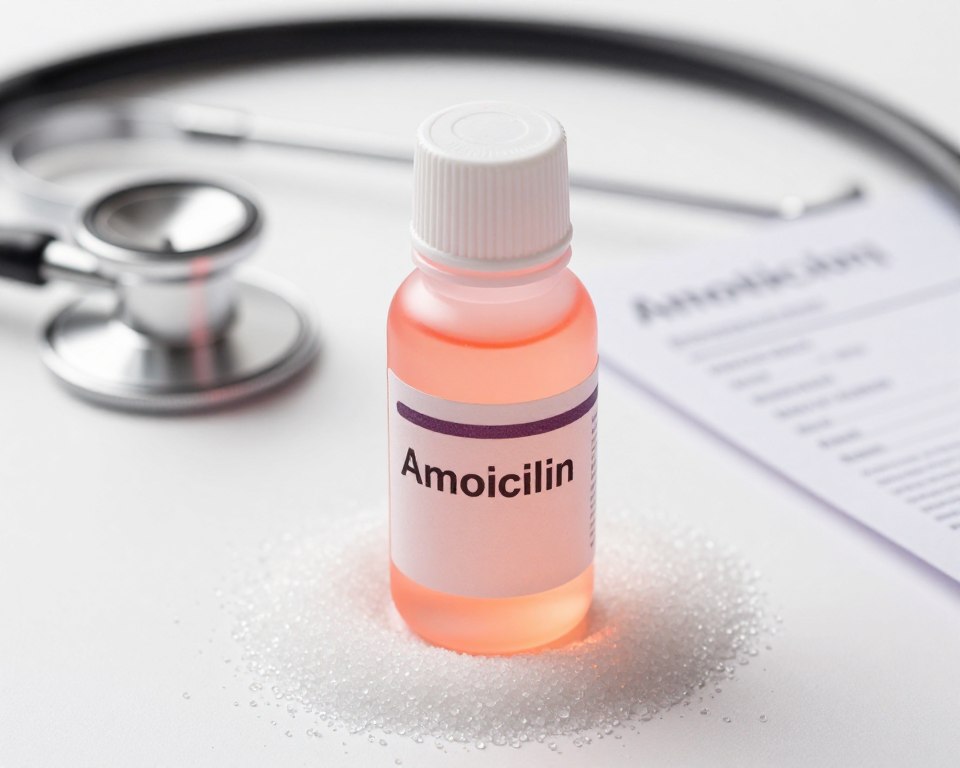
Did you know many pediatric antibiotics have a lot of sugar? This sugar can raise blood sugar levels a lot. Parents usually focus on the medicine itself, but the inactive ingredients are key to how it works.
The sweet smell of these medicines is on purpose. Companies add lots of sucrose, fructose, or sorbitol to make the antibiotic taste better. This makes kids more likely to finish their medicine.
As a pharmacist, I tell families about the hidden metabolic challenge in these medicines. For people with diabetes, these sugars can make blood sugar go up too high. Knowing what’s in your child’s medicine is important to keep their sugar levels stable when they’re sick.
Key Takeaways
- Pediatric antibiotic suspensions use high levels of sugar to improve palatability.
- The pleasant aroma is a direct result of added sweeteners like sucrose or sorbitol.
- Diabetic patients must account for these hidden carbohydrates in their daily insulin calculations.
- Always consult your pharmacist about the excipient content of any prescribed medication.
- Managing blood glucose during illness requires awareness of both food and liquid medicine intake.
The Chemistry Behind the Aroma: Why Does Amoxicillin Liquid Smell So Sweet?
Ever wondered why does amoxicillin liquid smell so sweet? It’s all about the science in making medicine for kids. To make sure kids take their medicine, doctors add sweet flavors. This makes the bitter taste of the antibiotic go away.
The amoxicillin odor is more than just a smell. It’s a special mix made to make kids like the taste. The sweet smell helps hide the medicine taste. It also tells us the medicine has sugar in it.
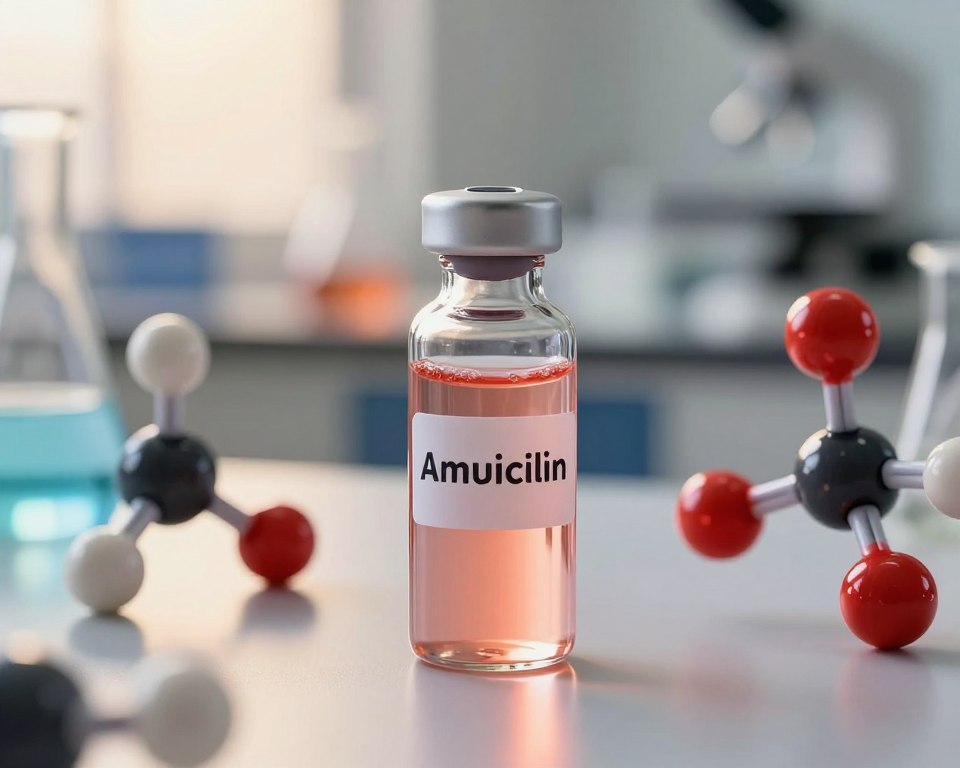
Sweet-smelling liquid antibiotics are made to taste good. But, they might not be good for our blood sugar. So, it’s key to know what we’re eating.
| Component Type | Primary Function | Impact on Palatability | Sugar Content |
|---|---|---|---|
| Flavoring Agents | Mask bitterness | High (Sweet) | Variable |
| Sucrose/Syrup | Texture and taste | Very High | Significant |
| Preservatives | Stability | Neutral | Minimal |
| Active Ingredient | Therapeutic effect | Bitter | None |
Understanding the Formulation of Pediatric Liquid Antibiotics
Making liquid medicine for kids is a mix of science and making it smell nice. The goal is to keep the medicine strong and even. This also affects how it smells, making it okay for kids to take.
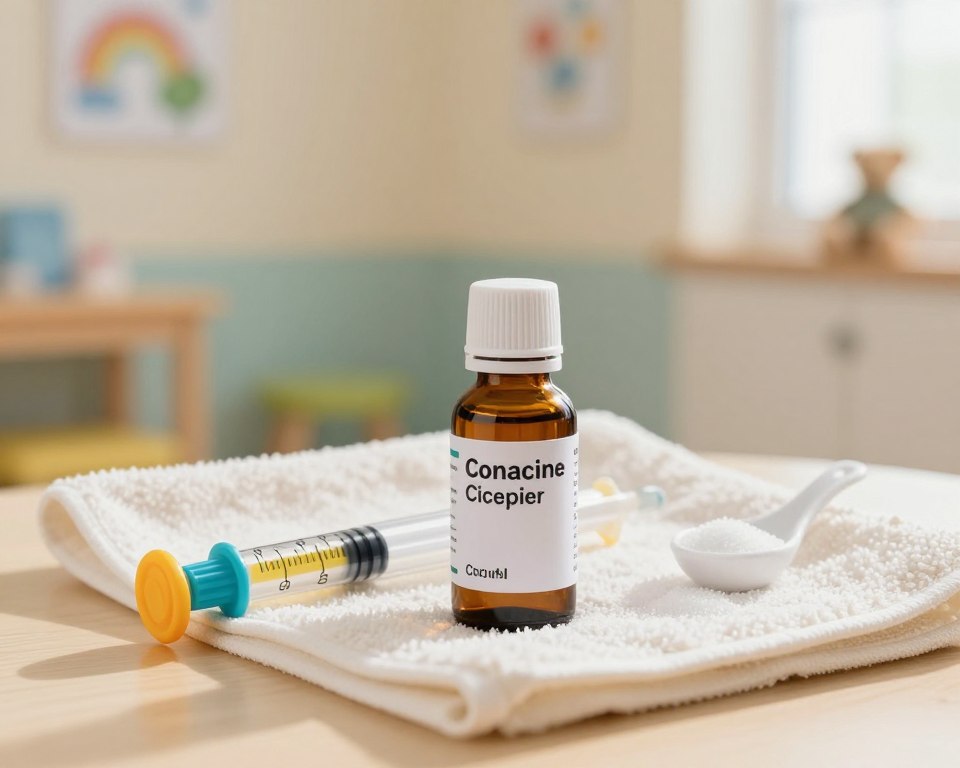
The Role of Excipients in Medication Stability
Excipients are things added to medicine that don’t help it work but make it better. In liquid medicines, they keep the medicine mixed up. This makes sure every dose has the right amount.
These helpers also keep the medicine from getting worse when it’s exposed to light or changes in temperature. They don’t make the medicine work better, but they’re key to keeping the smell the same. Without them, the medicine wouldn’t work well.
Flavoring Agents and Palatability for Children
Kids don’t like the taste of many antibiotics. This can make them not want to take their medicine. To fix this, flavorings are added to make it taste better. A nice smell is the first clue that the medicine tastes good.
The aim is to make the medicine easy to take. This helps kids finish their treatment. It’s important to fight off antibiotic resistance and clear the infection. Here’s what excipients do in these medicines:
| Excipient Type | Primary Function | Impact on Formulation |
|---|---|---|
| Suspending Agents | Prevents sedimentation | Ensures uniform dosing |
| Preservatives | Inhibits microbial growth | Extends shelf life |
| Flavoring Agents | Masks bitter taste | Improves patient compliance |
| Buffers | Maintains pH balance | Stabilizes the pharmaceutical aroma |
The Hidden Sugar Content in Liquid Medications
The sweet medication smell in many pediatric suspensions is not by chance. It’s added to make sure kids take the medicine without fuss. But this liquid medicine fragrance hides a lot of carbs that can harm your health.

Differentiating Between Natural and Added Sugars
It’s key to know the difference between sugars in ingredients and those added later. Natural sugars, like those in fruit flavors, come with fiber and nutrients. Added sugars, on the other hand, are just for taste and texture.
For those watching their blood sugar, this difference matters a lot. Added sugars raise blood sugar fast, unlike complex carbs. Knowing this helps patients choose better liquid antibiotics.
Common Sweetening Agents Used in Pharmaceutical Suspensions
Companies use many agents to get the right taste and feel. Sucrose, or table sugar, is popular because it dissolves well and tastes familiar. Fructose is also used, but it’s processed differently by the body.
Sugar alcohols like sorbitol sweeten without raising blood sugar much. But they can upset some stomachs. Here’s a list of common sweeteners in these medicines.
| Sweetening Agent | Glycemic Impact | Primary Function |
|---|---|---|
| Sucrose | High | Flavor and Texture |
| Fructose | Moderate | Palatability |
| Sorbitol | Low | Sweetness and Stability |
| Aspartame | Negligible | Artificial Sweetening |
Why Diabetics Must Exercise Caution with Liquid Antibiotics
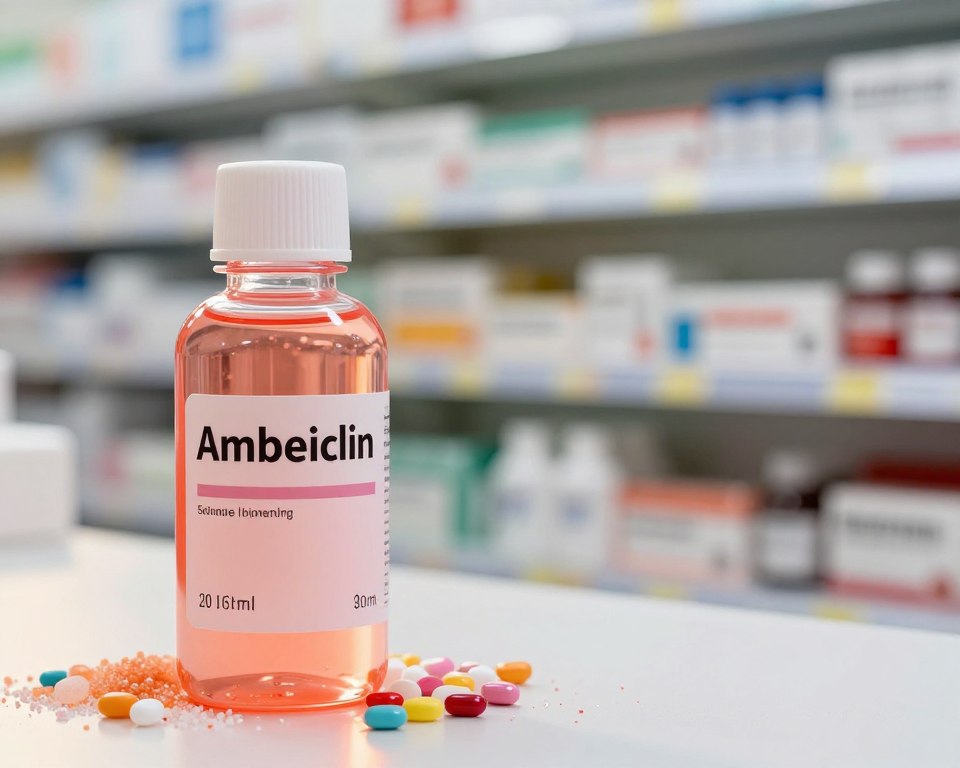
For those with diabetes, the amoxicillin syrup scent might seem harmless. But it can hide a challenge for managing blood sugar. These medicines are made to taste good, but they often have a lot of sugar. This can lead to unexpected changes in blood sugar levels.
Impact of Liquid Medication on Blood Glucose Levels
Diabetes makes it hard to keep blood sugar stable. When you take sweet-smelling antibiotics, the sugar in them goes into your blood. Even a little bit can make it hard to control blood sugar, which is a big deal for those who are very sensitive to food changes.
It’s key to count these hidden carbs in your daily tracking. Many liquid medicines use sucrose or high-fructose corn syrup to taste better. If you’re keeping track, treat these doses as part of your daily carb count.
Recognizing the Risks of Hyperglycemia During Infection
Being sick can make blood sugar levels go up. When you’re fighting an infection, your body releases hormones that make insulin less effective. Adding sugar from medicine to this mix increases the risk of high blood sugar.
Patients often find it hard to keep blood sugar in check when they’re sick. The body’s stress response and the sugar in sweet-smelling antibiotics need extra attention. Checking blood sugar more often while taking these medicines is a smart move to stay safe.
| Medication Type | Sugar Content | Glycemic Impact |
|---|---|---|
| Standard Liquid Suspension | High | Significant risk of spikes |
| Sugar-Free Liquid | None/Low | Little impact on glucose |
| Tablet/Capsule | Negligible | No effect on blood sugar |
Knowing the amoxicillin syrup scent can help you make better choices. Always talk to your doctor about using a sugar-free version if it’s right for you.
Analyzing the Labeling Standards for Pharmaceutical Ingredients
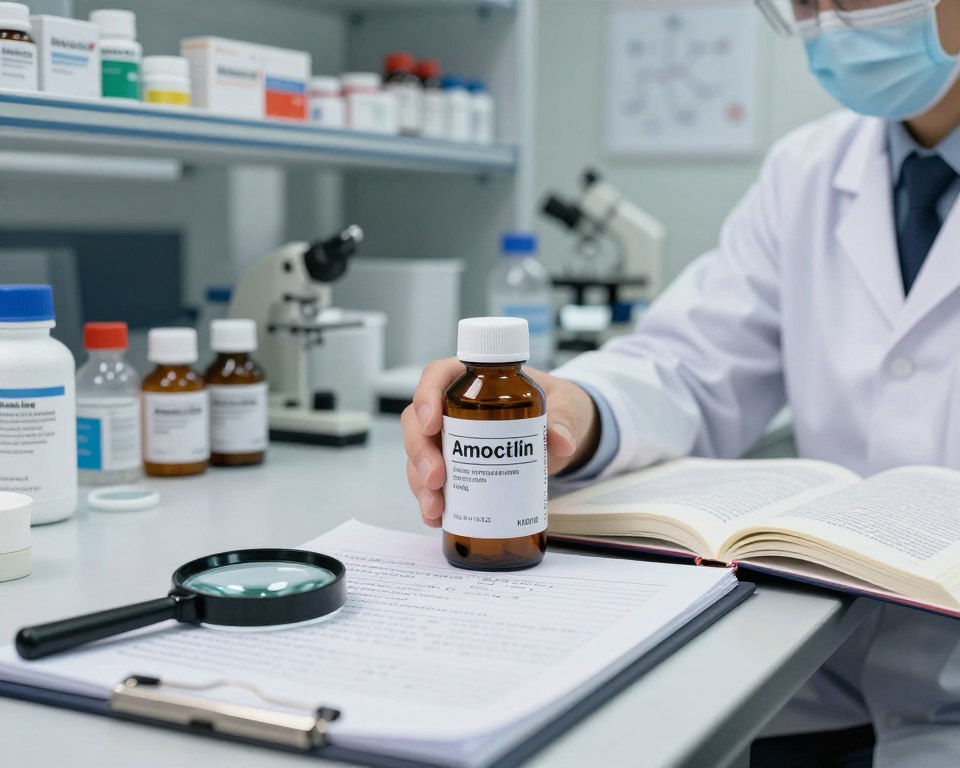
For people with diabetes, finding hidden carbs in liquid antibiotics is key. Rules say active ingredients must be listed clearly. But, inactive parts, or excipients, are often hidden in the fine print. This can make it hard for those who need to count every sugar gram.
How to Read Medication Labels for Hidden Carbohydrates
Patients should carefully check their medication labels. Look for terms like sugars or sugar alcohols in the label or patient info leaflet. These are added to taste but can raise blood sugar levels.
Watch out for these common sweeteners:
- Sucrose: A common table sugar that directly affects blood glucose.
- High Fructose Corn Syrup: Frequently used for its intense sweetness and low cost.
- Sorbitol: A sugar alcohol that may cause a smaller glucose spike but can lead to gastrointestinal distress.
- Dextrose or Glucose: Simple sugars that are rapidly absorbed by the body.
The Importance of Pharmacist Consultation for Diabetic Patients
While label reading is important, it’s not enough to know a medication’s carb content. Manufacturers might not list exact excipient amounts on the outside. So, pharmacists are your best source for checking antibiotic suspension safety.
At the pharmacy, be proactive about your health. Ask questions like:
“Does this specific liquid antibiotic contain sugar or sugar alcohols that could affect my blood glucose levels? If so, is there a sugar-free alternative available that is equally effective for my infection?”
Your pharmacist can access detailed info not available to everyone. They can help adjust your monitoring if a sugar-containing med is needed. Always prioritize this professional consultation to keep your treatment in line with your health goals.
Comparing Amoxicillin Suspensions and Alternative Delivery Methods
Liquid medicines can be hard to manage for blood sugar. Doctors look at other ways to give medicine safely. They balance treating infections and keeping blood sugar stable.
Choosing the right way to give medicine depends on how well the patient can swallow and their health needs.
Tablet Versus Liquid Formulations for Blood Sugar Management
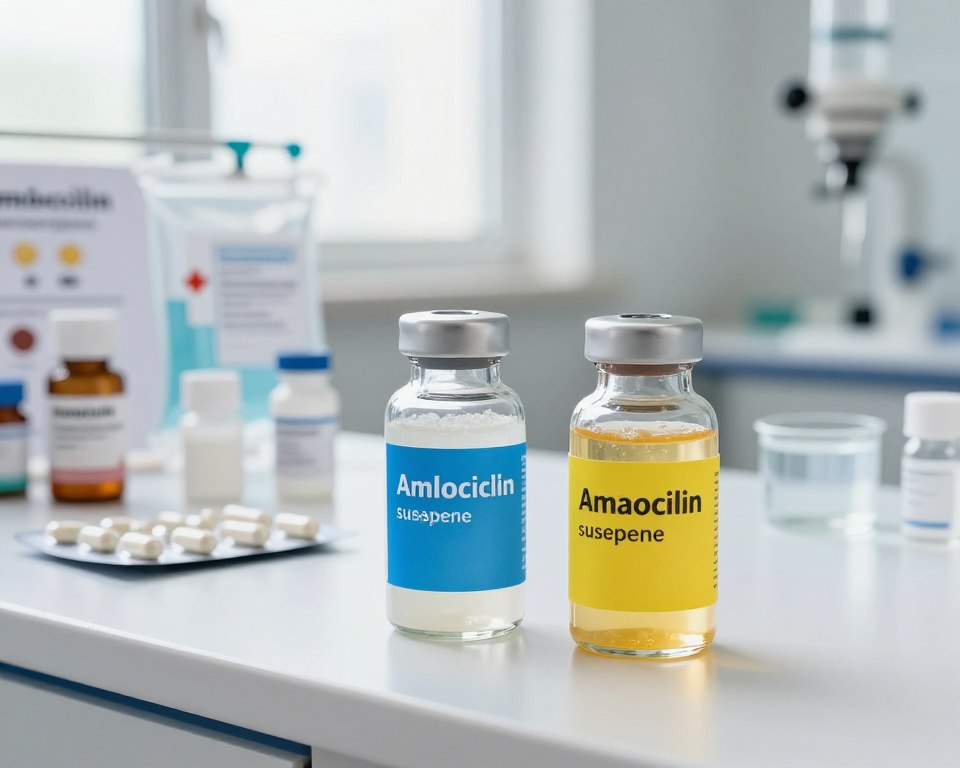
Liquid antibiotics often have sugar to hide their taste. This sugar can raise blood sugar levels quickly. On the other hand, tablets and capsules usually have fewer additives and no sugar.
For many adults, taking pills instead of liquids is a good way to avoid extra sugar. But, not everyone can swallow pills easily. Kids or people with trouble swallowing might need liquid medicine.
| Delivery Method | Sugar Content | Excipient Load | Ease of Use |
|---|---|---|---|
| Liquid Suspension | High | High | Excellent for children |
| Standard Tablet | Minimal/None | Low | Requires swallowing ability |
| Capsule | None | Low | Requires swallowing ability |
When to Request Sugar-Free Alternatives from Your Physician
If you have diabetes, talk to your doctor about your medicine. Ask if there’s a sugar-free liquid alternative or a pill. Pharmacists can help find medicines with sweeteners that don’t raise blood sugar.
Talking openly with your doctor helps tailor your treatment. If you need liquid medicine, your doctor might adjust your diabetes meds. It’s important to discuss this to keep your health safe while treating your infection.
The Role of Flavoring in Medication Adherence
Getting patients to take their medicine is a big challenge. It’s all about making the taste good and safe. If a medication scent is nice, patients are more likely to finish their treatment. This is key because not finishing antibiotics can make bacteria resistant to them.
Balancing Patient Compliance with Metabolic Health
Doctors have a tough decision when they give liquid antibiotics to people with diabetes. The flavoring makes it easier for kids and adults to swallow. But, these flavors often have a lot of sugar, which can raise blood sugar levels.
This can make managing diabetes harder. Doctors must think about stopping infections now versus the risks of high blood sugar later. Sometimes, patients might get a metallic taste in mouth from the medicine. Talking to the pharmacist can help find a safe and effective option.
Psychological Factors Influencing the Perception of Sweetness
Our brains link sweetness to safety and energy. That’s why a nice pharmaceutical aroma is used in medicine. It makes the medicine taste better, making it easier to take.
This is very important for kids who might not want to take their medicine. But, how we see sweetness can change based on our past or health. Knowing this helps doctors help patients make better choices. Here’s how different things affect the taste of medicine.
| Factor | Pediatric Focus | Diabetic Focus |
|---|---|---|
| Primary Goal | Compliance | Glycemic Control |
| Flavoring | High Sweetness | Sugar-Free/Artificial |
| Sensory Cue | Strong Aroma | Neutral Profile |
| Risk Factor | Refusal to Take | Hyperglycemia |
Potential Side Effects of High-Sugar Antibiotic Suspensions
The sweet medication smell of pediatric antibiotics is meant to make kids take their medicine. But, it can hide serious health effects. These medicines often have a lot of sugar to make them taste good. But, for some, this sugar can cause unexpected problems.

Gastrointestinal Responses and Blood Sugar Spikes
These high-sugar medicines can make blood sugar levels jump up fast. This can make an infection worse. When you’re sick, your body can’t fight off infections well if your blood sugar keeps changing.
Some people might also get stomach problems from certain sugars in these medicines. These sugars, added to make the medicine smell nice, can cause bloating, gas, or diarrhea. It’s key to watch out for these signs while taking the medicine.
Long-Term Considerations for Patients with Chronic Conditions
Managing long-term health needs a big-picture approach, including what medicines you take. Infections can change how you taste things, making medicines taste sweeter than usual. This can make the liquid medicine fragrance seem too strong.
People with ongoing health issues should talk to their doctor about the sugar in their medicines. Don’t just rely on the smell to know if it’s safe. Look at the ingredients to make sure they fit with your health goals and diet.
Best Practices for Managing Diabetes While Taking Antibiotics
Patients with diabetes need to be proactive when adding new liquid medicines to their routine. The amoxicillin syrup scent might be nice, but it has sugar that can affect your blood sugar levels. It’s important to have a plan to avoid sudden spikes in blood sugar while fighting an infection.
Monitoring Blood Glucose Levels During Treatment
When you have an infection, your body’s stress response can make your blood sugar go up. You should check your blood sugar more often when taking medicines with sugar. Keeping a log of these readings is key to spotting patterns as you get better.
Testing your blood sugar at the same times every day helps you and your doctor see how the medicine affects you. If your levels keep going up, don’t ignore it. Writing down every reading is important for making smart choices about your care.
Adjusting Insulin or Medication Schedules Under Medical Supervision
Many patients wonder if they should change their insulin dose when taking sweet-smelling antibiotics. Never change your insulin or diabetes medicine without your doctor’s say-so. Changing doses on your own can cause big swings in your blood sugar.
Always talk to your doctor or pharmacist before changing your treatment plan. They can give you specific advice on how to handle the carbs in your liquid medicine. Working with your medical team helps keep your recovery safe and your diabetes under control.
Regulatory Oversight and Safety Standards for Liquid Medicines
Federal oversight is key in balancing antibiotics’ benefits and risks. The U.S. healthcare system has strict rules to ensure medications are safe. These rules protect patients and keep treatments effective.
FDA Guidelines on Excipients and Patient Safety
The Food and Drug Administration (FDA) sets rigorous standards for pharmaceutical excipients in the U.S. Excipients are inactive substances like sweeteners and flavorings. They carry the active drug but must be safe for people to consume.
Regulatory bodies check these substances for stability and safety. When making liquid suspensions, manufacturers must show that excipients don’t harm the drug’s effectiveness. This meticulous vetting process makes sure medication benefits outweigh risks.
Transparency in Pharmaceutical Manufacturing Processes
Transparency is key in modern pharmaceuticals. Manufacturers must list ingredients on labels, helping consumers make informed choices. But, details on sugar content can differ between brands and generics.
For those with health conditions like diabetes, knowing what’s in their meds is critical. Proactive communication between patients and pharmacists is essential. This way, the industry moves toward empowering patients to manage their health safely.
Medical Review Statement and Professional Guidance
We are dedicated to your health, which is why we review every piece of content carefully. This article was written by a licensed Master Pharmacist. It also went through a detailed scientific review by another licensed Master Pharmacist. An actively practicing physician checked it to make sure it’s accurate and relevant.
The information here is for general knowledge only. It’s not meant to replace your doctor’s advice or your own treatment plan. Always talk to your doctor or a registered pharmacist before making any changes to your medication.
Managing your health means relying on trusted data about pharmacological standards and safety. Knowing how substances affect your body is key to good care. For example, if you’re wondering about dietary interactions with antibiotics, ask a professional who knows your health history.
Remember, medical knowledge changes fast. We try to give you the latest advice, but your health needs are unique. Always talk to your doctor to make sure your treatment is safe and right for you.
Image Disclosure and Educational Resource Limitations
It’s important to know what images you see on this platform are about. Some pictures on WhatIsThisMed.com might be AI-generated or digitally enhanced. They are used for learning and to help explain things.
These images aim to help you understand complex health topics. But, they should not be used to guess your health problems or replace a doctor’s advice. You can check our image disclosure policy for more details.
We work hard to make sure our educational materials are accurate and clear. Remember, digital images can’t fully show what a real doctor’s exam does.
“The goal of medical education is to empower the patient, but true diagnosis must always occur within the context of a direct consultation with a qualified healthcare provider.”
Always talk to your doctor or pharmacist before making health decisions based on online info. Getting advice from a professional helps make sure your health needs are met.
Common Myths Regarding Sweet-Smelling Antibiotics
Some liquid medicines smell sweet, which can confuse people. Many think sweet-smelling liquid antibiotics are stronger or have more medicine than ones without a smell. But this is not true, based on science.
Debunking Misconceptions About Medication Potency
The smell of a medicine doesn’t show how well it works. Companies add flavor to make medicines taste better, mainly for kids. The amoxicillin odor comes from these additives, not how the medicine works in the body.
“The sensory experience of a medication, such as its smell or taste, is designed for compliance, not clinical performance. Patients should rely on dosage instructions, not sensory cues, to gauge the strength of their treatment.”
It’s important to know the smell of medicine is different from a sweet taste that lasts. Sweet-smelling antibiotics are safe if taken as told. But, a lasting sweet taste might mean a health issue. If you keep getting this taste, see a doctor to check for things like diabetes.
Clarifying the Relationship Between Scent and Sugar Content
Many think a strong smell means more sugar. But, new ways to make flavors mean you can have a strong smell with very little sugar. Here’s a table that clears up some common myths.
| Myth | Clinical Reality | Impact |
|---|---|---|
| Strong scent equals high potency | Scent is independent of drug efficacy | No change in treatment power |
| Sweet smell means high sugar | Flavoring agents provide the aroma | Sugar content varies by brand |
| Persistent sweet taste is normal | May indicate metabolic concerns | Requires medical evaluation |
Conclusion
Understanding how medications affect your body is key to managing your health. Knowing why amoxicillin liquid smells sweet helps you make better choices when you’re recovering.
Flavoring agents in medicines help you stick to your treatment plan. But, they can hide sugars that raise your blood sugar levels. Always talk to your doctor or pharmacist to find the right antibiotic for you.
Ask for sugar-free or solid forms of antibiotics if you’re watching your insulin. Reading labels and tracking your blood sugar is the best way to stay safe while you’re being treated.
Being informed is your strongest ally when dealing with medicines. By working closely with your healthcare team, you can control your health and fight off infections effectively.
FAQ
Why Does Amoxicillin Liquid Smell So Sweet?
The sweet smell of amoxicillin comes from flavorings added during making. These sweeteners help kids take the medicine. It’s a common way to make medicine taste better.
Does the intensity of the medication scent indicate its potency?
No. People often think a strong smell means the medicine is stronger. But, the smell and the medicine work separately. The smell comes from flavorings, not the medicine itself.
Is the sugar content in sweet-smelling antibiotics a risk for diabetics?
Yes, it can be. Patients with diabetes might not think about the sugar in their medicine. This sugar can raise blood sugar levels, making it harder to control diabetes.
Can high-sugar antibiotic suspensions cause side effects?
Yes, they can. High sugar levels might upset the stomach. It can also make blood sugar levels spike too fast. This can make infections worse.
How should I manage my blood sugar while taking liquid amoxicillin?
Check your blood sugar more often while taking this medicine. Keep a log of your readings. Talk to your doctor about changing your diabetes meds if needed.
What should I do if I am concerned about the sugar in my liquid medication?
Talk to your pharmacist or doctor. If you’re worried about sugar, ask for a sugar-free version. They can also tell you how much sugar is in each dose.
Is a sweet taste in the mouth the same as the sweet-smelling amoxicillin odor?
No, they are not the same. The smell of amoxicillin syrup is normal. But, a lasting sweet taste might mean something else is wrong. Talk to your doctor if this happens.