

Quick Answer
Can You Take Metformin on an Empty Stomach? While it is technically possible to swallow the medication without food, you should absolutely never choose to take metformin on an empty stomach. From a clinical pharmacy perspective, doing so is one of the most common and disruptive patient mistakes in type 2 diabetes management. Metformin relies heavily on a dietary food buffer to slow down its rapid absorption rate and to shield the delicate gastric mucosa. Choosing to take metformin on an empty stomach does not typically cause severe, life-threatening drops in blood sugar (hypoglycemia) when used alone, but it triggers intense, localized gastrointestinal shock, leading to explosive morning diarrhea, painful abdominal cramps, burning acid reflux, and acute nausea.
Key Takeaways About Gastric Tolerance and Dosing Fluids
- The Osmotic Fluid Shift: Unbuffered biguanides draw massive amounts of water into your intestinal tract, creating immediate cramping.
- Reflux and Acidity Risk: Attempting to take metformin on an empty stomach increases localized irritation of the lower esophageal sphincter.
- Formulation Matters: Immediate-release (IR) tablets cause far more violent unbuffered reactions than extended-release (XR) matrix capsules.
- The Nutritional Balance: Chronic gastrointestinal irritation can ruin overall gut health, accelerating underlying systemic issues like nutrient malabsorption.
- Safe Mitigation: If a full meal is unavailable, even a minor carbohydrate snack can protect your system from severe chemical irritation.
🔬 What Does the Science Say? (Clinical Trial Highlight)
A comprehensive pharmacokinetic study published in PubMed Central (PMC) evaluated the direct biological differences between administering biguanide therapies in fasted versus fed states. The clinical data revealed that taking the medication under fasted conditions accelerates the peak plasma concentration ($C_{max}$) by nearly 30% and shortens the time to reach maximum concentration ($T_{max}$).
The Clinical Conclusion: This rapid, unbuffered absorption rush drastically overloads the organic cation transporters (OCT1) in the upper gastrointestinal tract. This biological overload triggers massive local serotonin release, which is the primary driver behind the sudden, explosive diarrhea and severe nausea reported by patients who choose to take metformin on an empty stomach. Introducing a food buffer systematically smooths out this concentration curve without lowering the drug’s overall therapeutic efficacy.
$C_{max}$ (Максимална концентрация): Това е “върхът” на вълната. Представи си го като най-голямото количество от лекарството, което се натрупва в кръвта ти наведнъж. Когато пиеш Метформин на празен стомах, тази вълна е твърде голяма и “удря” тялото ти внезапно, което предизвиква гаденето и разстройството.
$T_{max}$ (Време за максимална концентрация): Това е “скоростта” на вълната – колко минути или часа отнема на хапчето, за да достигне своя връх. На празен стомах времето се съкращава (вълната идва твърде бързо), докато храната действа като вълнолом и забавя този процес, за да ти е комфортно.
Patient Decision Box: Tracking Your Daily Dosing Decisions
| Dosing Choice Scenario | Expected Gastrointestinal Outcome | Action Plan & Safety Correction |
| You choose to take metformin on an empty stomach with a glass of water | Rapid chemical absorption leading to severe upper stomach cramps, localized burning, and a high probability of sudden, watery stool within 45 minutes. | Immediate correction needed. Stop taking your pill on an empty tract. Review the foundational dosing frameworks outlined inside Metformin: The Ultimate Patient Guide. |
| You combine your unbuffered dose with a cup of morning black coffee | Accelerated gastric acid production mixed with unbuffered osmotic shifts, creating a highly painful stomach lining environment and volatile acid reflux. | Absolutely avoid this liquid combination. Explore our critical clinical breakdown on Can I Drink Coffee While Taking Metformin? to protect your gut. |
| You notice severe energy drops and fatigue hours after skipping food with your dose | Deep baseline energy crashes and physical weakness caused by abrupt alterations in cellular metabolic energy pathways. | Do not ignore chronic physical drops. Investigate whether Why Am I Tired After Taking Metformin? is the actual underlying question you need to solve. |
| You experience chronic, burning nerve pain in your feet alongside digestive upset | Long-term gut inflammation can compromise nutrient absorption, worsening your body’s overall systemic and neurological health over time. | Consult your physician immediately. Evaluate whether you Should I Take Vitamin B12 With Metformin? to actively protect your nerve endings from long-term damage. |
The Unbuffered Chemical Reality of Biguanides

In the vast landscape of type 2 diabetes treatments, biguanides remain the absolute gold standard for baseline blood glucose management. However, the pharmacological success of this treatment depends entirely on how well a patient’s gastrointestinal tract tolerates the compound. A massive percentage of treatment failures occur not because the drug fails to modulate hepatic glucose, but because patients choose to take metformin on an empty stomach and cannot handle the subsequent physical side effects.
When you swallow this medication, the pill must dissolve and pass through the sensitive mucosal layers of your stomach and upper intestines. Understanding the exact mechanical reasons why an empty, vacant digestive tract reacts so aggressively to this chemical compound is the first major step toward achieving long-term, pain-free glycemic control.
The Osmotic Influx: Why an Empty Intestine Rebels
The primary reason you will face intense gastrointestinal distress if you decide to take metformin on an empty stomach comes down to basic fluid physics inside your bowel. Metformin possesses natural, highly potent osmotic properties.
When the active compound dissolves in an empty upper gastrointestinal tract without any dietary fibers, proteins, or fats to bind to, it forms a highly concentrated chemical mass. As this mass travels down into the small and large intestines, it acts like a powerful fluid magnet. Through the process of osmosis, it rapidly draws massive amounts of water out of your surrounding vascular tissues and dumps it straight into the intestinal lumen.
If you take metformin on an empty stomach, this sudden, massive influx of water completely overwhelms the colon’s ability to absorb fluids. The immediate result is rapid bowel distension, loud gurgling noises, intense abdominal cramping, and sudden, explosive morning diarrhea. This entire painful cycle can be successfully prevented by simply using a proper, complex meal to absorb the drug’s initial osmotic force.
Immediate-Release (IR) vs. Extended-Release (XR): The Structural Battle
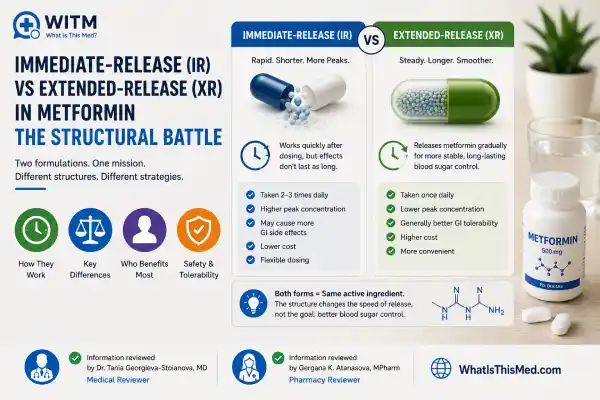
When looking at the gastric complications that arise when you choose to take metformin on an empty stomach, analyzing the physical structure of your medication tablet is incredibly important. The severity of your stomach cramps and diarrhea depends heavily on whether your doctor prescribed immediate-release (IR) tablets or extended-release (XR) formulations.
Immediate-release capsules dissolve rapidly the moment they touch moisture. If you take metformin on an empty stomach using an IR formulation, the entire medicinal dose dumps into your bare gastric cavity all at once. This creates a massive, unbuffered chemical spike in the upper mucosal layers.
🔬 What Does the Science Say? (Gastrointestinal Tolerability Data)
A post-marketing surveillance study archived in PubMed compared gastrointestinal compliance metrics between type 2 diabetes patients using immediate-release biguanides versus those on dual-phase polymer matrix systems (XR). The data demonstrated that transitioning patients from IR to XR formulations reduced severe GI adverse events by over 50%.
The Clinical Conclusion: Extended-release tablets utilize a gel-forming polymer matrix shell. As the tablet passes through the gut, moisture slowly hydrates the outer layer, releasing the drug at a controlled, gradual pace over several hours. However, clinical data notes that even with XR technology, choosing to take metformin on an empty stomach can still erode the protective gel layer prematurely, leading to unwanted local irritation.
Localized Mucosal Irritation and Chronic Acid Reflux
Swallowing a powerful biguanide pill without a solid solid-food barrier allows the raw chemical crystals to rest in direct contact with your delicate stomach walls. This direct exposure can disrupt your upper digestive system in several painful ways.
First, the concentrated drug alters the local pH balance at the point of contact, triggering sensory nerves that signal your brain to induce heavy nausea or sudden dry heaving. Second, this raw irritation causes the smooth muscles of the stomach to spasm erratically, which explains the sharp, colicky pains and tight knot-like sensations patients experience when they take metformin on an empty stomach.
Furthermore, this unbuffered chemical environment can weaken the lower esophageal sphincter (the muscular valve that keeps stomach acid from moving up into your throat). If you frequently combine this unbuffered medicine with highly acidic morning fluids, you will likely experience relentless, burning acid reflux.
If you are currently trying to handle severe digestive burn while taking your medication, you must make sure you aren’t compounding the issue with poor beverage habits. For example, knowing whether Can Metformin Cause Vitamin B12 Deficiency? or if your morning brew is causing your gut distress is vital. Reviewing the interactions found in Can I Drink Coffee While Taking Metformin? will help you understand how overlapping stomach irritants can quickly ruin your daily digestive wellness.
Intestinal Motility Updates and Nutrient Malabsorption
The downstream consequences of repeatedly choosing to take metformin on an empty stomach extend far beyond short-term nausea or morning bathroom emergencies. Chronic, unbuffered gastrointestinal irritation can subtly alter your intestinal transit time and impair how your bowel absorbs life-essential micronutrients.
When the lower gut is constantly inflamed due to unbuffered osmotic fluid shifts, the transit time of food moving through your digestive system accelerates drastically. This rapid movement leaves your intestines with much less time to break down food particles and properly extract vital vitamins and minerals from your daily meals.
Over several months, this accelerated intestinal transit and mucosal stress can lead to profound nutritional deficiencies. Master pharmacists emphasize that keeping your gut lining calm is absolutely critical for the complex biochemical pathways required to process external vitamins.
If you continuously force your system into a state of hyper-motility by deciding to take metformin on an empty stomach, you increase your risk of long-term neurological and blood-cell complications. If you begin to notice strange neurological signs, such as cold hands, a smooth tongue, or constant brain fog, you should immediately ask your medical team: Can Metformin Cause Vitamin B12 Deficiency? Dealing with both an inflamed digestive tract and a progressive nerve vitamin drop is a dangerous combination that will make you feel completely exhausted.
Optimal Dosing Timing and Protective Snack Alternatives
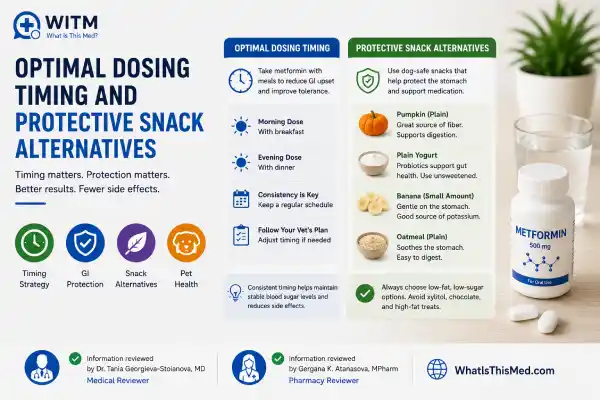
To safely resolve the side effects caused by choosing to take metformin on an empty stomach, you must adjust your daily dosing schedule around your meals. The primary goal is to ensure the tablet rests within a thick mixture of dietary fibers, healthy fats, and proteins inside your stomach cavity.
The ideal timing is to take your pill right in the middle of a heavy meal literally swallowing the tablet halfway through your breakfast or dinner. If your prescription schedule requires a dose at a time when you do not eat a full meal, you should never leave your stomach completely vacant. You can create a safe, effective buffer using small, low-glycemic snacks that protect your gut without causing unwanted blood glucose spikes:
- A handful of raw almonds or walnuts
- A cup of unsweetened Greek yogurt
- A single hard-boiled egg
- A small serving of avocado on whole-grain toast
By avoiding the temptation to take metformin on an empty stomach, you allow these dietary buffers to absorb the drug’s initial chemical force. This simple adjustment protects your stomach lining and helps prevent the deep physical fatigue that often accompanies sudden digestive distress. If you consistently feel drained and weak despite eating a proper diet with your medication, you should systematically evaluate Why Am I Tired After Taking Metformin? to discover if a hidden nutritional or metabolic imbalance is draining your daily energy.
🔬 What Does the Science Say? (Optimal Protective Buffers)
A clinical trial published in the Journal of Diabetes and its Complications evaluated how different food groups affect the bioavailability and gastric tolerance of biguanide medications. The researchers discovered that diets rich in complex dietary fibers and proteins create a protective, viscous gel layer over the upper intestinal walls.
The Clinical Conclusion: This natural fiber-and-protein barrier slows down the direct physical contact between the drug crystals and the mucosal tissues, reducing localized cellular irritation by up to 40%. This provides clear clinical proof that using even a minor snack buffer is infinitely safer than choosing to take metformin on an empty stomach.
RankMath FAQ – Empty Stomach Dosing Guide
What should I do if I accidentally took metformin on an empty stomach?
If you mistakenly took your dose without food, do not panic, but immediately eat a small, protective snack like a handful of nuts, a piece of cheese, or a slice of toast to help cushion your stomach lining. Drink plenty of plain water to dilute the concentrated chemical mass in your gut, and avoid drinking coffee or acidic juices for the next few hours. Track any digestive updates closely, and make sure your next dose is taken right in the middle of a full meal.
Can taking metformin on an empty stomach cause low blood sugar?
When used entirely on its own, choosing to take metformin on an empty stomach rarely causes severe, dangerous hypoglycemia (low blood sugar). This is because the drug works by making your existing insulin more effective and reducing liver glucose production, rather than forcing your pancreas to release excess insulin. However, if you combine an unbuffered dose with heavy exercise, alcohol, or other diabetes medications like insulin or sulfonylureas, your glucose levels can drop dangerously low.
Is it safe to take apple cider vinegar while taking metformin on an empty stomach?
Absolutely not. Combining apple cider vinegar while taking metformin on an empty stomach is an extremely dangerous clinical mistake that will cause severe digestive distress. Vinegar features a highly acidic pH that will aggressively burn an unbuffered stomach lining, worsen acid reflux, and cause intense abdominal cramping. Always keep your vinegar servings highly diluted and space them out far away from your prescription dosing times.
Can long-term stomach distress from empty dosing worsen nerve health?
Yes, it absolutely can. If you consistently force your digestive tract into a state of hyper-motility and inflammation by deciding to take metformin on an empty stomach, you compromise your bowel’s ability to extract vital micronutrients from your food. Over time, this gut stress can accelerate severe systemic drops. You should actively study whether you Should I Take Vitamin B12 With Metformin? to ensure your nervous system and red blood cells remain fully protected from long-term deficiency issues.
Medical Disclaimer
The comprehensive clinical profiles, dosing strategies, and educational materials provided across this article are intended strictly for general informational purposes. This content cannot substitute for individual, professional medical advice, direct clinical diagnosis, or personalized treatment plans from a licensed healthcare provider. Never change your prescription schedule, alter your medication timing, or stop your diabetes management plan without explicitly consulting your primary care physician or a registered pharmacist.
Sources
- PubMed Central (PMC). Pharmacokinetic Variations of Biguanides under Fasted and Fed Conditions in Healthy Volunteers.
- American Diabetes Association (ADA). Clinical Strategies for Managing Gastrointestinal Adverse Effects in Type 2 Diabetes Care.
- Journal of Diabetes and its Complications. Evaluation of Dietary Fiber Buffers on the Mucosal Tolerability of Oral Antidiabetic Drugs.
- Mayo Clinic Proceedings. Gastrointestinal Cation Transporter Overload and Serotonin-Induced Intestinal Motility.
Image Disclosure – Can You Take Metformin on an Empty Stomach?
Some images used on WhatIsThisMed.com may be AI-generated or digitally enhanced for educational and illustrative purposes. These images are intended to support patient understanding and should not be used for self-diagnosis or as a substitute for professional medical evaluation. Whatisthismed.com