
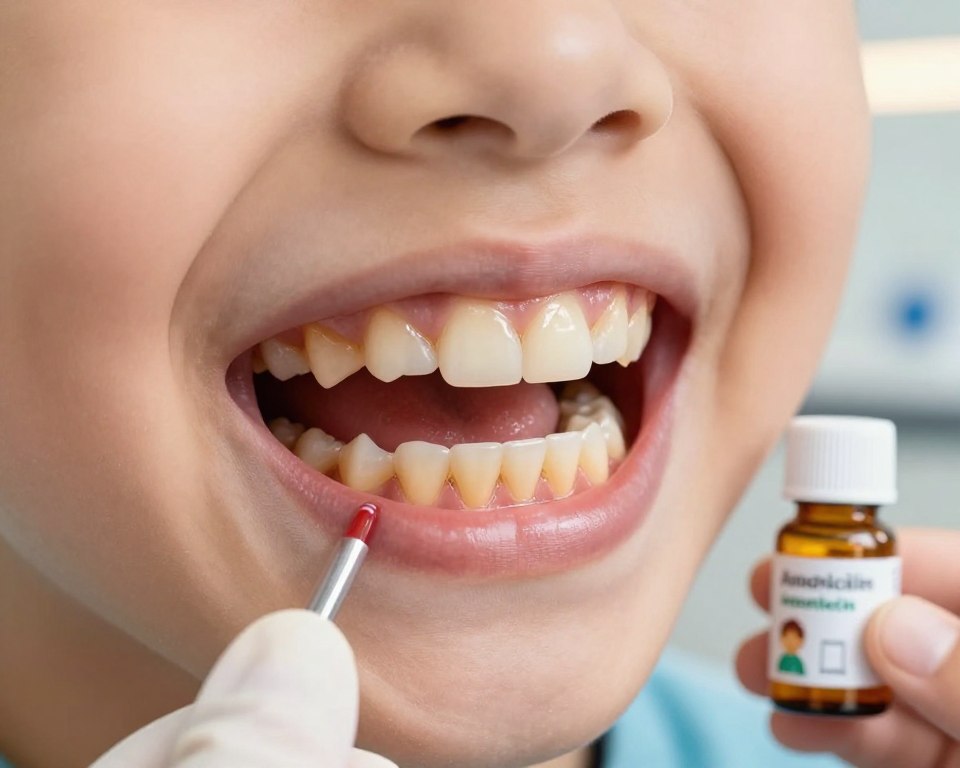
Did you know that nearly 70% of parents worry about antibiotics’ long-term effects on their kids’ teeth? These medicines are key in fighting infections. But, many parents wonder about their impact on oral health.
It’s important to know about Amoxicillin and Tooth Discoloration in Children. Many parents fear permanent damage. But, most discoloration is just a temporary surface issue.
This guide offers a pharmacist-verified look at the issue. It helps you tell apart harmless buildup from real enamel changes. We aim to give you clear, evidence-based info. This way, you can feel confident and well-informed as you navigate your family’s health needs.
Key Takeaways
- Most antibiotic-related dental stains are superficial and can be removed with proper hygiene.
- Distinguishing between extrinsic surface deposits and intrinsic enamel changes is a critical first step.
- Pharmacist-verified data confirms that standard antibiotic courses rarely cause permanent dental damage.
- Maintaining a consistent brushing routine during treatment helps prevent medication-related buildup.
- Consulting with a pediatric dentist provides the best path for addressing specific oral health concerns.
The Clinical Reality of Antibiotic Use in Pediatrics
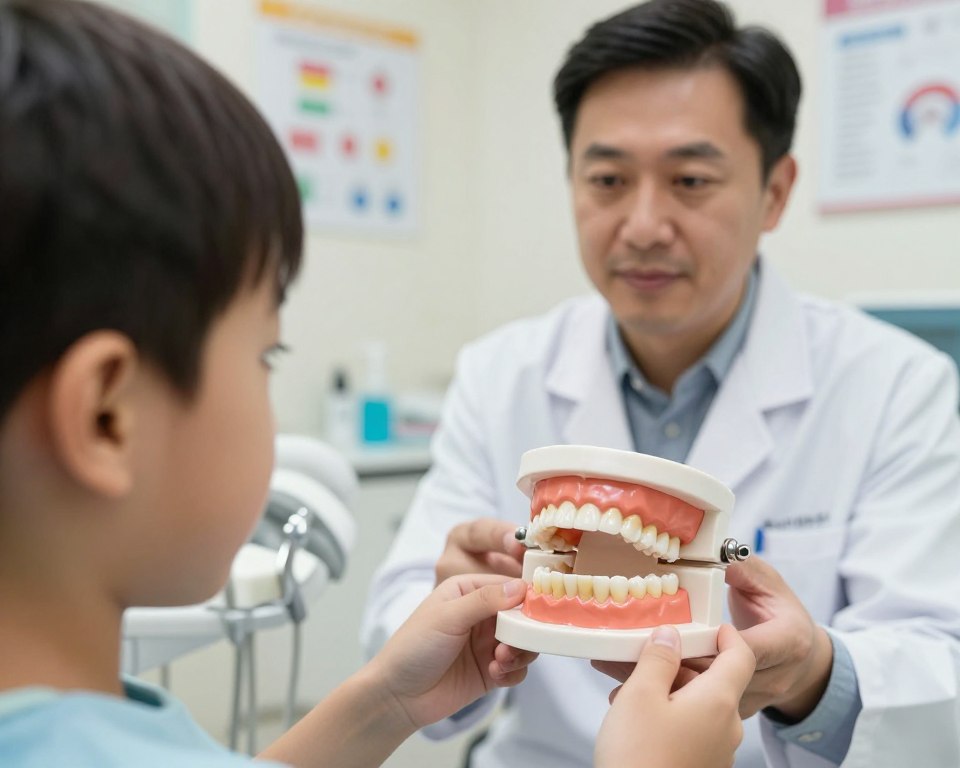
Clinical practice aims to treat infections while watching for side effects in kids. Parents worry about amoxicillin side effects in children, but treating the illness is key. Doctors must balance the benefits of treatment with possible minor changes.
Balancing Infection Control and Side Effects
Doctors give antibiotics to fight harmful bacteria in kids. It’s essential to finish the treatment, even if symptoms go away. Stopping early can make bacteria harder to treat later.
Parents might worry about how antibiotics look on their kids. While antibiotic-induced tooth discoloration can happen, it’s often not as big a deal as it seems. Most side effects can be managed with good communication with the doctor or pharmacist.
The Pharmacist’s Perspective on Pediatric Prescribing
As a pharmacist, I teach families about taking meds as directed. I tell them to check the amoxicillin guide for how to give the right dose. This helps avoid stains from dyes or additives.
I make sure the medicine fits the child’s needs and size. We watch for any bad reactions and help tell the difference between normal side effects and serious ones. Good oral hygiene is key to avoiding enamel changes during treatment.
Understanding Amoxicillin and Tooth Discoloration in Children
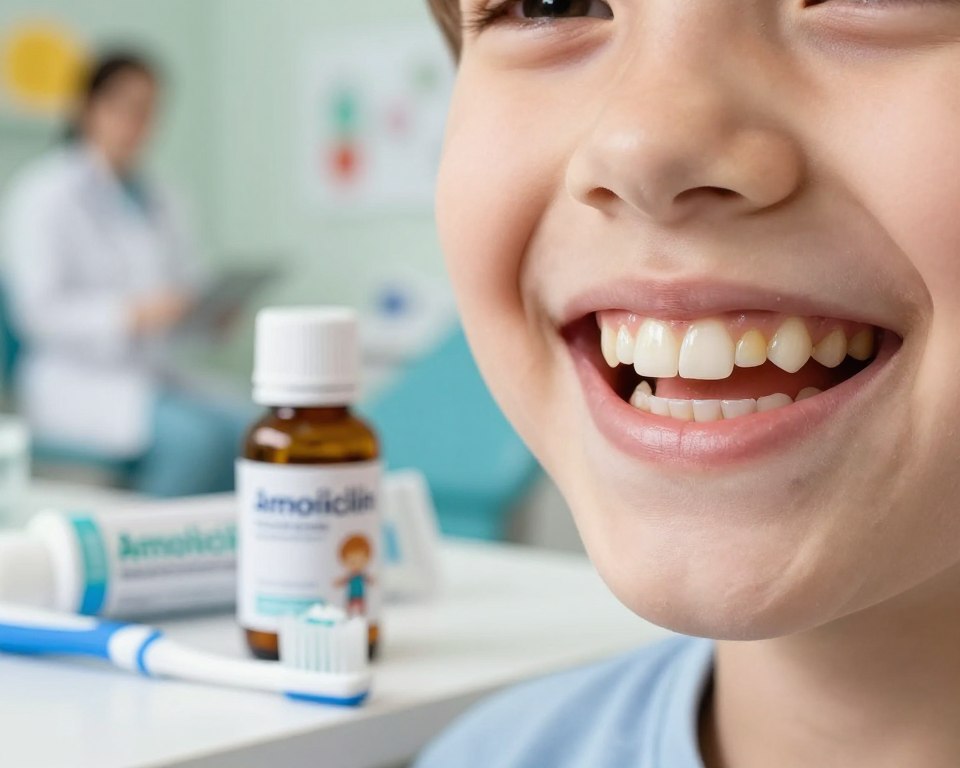
Amoxicillin and Tooth Discoloration in Children is a topic that needs clear, evidence-based answers to ease worries. Antibiotics are often linked to health issues, but they can also affect teeth. These effects are usually temporary and can be managed with the right advice.
Defining the Scope of the Concern
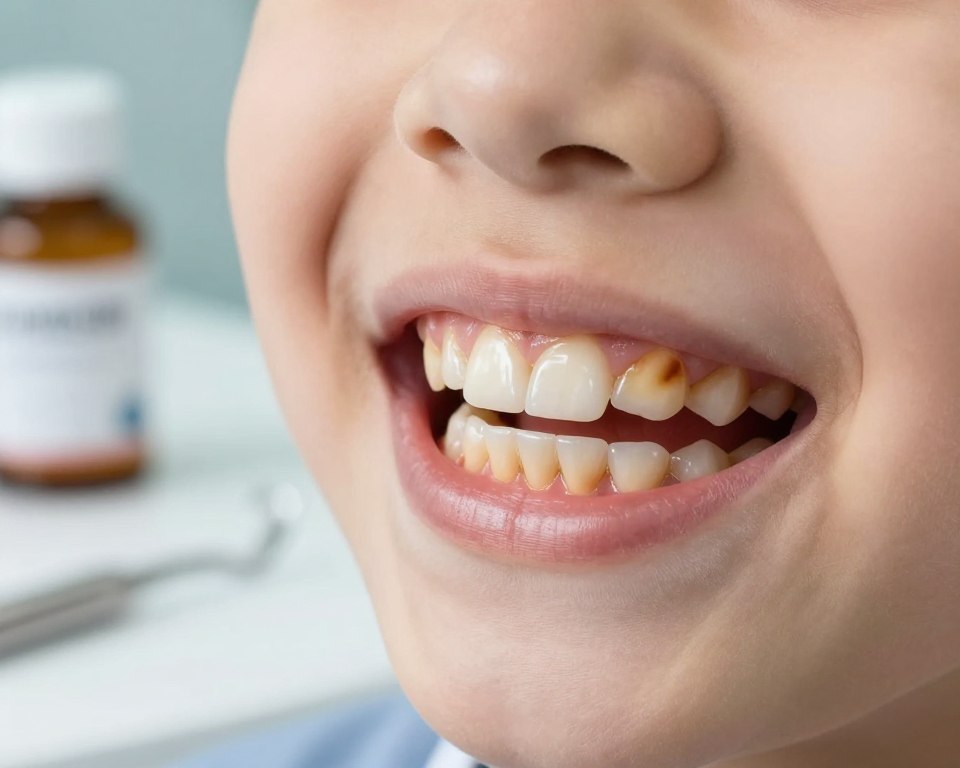
The main reason for these stains is how the medicine reacts with certain bacteria in the mouth. Liquid amoxicillin can mix with bacterial byproducts to create colored spots on the enamel. It is important to note that these stains are usually on the outside of the tooth, not inside.
Parents should know that these stains don’t mean permanent harm to the tooth. Most cases can be fixed with good oral hygiene. For more help, learning how to remove amoxicillin stains from teeth can help restore a child’s smile.
Why Parents Notice Changes During Treatment
The visibility of tooth discoloration from amoxicillin depends on how long the treatment lasts and the dosage. These stains take time to show up, often over weeks or months. Parents, who watch their children closely, are the first to see these changes.
It’s important to tell the difference between side effects of treatment and dental problems. Regular brushing can help prevent these stains. If the discoloration doesn’t go away, seeing a pediatric dentist is the best way to keep teeth healthy.
The Biological Mechanism of Enamel Staining
Tooth formation is a delicate process that can be affected by outside substances. When kids take medicine, their bodies process it in different ways. This helps explain why some parents notice changes in their child’s teeth.
How Antibiotics Interact with Developing Teeth
Teeth are always growing and getting stronger in young children. Some antibiotics can stick to calcium, which is key for strong teeth. When these medicines are in the blood, they might attach to calcium ions during tooth growth.
This attachment could mess up the tooth’s structure. But, tooth discoloration from amoxicillin is not as well-known as other antibiotics. Studies show amoxicillin works differently and is less likely to cause lasting stains.
“The integrity of dental enamel depends on a precise balance of minerals during the formative years of childhood development.”
The Difference Between Systemic and Surface Effects
It’s important to know the difference between changes inside the tooth and stains on the surface. Internal changes happen when the medicine gets mixed into the tooth as it grows. These changes are usually permanent because they’re deep inside the tooth.
On the other hand, surface stains are just on the outside. They can come from medicine, bacteria, or food. Many cases of amoxicillin staining teeth are not permanent. They can be cleaned off with good oral care or a dentist’s help. Knowing this is crucial for parents to understand what treatments can do.
Distinguishing Between Intrinsic and Extrinsic Staining
When looking at dental changes in kids, it’s key to tell surface stains from deeper changes. Knowing the source of teeth staining in children helps find the right treatment. Some stains go away with brushing, but others need a dentist’s help.
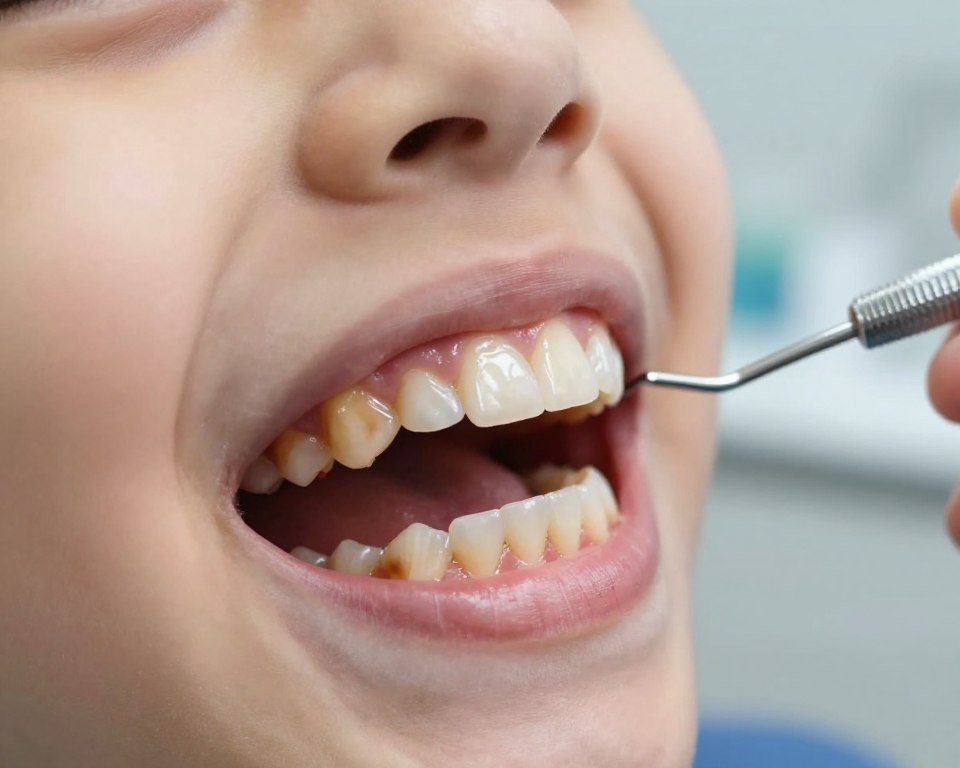
Identifying Surface Deposits
Extrinsic stains are on the tooth’s outer layer, called enamel. They come from food, bad brushing, or medicine. These stains are temporary and can be fixed with regular dental care.
Parents can tackle these stains by brushing better or getting a cleaning. A dental hygienist can remove these stains with special tools. This makes the tooth look normal again without hurting it.
Understanding Permanent Enamel Alterations
Intrinsic staining is different because it’s deep inside the tooth. Worries about amoxicillin staining teeth are common, but true intrinsic stains are rare. They are in the dentin or inner enamel and can’t be cleaned off.
Dealing with these stains needs a comprehensive approach from a pediatric dentist. Because they’re deep, they can’t be brushed away. Knowing this helps parents understand their child’s smile better.
Common Misconceptions Regarding Antibiotic Side Effects
When we talk about amoxicillin side effects in children, it’s important to know the difference between temporary issues and serious harm. Many parents worry when they see changes in their child’s teeth during treatment. But, most of these worries come from myths that don’t match the facts.

Debunking Myths About Permanent Damage
One big worry is that antibiotics will permanently damage growing teeth. But, most discoloration is extrinsic, meaning it’s on the tooth’s surface, not inside. These surface stains are usually temporary and can be cleaned off with regular brushing.
“Clinical data consistently shows that standard pediatric antibiotic courses do not alter the fundamental mineral composition of healthy, developing enamel.”
Separating Correlation from Causation
It’s key to know the difference between correlation and causation when looking at amoxicillin side effects in children. Often, the illness itself, like fever or less saliva, causes more dental changes than the medicine. Parents should think about how their child’s diet and brushing habits change when they’re sick.
The table below shows the difference between what people think and what really happens with these medications.
| Common Myth | Clinical Reality | Impact Level |
|---|---|---|
| Antibiotics cause permanent stains | Staining is usually surface-level | Low |
| Medication weakens tooth enamel | Enamel integrity remains stable | None |
| All color changes require treatment | Most resolve with regular brushing | Minimal |
By sticking to good oral care, families can handle amoxicillin side effects in children without too much worry. Keeping up with a routine helps get rid of any surface stains quickly. When parents understand this, they can support their child’s recovery better.
The Role of Oral Hygiene During Antibiotic Therapy
Keeping up with dental care for kids is even more important when they’re sick. Parents often focus on rest and staying hydrated, but oral hygiene is key to avoid discoloration. Regular cleaning removes medication residue and plaque from teeth.
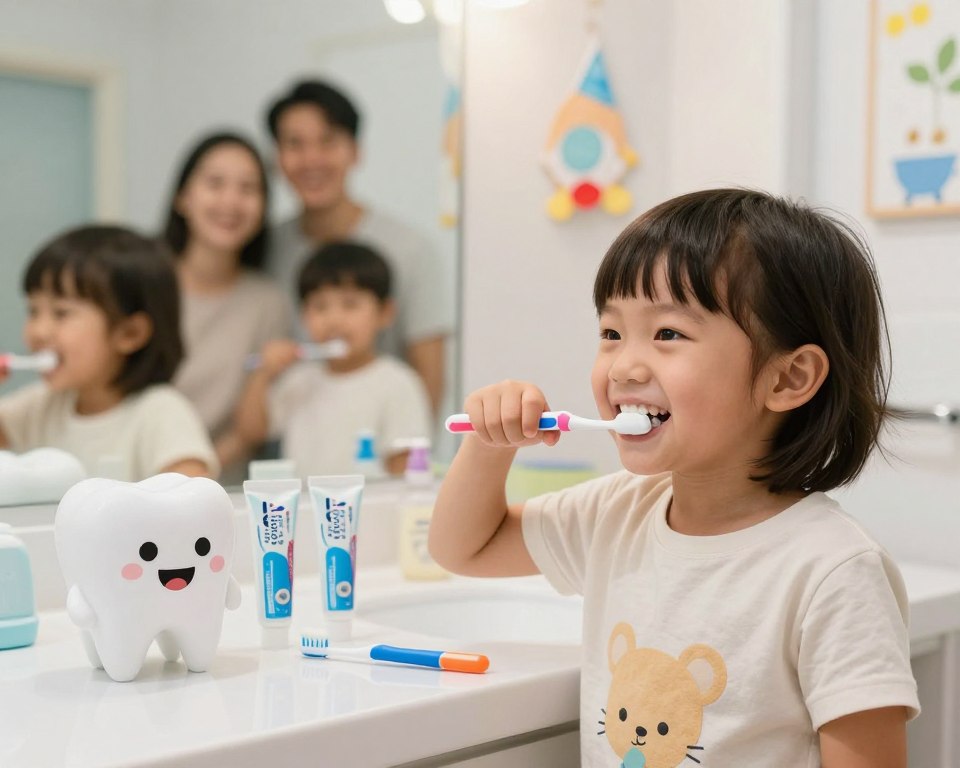
Best Practices for Brushing While Sick
It’s easy to skip daily routines when a child is sick, but keeping their mouth clean is vital. Gentle brushing twice a day is best to prevent plaque. If your child is feeling nauseous or tired, help them with a soft-bristled brush to clean all surfaces gently.
Studies show that good oral health is linked to overall health. Even if your child is tired, a quick brush can prevent stains. If you notice any unusual changes, like those from antibiotic side effects, talk to your pediatrician right away.
Choosing the Right Toothpaste for Sensitive Enamel
Choosing the right toothpaste is important for dental care for kids during antibiotic treatment. Look for toothpaste with fluoride to strengthen enamel. Avoid abrasive whitening toothpastes that can irritate gums or damage teeth.
The table below shows habits to keep up during treatment to ensure good oral health.
| Habit | Frequency | Benefit |
|---|---|---|
| Fluoride Brushing | Twice Daily | Strengthens enamel |
| Gentle Flossing | Once Daily | Removes hidden residue |
| Water Rinsing | After Medication | Neutralizes acidity |
| Soft Brushing | As Needed | Protects sensitive gums |
By following these simple steps, you ensure the best dental care for kids while they recover. Consistency is key to keeping their smile healthy and bright during treatment.
Evaluating the Impact of Liquid Medication Formulations
Looking closely at what’s in liquid medicines is key to keeping your child’s teeth safe. These medicines are made to taste good, but some ingredients might harm teeth. Knowing this can help parents avoid antibiotic-induced tooth discoloration during treatment.
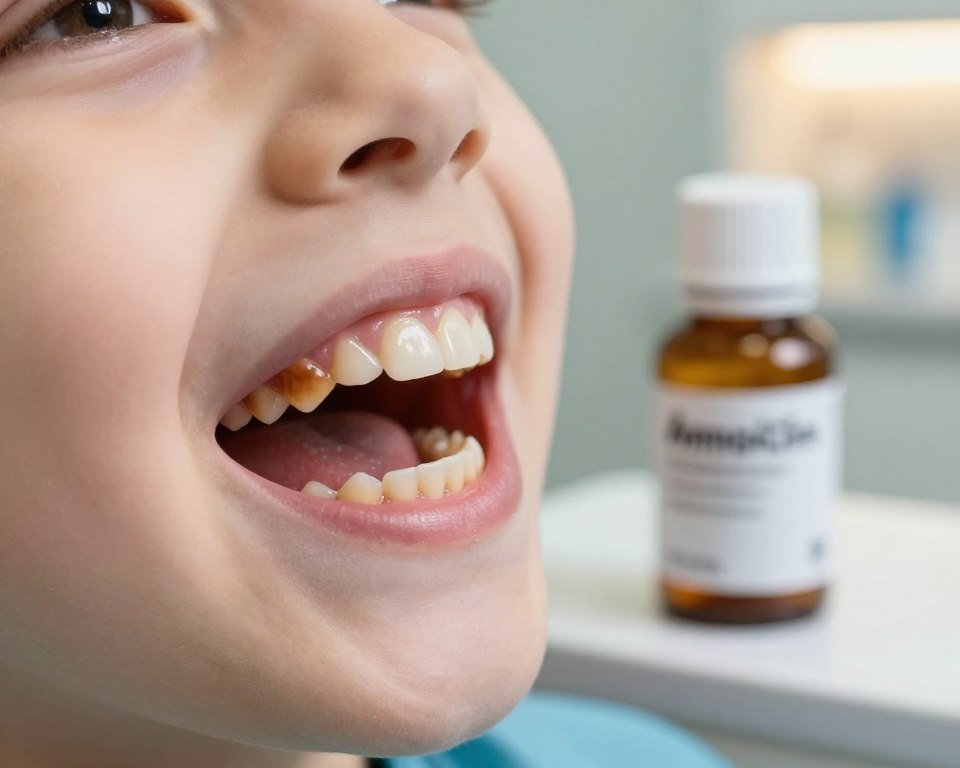
Sugar Content and Bacterial Growth
Many liquid antibiotics have lots of sugar to hide their taste. This sugar feeds oral bacteria, making them grow. Bacteria breaking down these sugars can weaken tooth enamel.
This can cause more plaque, which traps medication pigments against teeth. If not cleaned, this can lead to antibiotic-induced tooth discoloration. Poor oral hygiene while sick can make it worse.
The Role of Dyes and Flavoring Agents
Companies add artificial dyes and strong flavors to make medicines more appealing. These are safe but can stick to teeth. Darker dyes can leave stains on teeth.
These stains might look permanent but usually aren’t. Rinsing with water after giving medicine can help. This simple step can prevent antibiotic-induced tooth discoloration and keep teeth looking good.
| Additive Type | Primary Function | Potential Dental Impact |
|---|---|---|
| Sucrose/Fructose | Improves palatability | Promotes bacterial plaque growth |
| Artificial Dyes | Visual identification | Causes extrinsic surface staining |
| Citric Acid | Flavor enhancement | May contribute to enamel softening |
When to Consult a Pediatric Dentist
Pediatric dentistry is key in spotting early signs of enamel changes when kids are sick. Many changes are just temporary, but a pro’s eye keeps your child’s teeth safe long-term. Regular checks help tell the difference between normal buildup and real enamel problems.

Recognizing Warning Signs of Enamel Erosion
Keep an eye on your child’s teeth after antibiotics. Look for signs that the enamel might be stressed. Persistent dullness that doesn’t go away with brushing is a big red flag.
Also, watch for fine cracks or rough spots on the teeth. If stains don’t go away with good brushing, it’s time to see a dentist. Catching problems early means less invasive fixes and less damage.
Scheduling Routine Screenings During Illness
Adding dental checkups to your child’s health routine gives you peace of mind. A pro can tell if changes are just stains or need attention. Early care is key to keeping young teeth strong.
| Observation | Typical Status | Action Required |
|---|---|---|
| Surface Dullness | Often temporary | Monitor and brush |
| Persistent Staining | Requires assessment | Consult pediatric dentistry |
| Enamel Cracking | High concern | Immediate dental visit |
| Rough Texture | Potential erosion | Professional screening |
Having a pediatric dentist on your team means any problems get caught early. These regular visits are like a safety net. They let you focus on your child’s health while experts handle their teeth.
Preventive Strategies for Maintaining Enamel Health
Protecting your child’s smile is key when they’re on medication. By using certain habits, you can lower the chance of teeth staining in children. This keeps their teeth healthy overall.
Hydration and Saliva Production
Saliva is like a shield for your mouth. It fights off bad stuff and helps clean away medicine residue.
Make sure your child drinks lots of water all day. Drinking enough water keeps the mouth wet. This helps keep teeth strong.
Dietary Adjustments During Antibiotic Courses
What your child eats matters when they’re on antibiotics. Eating less sugary snacks and sticky foods is very important. It helps avoid bad interactions with medicine.
Sugar feeds mouth bacteria, leading to stains. Choose water over juice and cut down on sweets. This reduces the risk of teeth staining in children while they recover.
Eating crunchy, water-rich foods like carrots or celery helps clean teeth naturally. Making these small changes is the start of a strong plan for your child’s dental health.
Professional Cleaning and Remediation Options
When home care can’t get rid of tough stains, it’s time to see a dentist. Managing tooth discoloration in young patients needs special tools and skills found in pediatric dental offices. These treatments are safe, quick, and don’t hurt kids.
What to Expect at the Dental Office
A dentist or hygienist will first check the stains during a visit. They figure out if the stains are just on the surface or deeper. This helps pick the right treatment for the child.
The team uses special tools to clean off plaque and stains that brushing can’t get. These tools are made for kids, so they stay calm. Parents can feel confident that these cleanings keep their child’s teeth healthy.
Non-Invasive Solutions for Surface Stains
For stains on the surface, the dentist polishes the teeth. They use a special paste and brush to remove stains from food or medicine. It’s a safe and effective way to managing tooth discoloration in young patients without harsh chemicals.
This method only works on the outer layer of the tooth. Most kids find it tickly, not painful. By choosing these gentle methods, dentists help kids smile brightly and build good dental habits.
The Importance of Early Dental Intervention
Early dental care is key for a child’s oral health. By focusing on pediatric dentistry, parents can help their kids get the right dental care. This helps prevent problems instead of just treating them.
Building Positive Dental Habits Early
It’s important for kids to feel comfortable at the dentist. Regular visits help them see dental care as normal and safe. This makes them less scared during future visits.
Parents are also important in teaching good dental habits. By brushing and flossing regularly, kids learn important lessons. These habits help keep their teeth strong and healthy.
Addressing Concerns Before They Escalate
Spotting problems early makes them easier to fix. A small tooth issue or gum change can be treated quickly. Waiting too long can lead to bigger problems.
Regular dental check-ups are the best way to keep a child’s teeth healthy. With pediatric dentistry, dentists can watch how teeth grow and give advice. Good dental care for kids helps them have a healthy, happy smile for life.
Navigating Parental Anxiety During Treatment
Seeing changes in your child’s teeth can worry you. It’s normal to feel concerned when your child’s oral health changes while they’re sick. We aim to offer a calm, fact-based view on managing tooth discoloration in young patients.
Communicating with Your Healthcare Provider
Talking openly with your child’s doctor or pharmacist helps a lot. Feel free to ask about the medicine your child is taking and its side effects. For example, you might wonder if you can give them milk with amoxicillin to help at home.
When you talk to your provider, keep a simple log of:
- The exact time you first saw the discoloration.
- Any changes in your child’s tooth brushing routine.
- The exact amount and how often they take the medicine.
Managing Expectations for Recovery
Many dental stains are temporary and can be fixed with good care. Even if changes look scary, they’re often just on the surface and can be handled with regular brushing. When managing tooth discoloration in young patients, being patient and consistent is key.
If you’re worried about your child’s enamel long-term, see a specialist. Guides like this one on MIH and dental problems can help you know when to seek expert help. Professional advice means you’re following a safe, medical path for your child’s dental health.
Medical Review and Clinical Oversight Standards
It’s key to know the difference between general health info and personal medical advice for safety. We follow strict standards to make sure our content is right and useful. Our team checks every health and safety claim about kids and medicine carefully.
The Importance of Expert Verification
A licensed Master Pharmacist wrote this article for accuracy. Another Master Pharmacist reviewed it to double-check. An active doctor also looked over it to make sure it’s good for kids.
This collaborative verification process makes sure our info meets medical standards. We mix pharmacy knowledge with doctor experience for the best advice on kids’ health. This way, we avoid mistakes and keep advice based on solid science.
Understanding the Limits of Online Health Information
Digital health info has its limits. We aim to give you lots of data, but it’s for general info only. It’s not a replacement for your doctor’s advice, diagnosis, or treatment plan.
“Always consult your doctor or a registered pharmacist before starting, stopping, or changing any medication routine for your child.”
The table below shows the difference between general health info and personal medical advice. It helps you understand your child’s health better.
| Feature | General Health Information | Personalized Clinical Advice |
|---|---|---|
| Scope | Broad, population-based data | Individual patient history |
| Diagnosis | Educational overview only | Direct physical examination |
| Treatment | Standardized guidelines | Customized medication plans |
| Accountability | Informational accuracy | Legal and clinical responsibility |
Your healthcare team knows your child’s medical history best. Use this info to talk with your pediatrician or pharmacist. Proactive communication with your local medical team is the safest way to handle health issues.
Image Disclosure and Educational Integrity
We are committed to providing reliable health information. We know that health topics can be overwhelming, like when they involve children. So, we use visual tools to make complex data easier to understand and help you make informed choices.
The Use of Visual Aids in Patient Education
Visual aids help connect medical texts to real-life understanding. They use diagrams and illustrations to show how medicines work in children’s bodies. This is based on studies on antibiotic safety. These tools aim to help, not replace, your doctor’s advice.
Some images on our site might be AI-made or edited. These methods help us show complex biological processes clearly. Our goal is to make sure you understand pediatric health basics without getting confused.
Ethical Standards for Digital Illustrations
We follow strict ethical standards for our digital illustrations. We believe visual content should be used carefully to protect our audience’s health. Here’s how we ensure safety:
- Educational Purpose: Our visuals are made to help understand medical ideas.
- No Self-Diagnosis: These images should never replace a medical evaluation by a professional.
- Clinical Context: They are meant to support, not replace, your healthcare provider’s advice.
- Accuracy Commitment: We aim to keep all digital images based on the latest scientific evidence.
If you’re worried about your child’s dental health or medication side effects, talk to a professional. Using digital images for diagnosis can cause confusion. Always talk directly to your pediatrician or dentist for specific health concerns.
Future Perspectives on Pediatric Antibiotic Safety
The future of pediatric care looks bright, with a focus on keeping infections under control and protecting teeth. Medicine is moving towards treatments that care for young patients’ long-term health. New technologies aim to reduce side effects while keeping treatments effective.
Advancements in Medication Delivery
Pharmaceutical science is working hard to make treatments better for kids. Targeted delivery systems are being developed to get medicine to the right place without harming other parts. These systems aim to avoid dyes and sugars that can harm teeth.
Taste-masking technologies are getting better too. They make medicines taste better, so kids don’t need extra additives. This change is a big step towards keeping kids’ teeth safe while they recover.
Ongoing Research in Dental Health
Scientists are studying how antibiotics affect growing teeth. They’re looking into enamel-sparing formulas that protect teeth from acid and stains. This research is key to finding treatments that are good for both health and teeth.
Parents can trust that doctors are working hard to improve care for kids. Clinical trials and studies are helping to make guidelines better. As we move forward, these advances will help kids get the best care possible.
Conclusion
Managing antibiotics is key to keeping teeth and overall health safe. Tooth discoloration is a worry, but good oral care and dentist visits can help a lot.
Parents must watch over their child’s teeth closely during treatment. Brushing and drinking water regularly can prevent stains. A pediatric dentist can tell if stains are just on the surface or deeper.
Talking to your pediatrician about side effects is important. Ask about the ingredients in medicines to know how they affect teeth. This helps families make choices that keep teeth healthy and bright.
We suggest talking to your local dentist about your concerns. They can give your child care that fits their needs. Taking these steps now helps your child have healthy teeth for life.
FAQ
Can Amoxicillin and Tooth Discoloration in Children lead to permanent damage?
Most of the time, amoxicillin side effects on teeth in kids are just on the surface. This means the stains are on the outside of the enamel. Amoxicillin usually causes temporary stains because it interacts with oral bacteria.
But, some antibiotics can permanently discolor teeth by binding to calcium. This happens during the mineralization of permanent teeth. To prevent this, kids need to take good care of their teeth.
How do I distinguish between surface stains and internal enamel changes?
We call tooth discoloration from amoxicillin either extrinsic or intrinsic. Extrinsic stains are on the surface and can be brushed away. They look like yellow, brown, or gray spots.
Intrinsic staining goes deeper into the tooth. If the discoloration doesn’t go away with brushing, see a pediatric dentist. They can check how deep the stain is.
Why do liquid antibiotic formulations contribute to amoxicillin staining teeth?
Liquid antibiotics often have sugars and dyes to taste better. These can help bacteria grow and stick to teeth. To avoid stains, rinse your child’s mouth with water or brush teeth after each dose.
What are the most effective strategies for managing tooth discoloration in young patients at home?
Keeping teeth clean is key. Even when sick, brush teeth twice a day with fluoride toothpaste. This removes bacteria where stains can form.
For liquid amoxicillin, use a straw or drink water right after. This helps protect teeth from stains.
When is it necessary to seek professional pediatric dentistry intervention for antibiotic stains?
If stains don’t go away after antibiotics, see a dentist. A dentist can polish teeth to remove stains. This makes teeth bright again without hurting the enamel.
They also check the enamel’s health. This is important during recovery.