

I once talked to a patient who was upset because their infection wasn’t getting better. They were taking their medicine and a strong mineral supplement at the same time. This mistake often makes the medicine less effective.
Many think mixing health products is okay, but science says it’s not. Some minerals can stick to antibiotics in your stomach. This makes it hard for your body to break them down. Knowing how to take Amoxicillin and Multivitamins Together is key to keeping your treatment strong.
I want to share important info to help you avoid these problems. By changing when you take your medicine, you can keep it working right. This is important for your health and following your doctor’s plan.
Key Takeaways
- Mineral supplements can physically bind to antibiotics, preventing proper absorption.
- Timing is the most effective strategy to avoid negative drug interactions.
- Always consult your pharmacist about the specific components in your daily supplements.
- Maintaining a gap between doses preserves the efficacy of your prescribed medication.
- Evidence-based scheduling supports both your recovery and your long-term wellness goals.
Understanding the Mechanism of Amoxicillin
Effective infection management starts with a drug that stops harmful bacteria from growing. When a doctor prescribes amoxicillin, they aim to stop the bacteria from thriving. This requires knowing how the drug works with bacterial biology.

How Penicillin-Class Antibiotics Function
Amoxicillin is a type of penicillin antibiotic. These drugs target bacteria by stopping them from making their cell walls. Without a strong wall, bacteria burst, a process called bacteriolysis.
The drug works by blocking the bacteria’s ability to build their cell walls. This is done through specific chemical actions. Key parts of this process include:
- Binding to Penicillin-Binding Proteins (PBPs): The drug attaches to enzymes needed for cell wall building.
- Disruption of Peptidoglycan Synthesis: By blocking these enzymes, the antibiotic stops the bacteria from sticking together.
- Inducing Cell Death: With the wall broken, the bacteria burst and die from internal pressure.
The Role of Amoxicillin in Bacterial Infection Treatment
In treating infections, the antibiotic’s success depends on keeping its levels steady in the blood. If the levels fall, bacteria might grow back or become resistant. Doctors stress the need to follow the exact dosing schedule.
Consistency is key to success. With the right drug levels, infections can be fully cleared, not just controlled. Patients should see their medication schedule as a critical part of their healing. Any changes in how the drug is taken can affect its effectiveness.
The Nutritional Landscape of Multivitamins
Multivitamins help fill gaps in our diet. They are meant to boost our health. But, their high mineral content can interact with medicines in unexpected ways.
Supplements are not just empty pills. They have active ingredients that can affect how our bodies absorb medicines.
Common Components Found in Daily Supplements
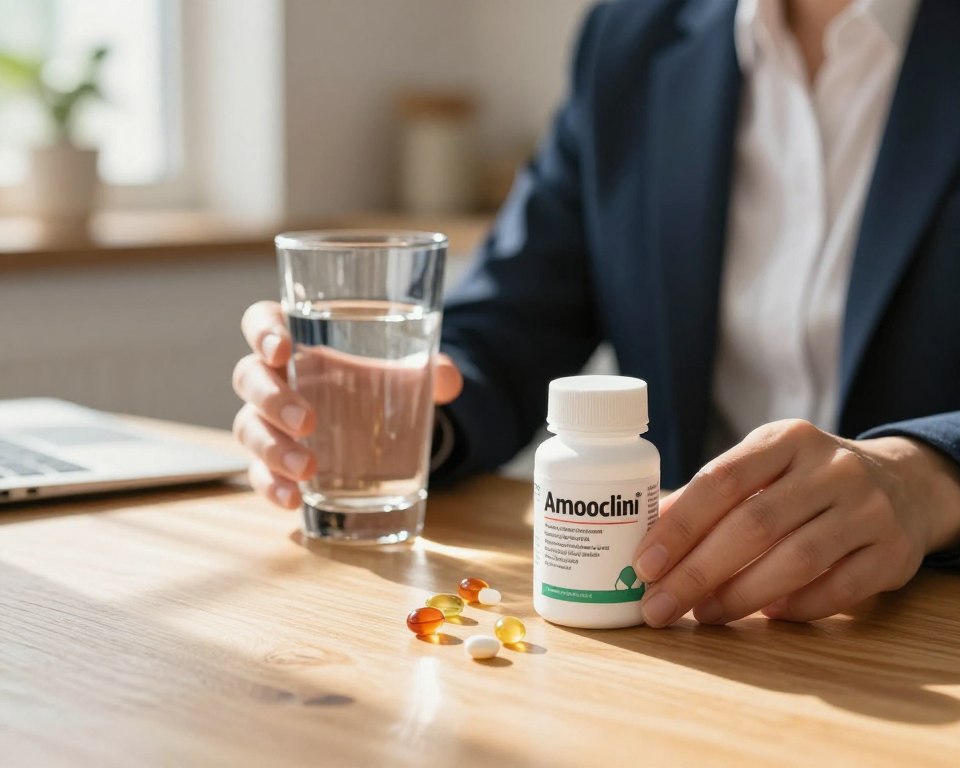
Most multivitamins have vitamins and minerals. The key ones for drug interactions are divalent and trivalent cations. These include calcium, magnesium, iron, and zinc.
These minerals are good for us but can also bind to medicines. If taken with antibiotics, they might not work right.
This can make the medicine less effective. It’s because the minerals form complexes that block the medicine’s absorption.
Why Patients Often Combine Antibiotics and Vitamins
Many people take Amoxicillin with Multivitamins to boost their immune system. They want to get better faster and feel supported.
They think vitamins are safe, so they mix them with medicines. But, combining Amoxicillin and Multivitamins needs careful planning to keep the antibiotic working.
Even though the goal is good, mixing these can have bad effects. By controlling when they take them, patients can stay healthy without harming their recovery.
The Science Behind Amoxicillin and Multivitamins Together
When you take Amoxicillin and Multivitamins together, a specific chemical process occurs in the digestive tract. This interaction is not just about timing but a fundamental reaction between molecules. Understanding these dynamics helps patients keep their therapeutic efficacy of antibiotics.
Chemical Interactions and Chelation Explained
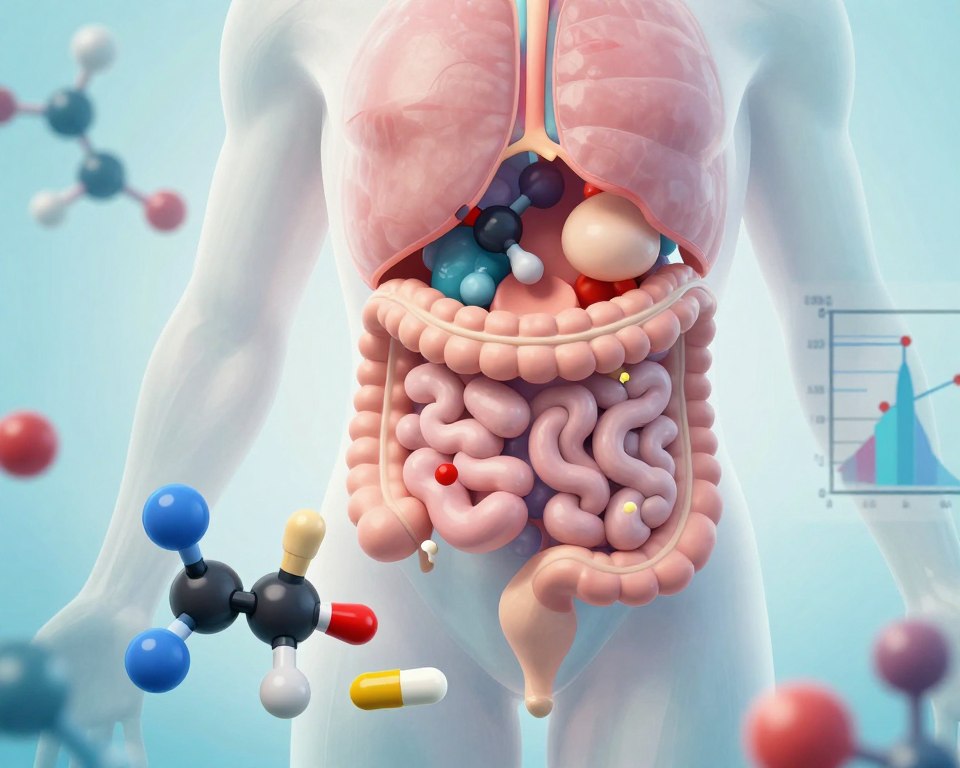
The main worry about Amoxicillin and Multivitamins is a process called chelation. During this chemical event, positively charged mineral ions in supplements bind to the antibiotic molecules. This creates a new, insoluble complex that the body can’t absorb.
Because the body can’t process this complex, the medication passes through the digestive system without being absorbed into the bloodstream. This chemical binding effectively neutralizes the drug before it can fight infections. So, the drug’s intended antibacterial action is greatly reduced.
How Mineral Binding Affects Drug Absorption
Looking at Amoxicillin and Multivitamins compatibility means understanding how these insoluble complexes affect treatment outcomes. When the drug is bound to minerals, the antibiotic’s concentration in the plasma drops below what’s needed to kill bacteria. This can lead to treatment failure or the growth of resistant bacteria.
Clinical pharmacology shows that this physical binding is a well-documented phenomenon. Patients should know that the negative effects of combining Amoxicillin and Multivitamins come from these predictable chemical reactions. By understanding these risks, individuals can manage their supplement intake better to keep their health recovery on track.
Identifying High-Risk Minerals in Supplements
When you take Amoxicillin and Multivitamins together, it’s key to understand what’s in your supplements. Many supplements have minerals like calcium and magnesium. These minerals can bind to antibiotics in your stomach.
This binding, called chelation, stops the antibiotic from getting into your blood. This makes the antibiotic less effective against infections. It’s important to know that these minerals are not just in vitamins. They’re also in many over-the-counter antacids for stomach relief.
The Role of Calcium and Magnesium
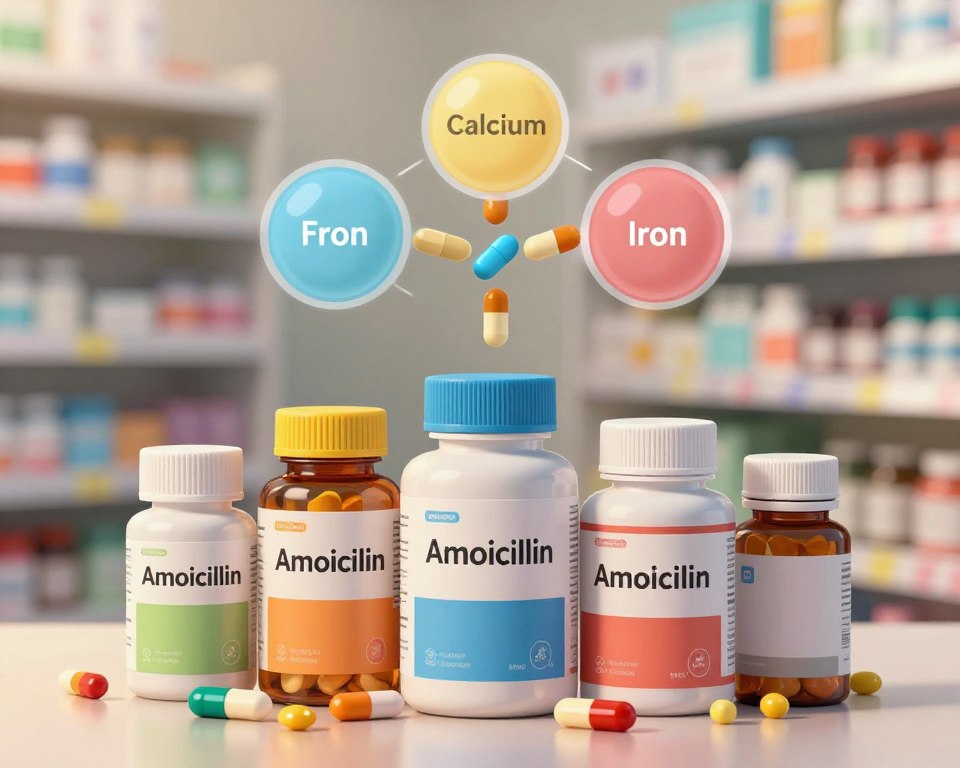
Calcium and magnesium are important for health, but they can also interact with drugs. They are often found in high amounts in multivitamins and mineral-based antacids. If you’re wondering about their effect on your treatment, you can learn more about can I drink milk with amoxicillin.
These minerals can bind to antibiotics, reducing their effectiveness. This is a big concern when taking Amoxicillin and Multivitamins together. Always check your supplement labels for these ingredients during your recovery.
Impact of Iron and Zinc on Antibiotic Efficacy
Iron and zinc are also found in supplements that can affect antibiotic absorption. Like calcium and magnesium, they form insoluble complexes with antibiotics. This makes it hard for your body to absorb the antibiotic, leading to a reduced therapeutic effect.
Patients should be careful if their multivitamin has high amounts of these minerals. The best way to avoid these risks is to manage when you take your supplements. The table below shows the minerals that can interfere with antibiotic absorption.
| Mineral Type | Common Sources | Interaction Risk |
|---|---|---|
| Calcium | Multivitamins, Antacids, Dairy | High |
| Magnesium | Supplements, Laxatives | Moderate to High |
| Iron | Multivitamins, Iron Pills | Moderate |
| Zinc | Immune Support Supplements | Moderate |
Clinical Implications of Co-administration
Understanding the interactions between Amoxicillin and Multivitamins is key. Taking them together can harm the treatment meant to heal. This shows why making informed choices is critical when sick.
Reduced Therapeutic Efficacy of Antibiotics
The main worry with Amoxicillin and Multivitamins co-administration is how minerals bind to the antibiotic. This makes the drug less soluble and harder to absorb. As a result, the drug’s strength is reduced, making it less effective against bacteria.
This doesn’t come from the drug being toxic. Instead, it’s because the drug’s strength is lost. Patients might think they’re being healthy, but they’re actually weakening the antibiotic. It’s important to watch for signs that the treatment isn’t working to avoid prolonged infections.
Potential for Prolonged Infection Recovery
When the antibiotic is harder to absorb, the body takes longer to fight off the infection. This can cause prolonged recovery periods and more risks of complications. Knowing the Amoxicillin and Multivitamins health effects is vital for those on treatment.
| Clinical Factor | Impact on Recovery | Risk Level |
|---|---|---|
| Mineral Binding | Reduced Drug Potency | High |
| Delayed Absorption | Extended Illness Duration | Moderate |
| Treatment Failure | Increased Complications | High |
| Patient Adherence | Improved Outcomes | Low |
Timing Strategies for Optimal Supplementation
When you’re taking Amoxicillin with Multivitamins, managing your medication schedule is key. Some minerals can block the absorption of antibiotics in your gut. So, the timing of your doses is very important for effective treatment.
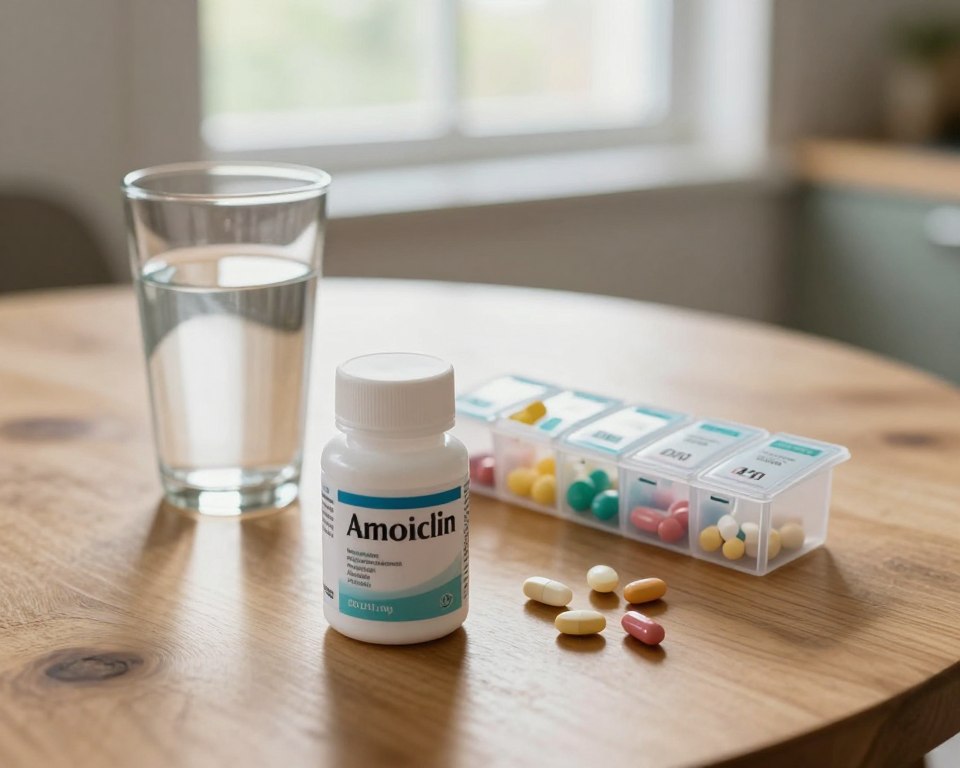
The Two-Hour Rule for Medication Spacing
Doctors and pharmacists often suggest a two-hour gap between your antibiotic and any mineral supplement. This break lets the antibiotic get into your blood first. Then, the minerals can reach your gut without interfering.
This separation stops a chemical reaction called chelation. It keeps the antibiotic strong and able to fight the infection well.
Managing Daily Dosing Schedules Effectively
To successfully taking Amoxicillin with Multivitamins, you need to stick to a routine. Make sure to take your antibiotics first. Then, you can take your supplements at a different time.
Here are some tips to keep your schedule:
- Set digital reminders on your phone for your antibiotic doses.
- Take your multivitamin with dinner if you take antibiotics in the morning.
- Use a pill organizer to keep your medications and vitamins separate.
- Talk to your pharmacist if you need to take antibiotics more than once a day. They can help plan a safe 24-hour schedule.
Being consistent is the most important thing for your recovery. By making these small habits, you keep your treatment plan strong while also meeting your nutritional needs.
Patient Safety and Medication Adherence
Your safety depends on talking openly with your healthcare team. When you take antibiotics, tell them about all supplements or herbal products you use. This helps avoid problems during your recovery.
Communicating with Healthcare Providers
Many people don’t tell their doctors about vitamins. Knowing everything about your health helps your doctor advise better on Amoxicillin and Multivitamins co-administration. If you’re unsure, bring the product to your doctor’s visit.

Also, ask your pharmacist about possible interactions. They can tell you if you should change your dosing schedule to keep your antibiotic working well. Being proactive helps your body get the most from your medication.
Reading Supplement Labels for Hidden Minerals
Supplement labels often list complex names for common minerals. Minerals like magnesium oxide, calcium carbonate, or zinc gluconate can affect how your body absorbs medication. Reading these labels carefully helps manage the risks of taking Amoxicillin and Multivitamins together.
Consistency in your routine is key to avoiding these interactions. If a supplement has high levels of divalent cations, it’s safer to take it apart from your antibiotic. Use the table below to find common minerals that need careful timing.
| Mineral Type | Common Sources | Interaction Risk |
|---|---|---|
| Calcium | Dairy, Bone Health Supplements | Moderate to High |
| Magnesium | Multivitamins, Sleep Aids | Moderate |
| Zinc | Immune Support Formulas | Low to Moderate |
| Iron | Multivitamins, Anemia Supplements | High |
Common Myths Regarding Antibiotic Interactions
When you’re sick, it’s easy to get confused about supplements and drugs. Many people think all supplements are bad for their treatment. But, the truth is more complex than just saying no to all vitamins.
As a pharmacist, I see many patients worried about taking vitamins while they’re sick. It’s key to know the difference between natural vitamins and minerals. The real worry is about antibiotic interactions with certain minerals, not vitamins.
Debunking Misconceptions About Vitamin C
Many believe Vitamin C, or ascorbic acid, messes with penicillin absorption. This might come from a misunderstanding about how acidity affects drugs. But, Vitamin C doesn’t react the same way as metals do with antibiotics.
Vitamin C doesn’t bind to antibiotics like metals do. This means it won’t stop your antibiotics from working. So, you can usually keep taking Vitamin C without worrying about it affecting your meds.
Clarifying the Role of B-Complex Vitamins
B-complex vitamins are often misunderstood too. They help with energy and nerve health, which is good when you’re recovering. There’s no proof they block antibiotic absorption.
The main problem is when B-vitamins are in a multivitamin tablet with lots of minerals. While B-vitamins are okay, the minerals in the same pill might not be. Always check the label to see if your B-complex has minerals.
| Supplement Type | Interaction Risk | Clinical Recommendation |
|---|---|---|
| Vitamin C | Low | Safe to take with antibiotics |
| B-Complex | Low | Safe to take with antibiotics |
| Metallic Minerals | High | Space by at least two hours |
| Multivitamins | Variable | Check label for mineral content |
Special Considerations for Pediatric Patients
Children’s bodies are different, so we need to look closely at how supplements work with antibiotics. Kids have smaller bodies, so they can be more affected by changes in how medicine is absorbed. Parents need to be very careful when giving Amoxicillin and Multivitamins together to make sure the treatment works well.
Managing Multivitamin Use During Childhood Infections
Kids often take liquid medicine, which might have different minerals than adult tablets. These liquids can have calcium or magnesium, which might affect antibiotics. It’s important for parents to know how Amoxicillin and Multivitamins work together to help their child get better without harming the treatment.
Talking to a pediatrician about supplements during an infection is a good idea. Sometimes, stopping vitamins until the antibiotics are done is best. This helps keep the medicine strong and effective during recovery.
Ensuring Compliance with Antibiotic Regimens
Keeping to a schedule is key for treating kids. Knowing how supplements can affect antibiotics helps parents plan better. Following a strict schedule and keeping supplements and antibiotics two hours apart is best.
Watching for any changes in symptoms is also important. If the infection doesn’t seem to be getting better, tell the doctor right away. Here are some key things to think about when treating kids with these medicines.
| Consideration | Action Required | Goal |
|---|---|---|
| Liquid Formulations | Check mineral content | Avoid binding agents |
| Dosing Schedule | Space by two hours | Maximize absorption |
| Clinical Monitoring | Observe recovery signs | Ensure treatment success |
| Professional Advice | Consult pediatrician | Verify safety protocols |
Impact of Dietary Sources on Drug Absorption
While supplements get a lot of attention, what you eat matters too. Many think only pills can mess with antibiotics, but food can too. Knowing how your meals affect your meds is a critical step for a good treatment plan.
Dairy Products and Calcium Interference
Dairy is full of calcium, which can block some antibiotics in your gut. Calcium and the drug form a complex that’s hard for your body to absorb. This means less of the drug gets into your blood, as studies on antibiotic absorption and bioavailability show.
To avoid this, watch out for these dairy items that might cut down your dose:
- Whole, skim, or low-fat cow’s milk
- Hard and soft cheeses
- Greek or traditional yogurt
- Cottage cheese and kefir
Fortified Foods and Their Hidden Mineral Content
Many foods today have extra minerals to boost health. These fortified foods can have a lot of calcium, iron, or zinc. This can make it harder for your antibiotic to work. Always check the labels for added minerals, if you eat these foods a lot while you’re recovering.
Here are some foods with hidden minerals that might interfere:
- Fortified breakfast cereals and oatmeal
- Calcium-enriched orange juice
- Plant-based milk alternatives, such as almond or soy milk
- Energy bars and meal replacement shakes
By watching what you eat, you can manage your medication better. Consistency in your diet is important. It helps make sure your body gets the most from your meds.
When to Consult a Pharmacist or Physician
Recovery needs a proactive health approach. Medication responses can differ greatly. Professional guidance is key to a safe and effective treatment plan.
Recognizing Signs of Treatment Failure
If your symptoms don’t get better after a few days, see your doctor right away. Signs like persistent fever, worsening pain, or new symptoms mean your treatment might not be working. Early intervention is vital to stop the infection from getting worse.
Not getting better might not always mean the antibiotic is failing. Sometimes, taking Amoxicillin and Multivitamins together can affect how well the antibiotic works. A doctor can check if this is the case and find a solution.
Adjusting Supplement Regimens During Illness
Being sick changes your body’s needs, but fighting the infection should be your main goal. You might need to stop or adjust supplements to help your antibiotic work better. Knowing how Amoxicillin and Multivitamins interact can help you plan your day better.
Your pharmacist can help you figure out the best time to take your antibiotic and supplements. This can fix absorption problems without cutting out all supplements. Always talk to a professional before changing your treatment plan.
| Scenario | Recommended Action | Urgency Level |
|---|---|---|
| Symptoms persist after 3 days | Contact your physician | High |
| Mild stomach discomfort | Review supplement timing | Moderate |
| New, severe symptoms appear | Seek immediate medical care | Critical |
| Unsure about dosage spacing | Consult your pharmacist | Low |
Long-Term Effects of Frequent Antibiotic Use
Antibiotics are lifesavers, but using them too much can change your gut. This can upset the balance of good bacteria in your stomach. It’s important to know how this affects your body over time.
Gut Microbiome Health and Nutrient Absorption
Your gut is like a tiny world that helps you digest food and absorb vitamins. Antibiotics can mess with this balance, making it harder for your body to get the nutrients it needs. This can lead to stomach problems like severe stomach cramps.
Keeping your gut healthy is key to using your diet’s nutrients well. If you take supplements, be careful not to mix them with antibiotics too soon. Eating foods with probiotics or getting advice from a health expert can help.
Balancing Immunity and Antibiotic Therapy
Your immune system needs nutrients to work right, but antibiotics can make it hard to get them. You want to boost your immune system without messing up your treatment. This is a delicate balance that needs professional advice.
When mixing Amoxicillin and Multivitamins, always listen to your doctor. They can tell you if your supplements are good for your long-term health. Knowing the Amoxicillin and Multivitamins health effects helps you make choices that help your recovery and future health.
Regulatory Perspectives on Supplement Labeling
Understanding how dietary supplements work with prescription drugs is key. Many people think over-the-counter products are always safe. But, the interactions between Amoxicillin and Multivitamins can be tricky and often not listed on labels.
Understanding FDA Guidelines for Drug-Nutrient Interactions
The FDA treats dietary supplements differently than prescription drugs. They don’t need to prove a supplement is safe or works before it’s sold. So, labels might not warn about how minerals could affect antibiotic absorption.
Because the FDA doesn’t require studies for every supplement mix, it’s up to you to stay safe. Remember, just because there’s no warning label, it doesn’t mean there’s no risk. Always be careful when taking health aids with antibiotics.
The Importance of Professional Medical Guidance
Labels can’t tell you everything, so talking to a doctor or pharmacist is best. They know how Amoxicillin and Multivitamins health effects might affect your health.
To stay safe while you’re on treatment, here’s what to do:
- Maintain an updated list of all vitamins, minerals, and herbal supplements you take.
- Consult your pharmacist about when to take your doses to avoid mineral binding.
- Report any unexpected symptoms to your doctor right away. This could mean your antibiotic isn’t working as well.
- Verify the mineral content on supplement labels, looking out for high amounts of calcium, magnesium, or zinc.
By listening to your doctor or pharmacist, you can manage your meds better. This way, you get the most from your treatment and keep your nutrition up.
Best Practices for Managing Your Medication Routine
Creating a structured routine is key to handling antibiotic therapy. When you start taking medication, your main goal is to make sure it works well. At the same time, you want to keep your nutritional health in check.
Creating a Medication Log for Better Tracking
Keeping a medication log is a great way to make sure you’re taking your meds right. It helps you keep track of when you take Amoxicillin with Multivitamins. This way, you can avoid taking them too close together.
Choose a method that works for you, like a phone app or a notebook. Write down the name of the medication, how much to take, and when. This helps you avoid missing doses and taking them at the wrong time.
“Adherence to a medication schedule is not just about timing; it is about creating a safety net that protects the efficacy of your prescribed treatment plan.”
Integrating Supplements Safely Post-Antibiotic Course
After you finish your antibiotics, you can start taking your supplements again. Wait until your body has cleared the medication before taking high doses of minerals. This helps avoid any problems with Amoxicillin and Multivitamins together.
If you’re unsure about other supplements, like metformin and magnesium, talk to your pharmacist. They can give you advice based on your health.
| Tracking Method | Primary Benefit | Best For |
|---|---|---|
| Digital App | Automated Reminders | Tech-savvy users |
| Paper Log | No battery required | Visual learners |
| Pill Organizer | Physical verification | Complex regimens |
Conclusion
Understanding how different substances work in your body is key to managing health during an infection. Taking Amoxicillin and Multivitamins Together is common, but it needs careful planning. This ensures your treatment works as it should.
It’s important to make sure Amoxicillin and Multivitamins don’t interfere with each other. By taking them at the right times, you avoid problems with absorption. This helps your treatment stay strong and effective.
Your pharmacist is a great help in understanding these interactions. Talk to your local healthcare provider or a pharmacy team about your supplements. They can give advice tailored to your health and the antibiotic you’re taking.
Knowing what you’re doing helps you make better choices for your health. Keeping in touch with medical experts keeps your recovery safe and on track. Use these tips to stay healthy while finishing your treatment.
# Amoxicillin and Multivitamins Together: Crucial Mineral Binding Blocks Explained
Many people take Amoxicillin with Multivitamins. They want to help their body recover. But, it’s important to know how this mix works to keep the antibiotic effective.
## Understanding the Mechanism of Amoxicillin
Amoxicillin stops bacteria from making cell walls. This stops the bacteria from growing. It’s key to keep the antibiotic level steady in your blood.
### The Role of Amoxicillin in Bacterial Infection Treatment
Amoxicillin makes bacteria unstable and burst. But, if the blood level drops, the bacteria might not die. This could lead to antibiotic resistance.
## The Nutritional Landscape of Multivitamins
Multivitamins, like Centrum, help fill nutritional gaps. They have many vitamins and minerals. These can affect how the body reacts to medicines.
### Why Patients Often Combine Antibiotics and Vitamins
People take Amoxicillin and Multivitamins together to boost their immune system. But, it’s important to do this carefully to avoid problems.
## The Science Behind Amoxicillin and Multivitamins Together
Minerals in Multivitamins can bind to Amoxicillin. This makes the antibiotic less effective. Knowing this helps avoid problems.
### How Mineral Binding Affects Drug Absorption
When minerals bind to Amoxicillin, it can’t be absorbed. This means the antibiotic might not work as well.
## Identifying High-Risk Minerals in Supplements
Calcium and magnesium can cause problems with Amoxicillin. These minerals are common in multivitamins. They can affect how well the antibiotic works.
### Impact of Iron and Zinc on Antibiotic Efficacy
Iron and zinc can also interfere with Amoxicillin. These minerals are in many supplements and can cause issues.
## Clinical Implications of Co-administration
Taking Amoxicillin and Multivitamins together can make the antibiotic less effective. This can lead to longer recovery times.
### Reduced Therapeutic Efficacy of Antibiotics
When Amoxicillin is bound to minerals, it may not work as well. This can mean the infection doesn’t clear up.
### Prolonged Infection Recovery
Lower levels of Amoxicillin can cause symptoms to last longer. This can also lead to more serious infections or stronger antibiotics.
## Timing Strategies for Optimal Supplementation
It’s best to take Amoxicillin and Multivitamins two hours apart. This helps the antibiotic work better.
### Managing Daily Dosing Schedules Effectively
Stick to a schedule that puts the antibiotic first. This ensures the infection is treated properly.
## Patient Safety and Medication Adherence
Talking to your doctor about all supplements is important. This helps keep you safe while taking antibiotics.
### Reading Supplement Labels for Hidden Minerals
Check labels for minerals like magnesium or calcium. This helps avoid problems with Amoxicillin.
## Common Myths Regarding Antibiotic Interactions
Vitamin C doesn’t usually cause problems with antibiotics. But, minerals like calcium or iron can.
### Clarifying the Role of B-Complex Vitamins
B-complex vitamins are usually safe with Amoxicillin. But, because they’re often in multivitamins, it’s best to space them.
## Special Considerations for Pediatric Patients
Children taking Amoxicillin need careful monitoring. Make sure they don’t take vitamins at the same time.
### Ensuring Compliance with Antibiotic Regimens
Use food to mask the taste of Amoxicillin. But, avoid dairy to prevent mineral binding.
## Impact of Dietary Sources on Drug Absorption
Dairy products can bind to antibiotics like Amoxicillin. This can reduce how well the antibiotic works.
### Fortified Foods and Their Hidden Mineral Content
Be aware of the minerals in fortified foods. This helps plan your antibiotic schedule better.
## When to Consult a Pharmacist or Physician
If symptoms don’t improve, talk to your doctor. This could mean the antibiotic isn’t working right.
### Adjusting Supplement Regimens During Illness
Pause your multivitamin during antibiotic treatment. This reduces the risk of interaction.
## Long-Term Effects of Frequent Antibiotic Use
Antibiotics can harm your gut microbiome. This affects how you absorb nutrients. Proper nutrition is key to a healthy immune system.
### Balancing Immunity and Antibiotic Therapy
Use antibiotics to fight infections. Use nutrition to support your immune system. This balance is important.
## Regulatory Perspectives on Supplement Labeling
The FDA stresses the importance of accurate medication lists. This helps avoid bad interactions. But, labels may not always show these risks.
### The Importance of Professional Medical Guidance
Always talk to a doctor or pharmacist about your medications. They can spot interactions that you might miss.
## Best Practices for Managing Your Medication Routine
Keep a log of your medication. This helps you remember to space out your doses. It also helps you know when it’s safe to take your vitamins.
### Integrating Supplements Safely Post-Antibiotic Course
After your antibiotic treatment, you can start taking your vitamins again. Adding probiotics can also help your gut health.
## Conclusion
Combining Amoxicillin and Multivitamins needs careful planning. By following the two-hour rule and understanding how minerals affect the antibiotic, you can ensure it works well. This supports your health while you’re sick.
## FAQ
### Q: Is it safe to take Amoxicillin and Multivitamins together?
A: It’s usually safe, but minerals in Multivitamins can bind to Amoxicillin. This reduces its absorption. To avoid problems, take them at least two hours apart.
### Q: What are the main risks of taking Amoxicillin and Multivitamins together?
A: The main risk is that the antibiotic might not work as well. If minerals bind to it, your body might not get enough. This could lead to treatment failure or antibiotic resistance.
### Q: How long should I wait after taking Amoxicillin to take my vitamin?
A: Wait at least two hours. This lets the antibiotic be absorbed without interference from minerals in your supplement.
### Q: Do all vitamins cause interactions between Amoxicillin and Multivitamins?
A: No. Only minerals like calcium, magnesium, iron, and zinc cause problems. Vitamins like B-complex or Vitamin C are usually safe, but follow the spacing rule.
### Q: Are there any specific Amoxicillin and Multivitamins health effects I should watch for?
A: Watch for signs the infection isn’t clearing, like a persistent fever. This means the antibiotic isn’t being absorbed right.
### Q: Can I drink milk when taking Amoxicillin?
A: No, like multivitamins, dairy can cause binding. Avoid large amounts of dairy when taking your antibiotic.