

Did you know that millions of people take this antibiotic every year? Yet, a small number of them experience unexpected changes in their brain. Most people do fine, but clinical evidence shows that some might have rare brain reactions.
These reactions can be tricky to spot because they look like common mental health issues. It’s hard for patients to tell if it’s just a normal illness or a side effect of the drug. Knowing about the possible side effects on the brain is key to feeling secure.
If you think your medicine is affecting your mind, it’s important to check the full list of side effects. Spotting these signs early can help you manage the link between Amoxicillin and Anxiety Attacks. This way, you can keep your health safe and sound.
Key Takeaways
- Most patients tolerate this antibiotic without experiencing any neurological issues.
- Rare side effects can include agitation, insomnia, and behavioral changes.
- Symptoms are often mistaken for general stress or underlying health conditions.
- Always consult a healthcare provider if you notice sudden shifts in your mood.
- Evidence-based monitoring helps distinguish between drug reactions and other illnesses.
The Pharmacological Profile of Amoxicillin
Understanding how amoxicillin works at a molecular level is key to knowing its safety. It’s a beta-lactam antibiotic in the penicillin family. It’s known for treating many bacterial infections safely for most people.

Mechanism of Action in Bacterial Infections
Amoxicillin stops bacteria from growing. It does this by inhibiting bacterial cell wall synthesis when bacteria multiply. The drug has a special structure called a beta-lactam ring.
This ring binds to proteins inside the bacterial cell wall. This stops the bacteria from making strong cell walls. Eventually, the bacteria burst and die. This action is highly selective, targeting only bacterial structures, not human cells.
Standard Indications and Usage Guidelines
Doctors often prescribe amoxicillin for infections in the respiratory tract, ears, nose, and throat. It’s also used for urinary tract infections and some skin issues. It’s generally well-tolerated, making it a first choice in many U.S. clinics.
Following the dosage instructions is vital for success and safety. Remember, amoxicillin only works on bacterial infections, not viral ones like the common cold or flu. Always finish the treatment as your doctor advises to clear the infection.
Understanding Amoxicillin and Anxiety Attacks
Though rare, the connection between Amoxicillin and Anxiety Attacks is something many are curious about. This antibiotic is usually safe, but some people experience unexpected mood changes while taking it.
Defining the Link Between Antibiotics and CNS Reactions
Antibiotics are made to fight bacteria, but they can sometimes affect the brain. These effects are rare and happen in a small number of people. They are called idiosyncratic, meaning they don’t happen to everyone.
When someone feels agitated or can’t sleep, it’s key to know if it’s the drug or the infection. Medical studies show these effects are rare but can happen.

Why Some Patients Report Heightened Nervousness
Some people look for a link between amoxicillin and anxiety when they feel jittery or restless. This could be the body’s reaction to the drug or the stress of fighting an infection.
The table below shows common and rare effects on the brain from antibiotics:
| Symptom Category | Frequency | Clinical Context |
|---|---|---|
| Common Physical Side Effects | Frequent | Nausea, diarrhea, or mild rash |
| Rare CNS Reactions | Very Rare | Agitation, insomnia, or anxiety |
| Medication Interaction | Variable | Considered as amoxicillin anxiety medication |
The Role of Individual Biological Variability
How a drug affects you can depend on your body. For example, how fast your kidneys work can change how much of the drug stays in your blood.
If your kidneys don’t work well, the drug might stay in your blood longer. This could make you more sensitive or even cause nervousness in some people.
The Gut-Brain Axis and Antibiotic Influence
The gut-brain axis is a key connection between our digestive system and our mind. It lets our gut send signals to our brain, affecting how we feel and handle stress. Keeping our gut healthy is crucial for our brain’s balance and mental well-being.

How Microbiota Affects Neurotransmitter Production
Most of our neurotransmitters, like serotonin and dopamine, are made in the gut. Good bacteria are key in making these mood-stabilizing chemicals. If these bacteria are out of balance, our mood and thinking can change.
The Impact of Broad-Spectrum Antibiotics on Mental Health
Antibiotics kill bad bacteria but also harm good ones. This can change how the gut and brain talk to each other. Some people might notice mood changes while taking antibiotics.
It’s vital to think about how antibiotics affect our gut and brain when using amoxicillin for stress and anxiety. Even though it fights infections, it can also affect our mood. Knowing this helps us see why keeping our gut healthy is important when we’re on antibiotics.
Neuropsychiatric Manifestations of Penicillin Derivatives
Penicillin-class medications, like those in this amoxicillin guide, are usually safe. But, they can cause neuropsychiatric side effects. Most people do well with these antibiotics. But, sometimes, the body reacts in ways that affect the brain.

Documented CNS Side Effects in Clinical Literature
Studies show that penicillin derivatives can affect the brain. Rarely, they can cause confusion or altered mental states. Some people might act differently than usual.
Very rarely, they can lead to seizures. This usually happens with high doses or in people with kidney problems. Doctors watch for this to keep patients safe.
Differentiating Between Common Side Effects and Rare Reactions
It’s important to know the difference between usual side effects and serious ones. Most people get stomach issues like nausea or diarrhea. These are common and usually not a sign of brain problems.
Neuropsychiatric symptoms are different. If someone suddenly changes how they think or acts, or if they have strange brain symptoms, it’s serious. Knowing the difference helps patients get the right help quickly.
Distinguishing Between Drug-Induced Anxiety and Underlying Conditions
It’s important to know if anxiety is caused by medication or an existing condition. Some people wonder if amoxicillin treatment for anxiety attacks is right. But, antibiotics are not for treating anxiety.
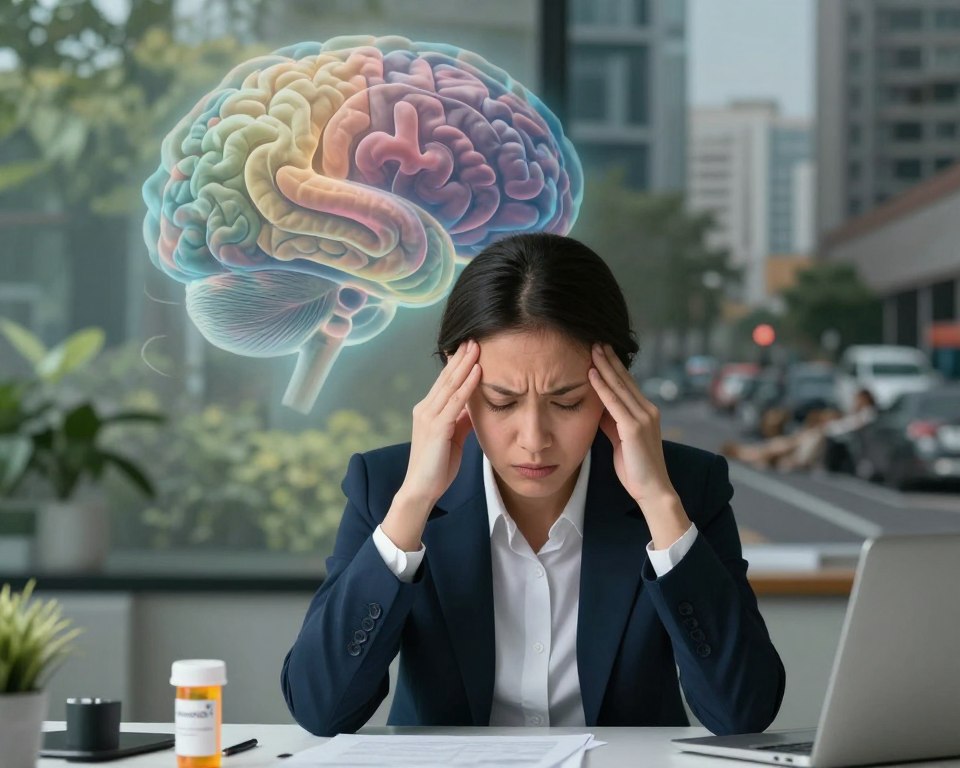
Identifying Triggers During the Course of Treatment
Tracking when symptoms start is key. Patients should write down when they started their meds and noticed mood or heart rate changes. This helps doctors see if symptoms started with the antibiotic.
It’s also important to note other factors like sleep, caffeine, or stress from the infection. By looking at these, patients can give doctors a better understanding. This helps avoid blaming the meds for symptoms caused by other things.
The Importance of Baseline Mental Health Assessment
Reviewing a patient’s medical history is essential. Doctors need to know if anxiety is new or if it’s getting worse. Without this, it’s hard to know how a drug is affecting someone.
People with anxiety history should tell their doctors before starting new treatments. This helps doctors understand if side effects or the condition itself are causing problems. It ensures treatment is safe and effective, focusing on the patient’s overall health.
Patient Experiences and Anecdotal Evidence
While clinical trials are key for drug safety, patient reports offer a personal view. These stories often show details missed by standard tests during a drug’s early stages.
Listening to these stories helps doctors understand how drugs like amoxicillin work differently in people. It’s vital to listen with both empathy and scientific care.
Common Themes in Patient-Reported Anxiety
Many people taking antibiotics feel nervousness or being “on edge” soon after starting. They often feel restless all day, which can mess with sleep and work.
Some say their anxiety feels different from usual, like a physical feeling of unease. This heightened state of alertness is common in online health forums and support groups.
The Value and Limitations of Subjective Reporting
Subjective reports are key in watching for drug side effects. When many people share similar experiences, it makes researchers look into possible links.
But, we must remember the limits of these reports. Things like stress, diet, or other medicines can change how someone feels about a drug.
The table below shows the differences between clinical evidence and patient reports. It helps understand how these sources work together.
| Feature | Clinical Evidence | Anecdotal Reports |
|---|---|---|
| Data Source | Controlled Trials | Patient Observations |
| Reliability | High (Statistical) | Variable (Subjective) |
| Primary Goal | Safety Validation | Personal Experience |
| Context | Standardized | Real-world/Diverse |
In the end, while patient stories are crucial for spotting trends, they shouldn’t replace a doctor’s diagnosis. Combining these experiences with science ensures patients get the best care and feel understood by their doctors.
The Role of Microbiome Disruption in Mood Regulation
The human gut is called the “second brain” because it affects our mood. It has a mix of microorganisms that keep us balanced. When this mix changes, our gut and brain can’t talk well.

Serotonin Synthesis and Gut Health
Most of our serotonin is made in the gut. This is important for feeling good. But, there are no proven amoxicillin benefits for anxiety. Amoxicillin only fights bacteria.
Studies on rodents show amoxicillin can make them act more depressed. It’s thought because it changes the gut’s bacteria. This can mess with chemicals that help us feel better.
Potential Long-Term Effects of Antibiotic Cycles
Using antibiotics too much can harm our gut’s health. Even one treatment can upset the balance. But, taking them too often can make it hard for our gut to get back to normal.
Antibiotics are key for fighting infections, but they don’t help with anxiety. Keeping a healthy lifestyle and helping your gut recover is important. Always talk to a doctor about any worries about how medicine affects your mood.
Clinical Perspectives on CNS Side Effects
When a patient says they feel anxious during antibiotic treatment, doctors face a tough challenge. They need to figure out if the anxiety comes from the infection, an underlying condition, or the medicine itself. They use a systematic approach to make sure the patient is safe.

How Physicians Evaluate Neuropsychiatric Complaints
Doctors start by looking at the patient’s current medicines. This helps them spot any drug-drug interactions that might make the patient more sensitive. They also check the patient’s health history to see if they’ve had anxiety or mood issues before.
Another important thing is checking the patient’s kidney function. The kidneys help get rid of medicines from the body. If the kidneys aren’t working well, the medicines can build up in the blood. Monitoring renal health helps doctors avoid giving too much medicine, which can cause problems like confusion or more anxiety.
The Challenge of Diagnosing Medication-Induced Anxiety
Finding out if a medicine is causing anxiety is hard. Patients are often stressed because of their illness, which can make them feel anxious. Doctors have to be careful to tell if the anxiety is from the illness or the medicine.
Doctors often try different medicines to find the cause. If the anxiety doesn’t go away, they might stop the current medicine or switch to a different one. This evidence-based strategy helps doctors see if the anxiety gets better, which can help figure out if the antibiotic is the problem.
| Assessment Factor | Clinical Focus | Goal of Evaluation |
|---|---|---|
| Medication History | Reviewing current prescriptions | Identify possible interactions |
| Renal Function | Checking how well kidneys work | Stop medicines from building up |
| Baseline Health | Looking at past mental health | Know if symptoms are new or ongoing |
| Infection Status | Watching how the body recovers | See if illness is causing stress |
Managing Anxiety Symptoms During Antibiotic Therapy
When you start antibiotics, it’s important to support your nervous system. The medicine helps clear the infection, but your body might feel stressed. Good health habits can help you stay stable and comfortable.

Lifestyle Adjustments for Nervous System Support
Making small changes in your daily life can help with amoxicillin anxiety relief. Getting enough sleep is key, as lack of sleep can make you feel anxious. Try to sleep for seven to nine hours a night.
Drinking enough water is also important for your mind and mood. Not drinking enough can make you feel stressed or dizzy. Here are some tips:
- Stick to a sleep schedule to keep your body clock in sync.
- Do gentle exercises like walking or stretching to release tension.
- Try deep breathing to calm your nervous system.
- Reduce caffeine and sugar to avoid feeling jittery.
Nutritional Considerations During Recovery
Managing anxiety with amoxicillin also means taking care of your gut. Antibiotics can change your gut’s balance, so supporting your digestive system is key. A healthy gut helps make neurotransmitters that control your mood.
Eating certain foods can help your body during treatment. Choose foods that give you energy without raising your blood sugar too much. Here are some tips:
- Probiotic-rich foods: Yogurt, kefir, and sauerkraut help your gut.
- Fiber-rich intake: Whole grains and veggies are good for your gut.
- Hydration focus: Herbal teas like chamomile or peppermint can soothe you.
- Balanced meals: Make sure you get enough protein and healthy fats to keep your mood stable.
Always talk to your doctor before changing your diet or adding new supplements. They can give you advice based on your health and the infection. By treating your body well, you can feel better and more confident during your recovery.
When to Seek Immediate Medical Attention
If you’re worried about amoxicillin for panic attacks, knowing when to act is key. Some side effects are minor, but others are serious and need quick medical help. It’s important to know the difference to get the right care fast.
Recognizing Severe Adverse Reactions
While rare, severe reactions to antibiotics are serious and need immediate action. If you or someone you know has symptoms that could be life-threatening, call for emergency help. These symptoms can come on fast and need a doctor’s help right away.
Here are some signs that mean you should go to the emergency room:
- Signs of Anaphylaxis: Trouble breathing, swelling in the face or throat, or a sudden drop in blood pressure.
- Neurological Crisis: Seizures, confusion, or acting strangely, like in a dream.
- Severe Skin Reactions: A rash that covers a lot of your skin, blisters, or peeling, which could be a sign of a serious allergy.
“Patient safety is the cornerstone of effective treatment. When in doubt regarding the severity of a reaction, it is always safer to seek a professional assessment than to wait for symptoms to resolve on their own.”
Emergency Protocols for Acute Panic Episodes
It can be hard to tell if a side effect is serious during a panic attack. If you’re taking amoxicillin for panic attacks and can’t control your symptoms, think clearly. If your heart beats too fast or you feel completely out of control, call for emergency help.
If you have a chronic condition, keep a detailed list of your medications. If your symptoms are bad but not an emergency, call your doctor or an urgent care clinic. They can check if the antibiotic is causing the problem or if something else needs attention.
Navigating the Conversation with Your Healthcare Provider
Talking openly with your doctor is key to safe and effective amoxicillin anxiety therapy. If you notice mood or mental state changes, tell your doctor. This helps them figure out if it’s a side effect or something else.
Preparing for Your Medical Consultation
Make a symptom log before your doctor’s visit. Note when you started the medicine, the dose, and when you felt anxious. Consistency is key for tracking these patterns.
Also, list all your current medicines and supplements. If you’re feeling overwhelmed, seek professional help to organize your thoughts. Being ready helps you focus on your health during the visit.
Questions to Ask About Alternative Antibiotic Options
After sharing your observations, ask about changing your treatment. You might wonder if another antibiotic is better for your infection. Knowing the risks and benefits of a change is important for your health.
Use the table below to guide your discussion with your doctor. These questions help you talk about your amoxicillin anxiety therapy effectively.
| Category | Question to Ask | Goal of Inquiry |
|---|---|---|
| Medication Review | Is this symptom a known reaction? | Confirm clinical causality |
| Treatment Plan | Are there alternative antibiotics? | Explore safer options |
| Dosage Adjustment | Can the dosage be modified safely? | Minimize side effects |
| Monitoring | What signs require urgent care? | Ensure patient safety |
Your input is very important in your medical care. By asking smart questions, you help your recovery. This ensures your amoxicillin anxiety therapy meets your health goals.
Medical Review and Professional Standards
We focus on making sure medical info is accurate and easy to understand. This info must be based on solid evidence and clear for everyone.
The Importance of Expert Oversight in Medical Content
Every piece of content on our site goes through a detailed review. It’s written by a Master Pharmacist, checked by another Master Pharmacist, and reviewed by a doctor.
This team effort makes sure our content is up-to-date and based on the latest science. We use clinical pharmacology guidelines to ensure our info is safe and reliable. Expert oversight is key to our goal of giving you trustworthy information.
Disclaimer Regarding Personalized Medical Advice
The info on our site is for general knowledge only. It’s not a replacement for advice from a doctor or a personalized treatment plan.
Always talk to your doctor or a registered pharmacist before making any changes to your medication. Your health is unique, and only a professional can understand your specific needs. Relying on general info instead of personalized care can be risky.
Image Disclosure and Educational Limitations
It’s important to know what images are on this site to stay safe and informed. We make sure to be clear about the pictures we show. This helps our readers understand what they see.
Understanding the Use of AI-Generated Visuals
Some pictures on our site are made by AI or edited digitally. They help explain complex medical ideas better. You can learn more about our image policy on our image disclosure page.
These images are made with care but aren’t real medical images. They help make hard-to-understand topics easier to grasp for everyone.
Educational Purpose Versus Clinical Diagnosis
Remember, all images here are for educational purposes only. They should never replace a doctor’s visit or self-diagnosis. A real diagnosis needs a doctor’s full exam and judgment.
Here’s a table showing the difference between our educational tools and real medical exams:
| Feature | Educational Visuals | Clinical Diagnosis |
|---|---|---|
| Primary Goal | Conceptual understanding | Patient-specific treatment |
| Source | AI or digital illustration | Physical exam and lab tests |
| Reliability | General reference only | High medical accuracy |
| Action Required | Consult a physician | Follow prescribed therapy |
Always talk to a doctor if you’re worried about your health or symptoms. Using pictures for medical decisions can cause misunderstanding of your condition. Our resources are meant to start conversations with your doctor, not replace them.
Conclusion
Dealing with antibiotics needs careful attention and knowledge. Amoxicillin is often used to fight bacterial infections. But, knowing how it might affect your brain is key to staying healthy.
It’s important to know the difference between symptoms from an infection and side effects from medicine. Talking openly with your doctor or pharmacist is essential. This ensures your treatment is both safe and effective. If you notice any changes in mood or nervous system, tell your healthcare team right away.
Making choices based on solid evidence is your best defense against health issues. By learning how medicines work in your body, you take charge of your health. Always seek professional advice to make your treatment fit your specific needs.
Your health is a top priority that needs careful thought and expert guidance. Use what you’ve learned to have better talks with your medical team. Being proactive leads to better health and peace of mind as you recover.
FAQ
Is there a confirmed link between Amoxicillin and Anxiety Attacks?
Yes, there is a confirmed link. Amoxicillin can cause rare but serious side effects on the brain. This happens when the drug affects GABA receptors or disrupts the gut-brain axis, leading to feelings of anxiety or panic.
Can I use amoxicillin anxiety relief strategies if I feel jittery?
If you feel jittery, there are steps you can take. Stay hydrated, cut down on caffeine, and consider probiotics for your gut. But remember, amoxicillin itself does not treat anxiety. It’s only for fighting bacterial infections.
Is there such a thing as amoxicillin treatment for anxiety attacks?
No, amoxicillin is not used to treat anxiety attacks. It’s an antibiotic designed to kill bacteria. For some, it might even cause temporary anxiety.
Are there any amoxicillin benefits for anxiety?
No, amoxicillin does not help with anxiety. It’s only for treating infections. Any mood improvement is likely due to the infection being cleared, not the drug itself.
Is it common to be prescribed an amoxicillin anxiety medication?
You will never be prescribed amoxicillin for anxiety. If you see it mentioned, it’s about studying how the antibiotic might cause anxiety as a side effect, not as a treatment for mental health.
Can I take amoxicillin for stress and anxiety?
No, you should not take amoxicillin for stress or anxiety. Using antibiotics for non-bacterial issues can lead to antibiotic resistance and worsen your anxiety.
Can taking amoxicillin for panic attacks work if the attacks are caused by an infection?
If an infection is causing panic, treating it with amoxicillin might help. But it’s the infection being treated, not the drug, that stops the panic. In some cases, the drug can trigger a panic attack in sensitive patients.
What should I know about amoxicillin anxiety therapy?
“Amoxicillin anxiety therapy” is a misnomer. It usually means managing anxiety caused by the antibiotic. This might involve switching medications or using probiotics to support the gut-brain axis.